Dieser Artikel ist auch in deutscher Sprache verfügbar: Zum deutschen Artikel.
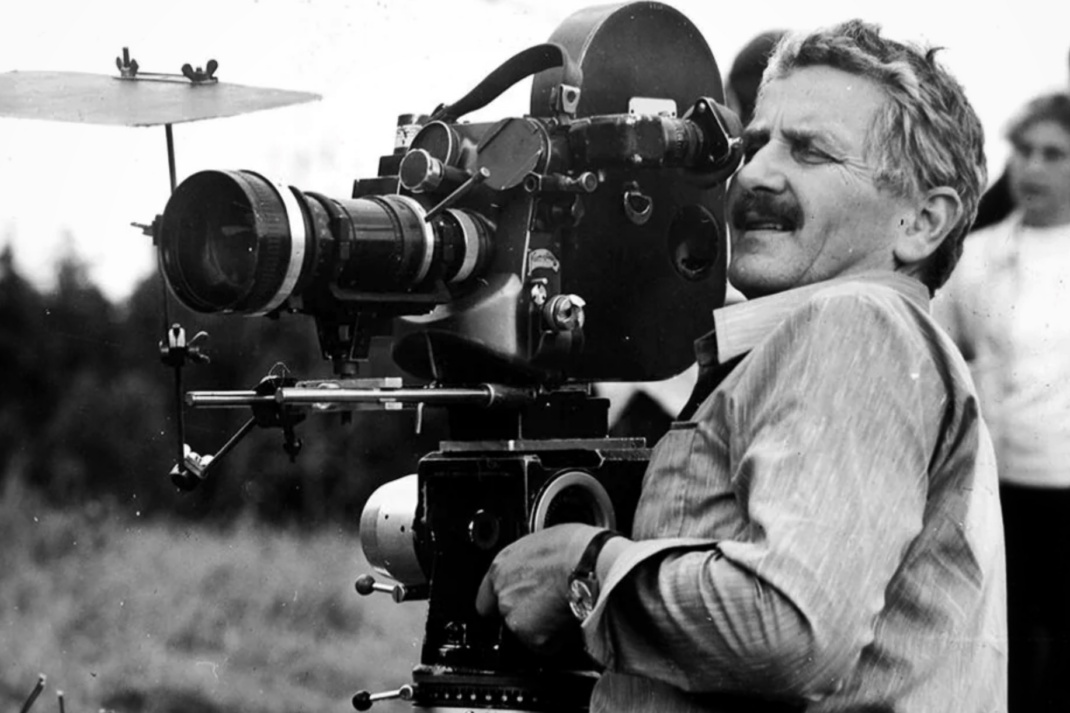
He discovered stars such as Anja Kling (‘Adlon’, ‘Schule am Meer’) and Sven Martinek (‘Dr Mertens’, ‘Traumschiff’). He enchanted generations with his film adaptation of the adventurous story of a little boy on the Baltic Sea island of Hiddensee. Director Herrmann Zschoche has now died at the age of 91 at his home in the Mark Brandenburg.
A legacy of mussels and state power
Lütt Matten, the son of a fisherman, lives in a village on the Baltic Sea and dreams of one day becoming a successful fisherman himself. He builds his own fish trap, but to his disappointment, not a single fish is caught in it. When he hears of a mysterious shell that can grant wishes, he finds new hope. Herrmann Zschoche adapted the story, written by Benno Pludra, for the screen in 1964. And with this film – which has remained popular across generations to this day – Zschoche’s dream of creating films that move people came true.
His film ‘Karla’, based on a story by Plenzdorf, was summarily banned in 1966 by the hardliners of the SED. A film starring Manfred Krug (‘Feuer unter Deck’) disappeared for a time because the lead actor did not stay below deck, but went on to live on the other side of the Wall.
Pigments as pop stars
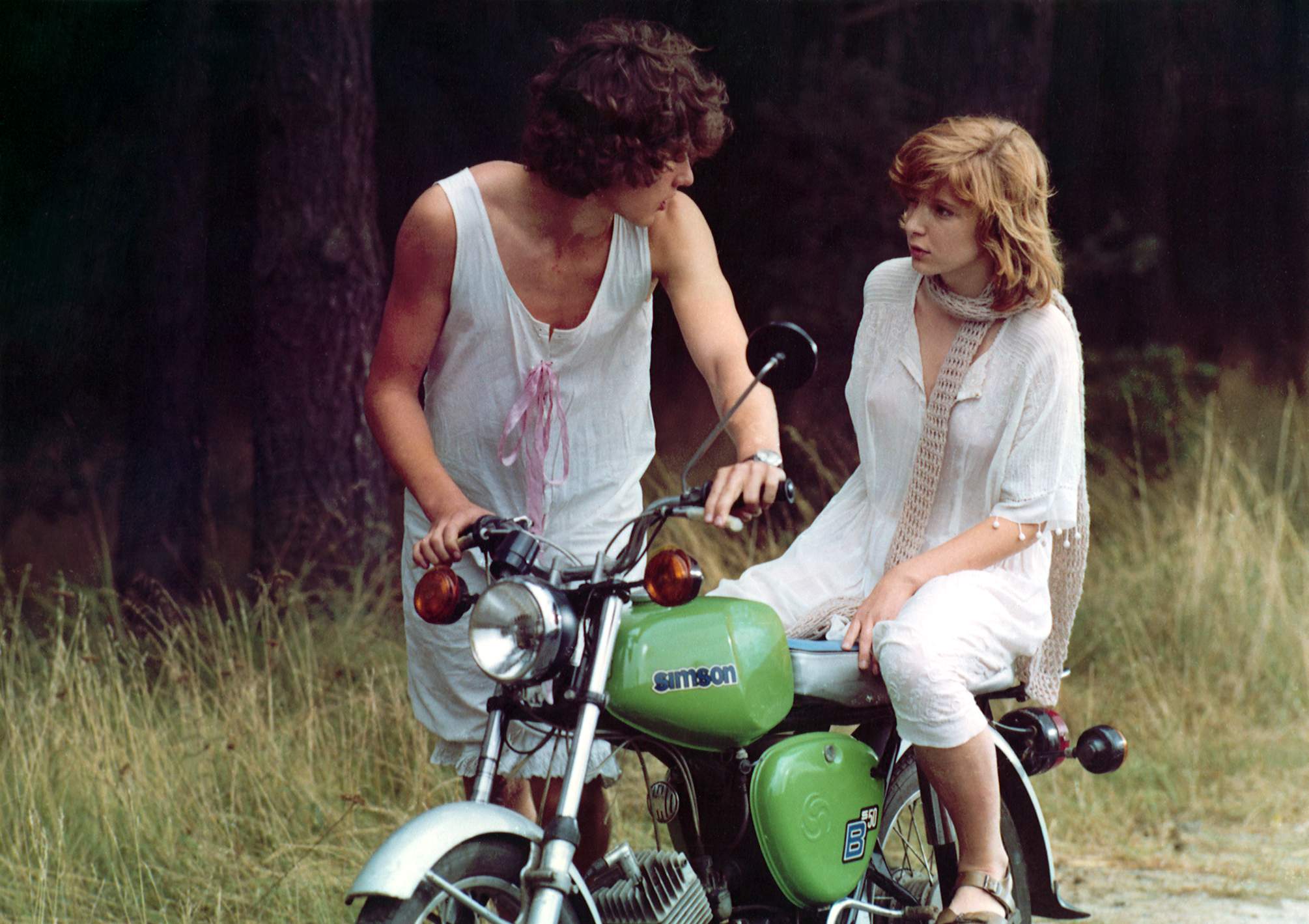
The reprimanded director eventually achieved his breakthrough after all: with the film “Sieben Sommersprossen”. He received the GDR Film Critics’ Award and the National Film Prize for the work. With 1.2 million viewers within a year, the film was a box-office hit. Produced with amateur actors, the film is still a topic of conversation around campfires when people reminisce about their East German holidays. Zschoche was a contemporary witness and chronicler, a visual artist and a fighter in equal measure.
Another adaptation of a Pludra novel, *Insel der Schwäne* (*Island of Swans*), had to go through several rounds of censorship hearings. At the end of all the negotiations, we see Sven Martinek – who later became a favourite in the TV series *In aller Freundschaft* – as a teenager who has his irreplaceable bomber jacket – bought elsewhere and featuring a dragon print – torn to shreds in the prefabricated housing estate by an unhappy country lad who has just arrived in town.
Rare Voices
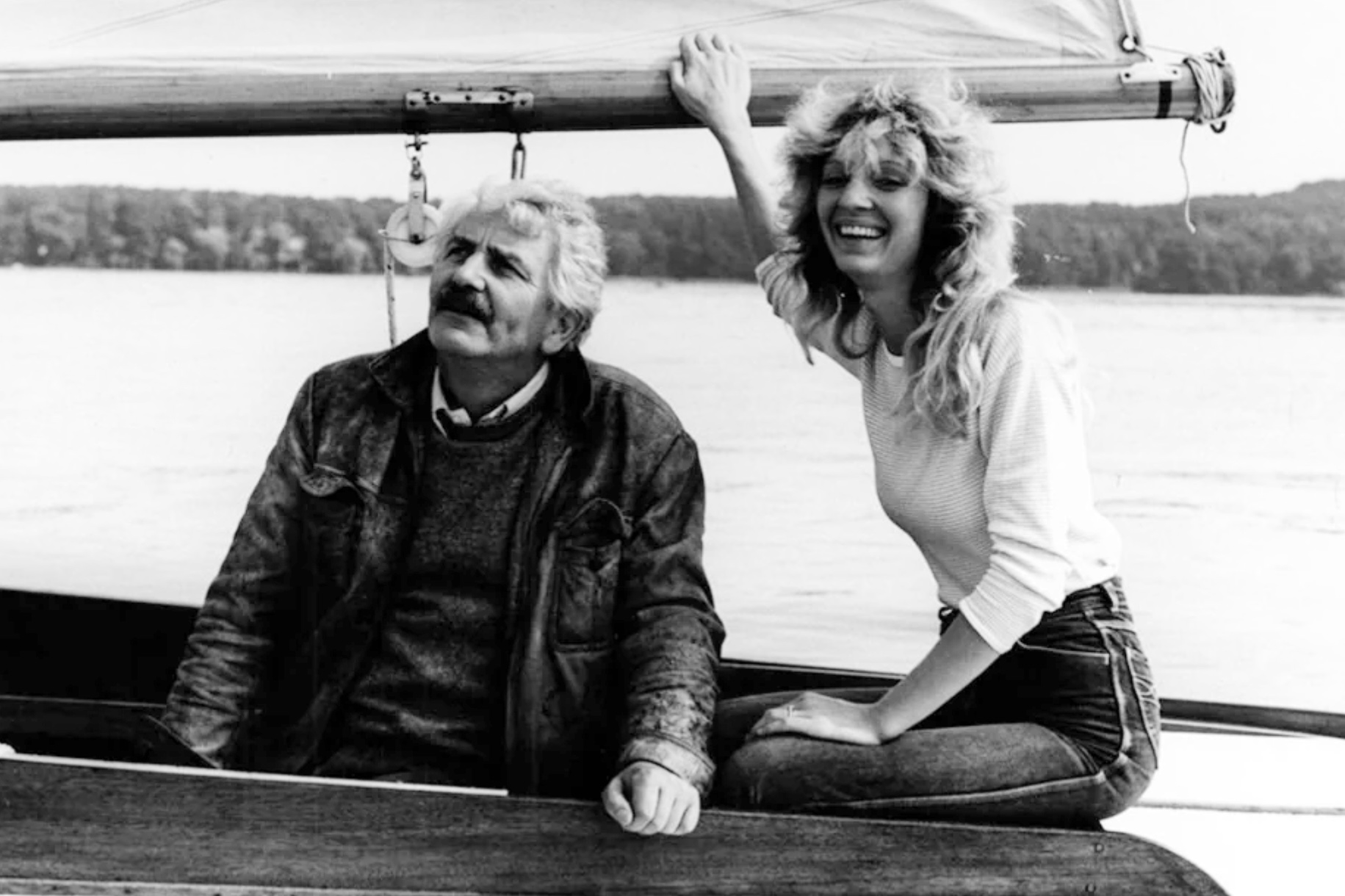
In 1987, Zschoche produced another exceptional work. With MONA LISE, the GDR saw its first all-female band. What today we would dismiss with a wink as a matter of course was a sensation at the time. In the film *Die Alleinseglerin* (*The Solo Sailor*), we see Tina Powileit, the band’s drummer, as a single mother grappling with her father’s heirloom. Failed relationships loom over her. The happy ending is fragile – a mixture of defeat and triumph. Unheard of and kept secret, until now.
‘Hälfte des Lebens’ not only sensitively brings the life of the destitute Hölderlin to the big screen, but also serves as a springboard for Ulrich Mühe into the world of cross-border German cinema (‘Schtonk’).
With “Grüne Hochzeit”, Herrmann Zschoche not only made the beautiful Anja Kling famous shortly before the fall of the Wall, but also reflected the socialist reality of life, which certainly did not correspond to what was taught in citizenship lessons.
‘Alleinseglerin’ perhaps brought Zschoche closest back to his Lütt Matten character. After the fall of the Wall, Zschoche worked on a few TV productions but could no longer find a place in the cinema industry.
Zschoche’s time
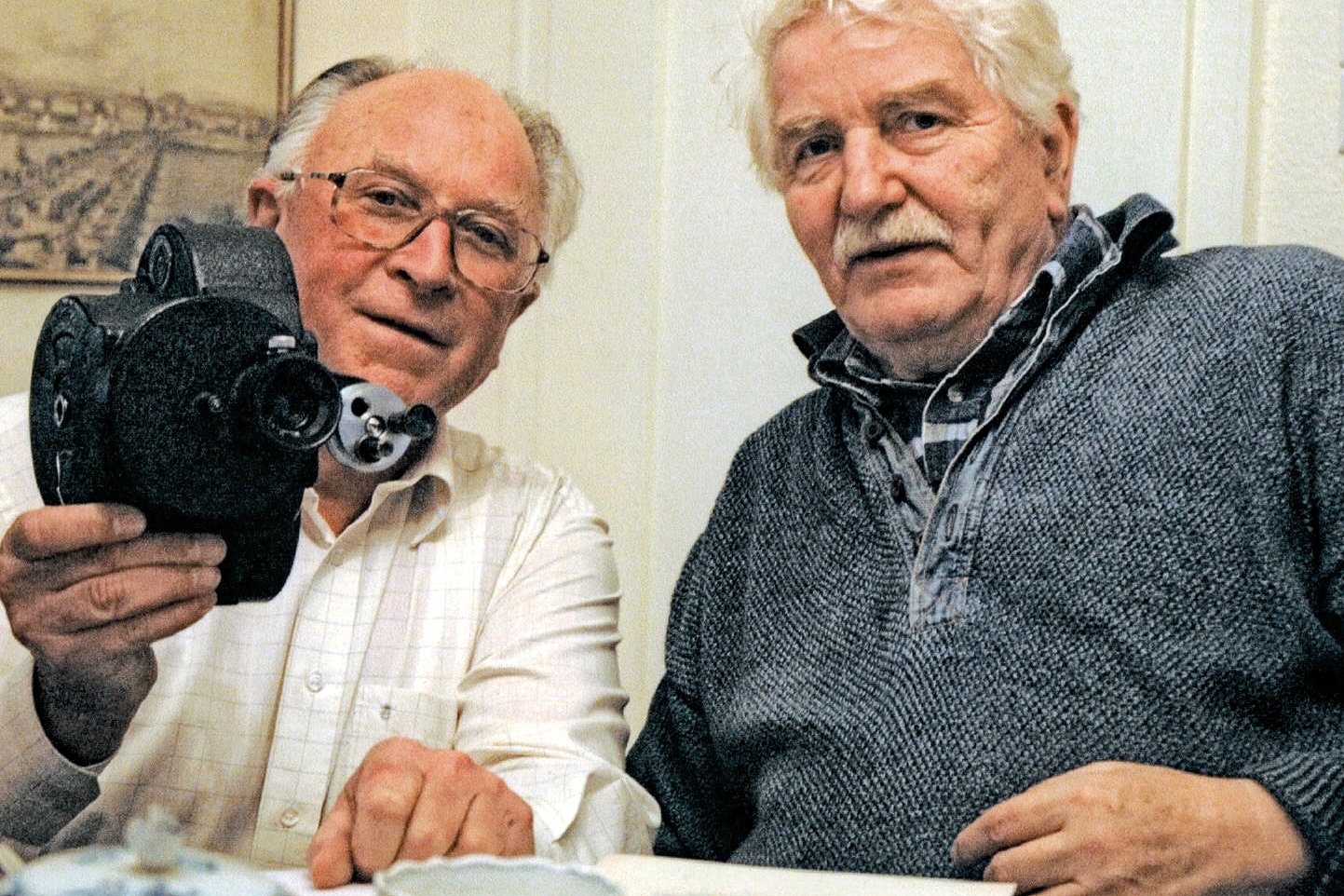
In LZ, Konrad Hirsch recalls his encounters with his father, the filmmaker Ernst Hirsch, and the ‘shell magician’ Zschoche:
“My father often spoke of his early days with Herrmann Zschoche, how they shot their first films in 1953 in war-torn Dresden with a borrowed camera, brimming with ideas and enthusiasm. Whenever we were travelling in southern Germany or Italy, my father would regularly say: ‘I used to go camping here with Herrmann.’ The two of them had ridden across the Alps on an old Zündapp in 1956. Their shared passion for filmmaking blossomed into a lifelong friendship.”
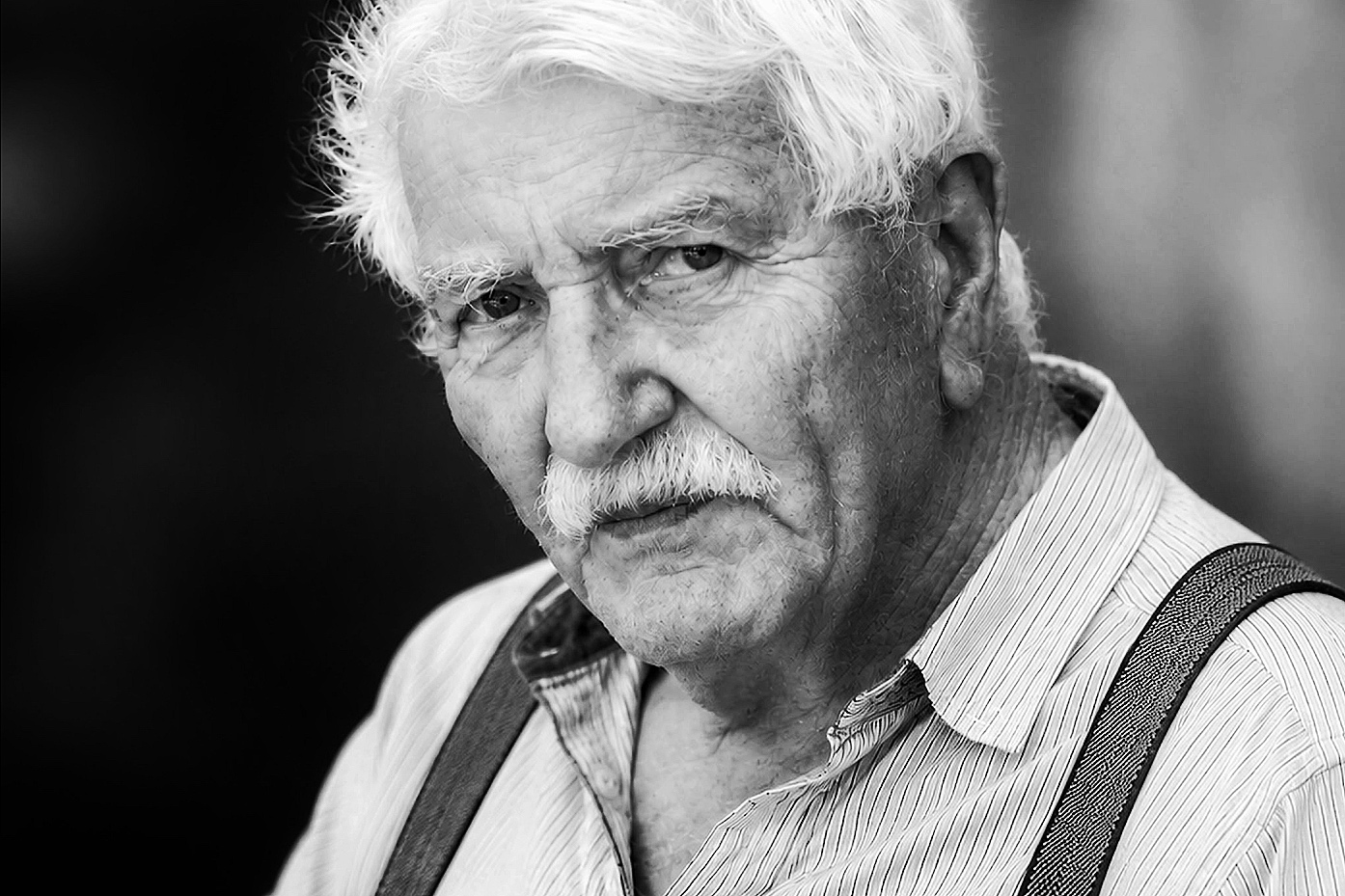
Herrmann Zschoche died shortly before his 92nd birthday.
So können Sie die Berichterstattung der Leipziger Zeitung unterstützen:





There is one comment