
How do lifestyle-related diseases develop during childhood and adolescence, or throughout adulthood? What influence do genetic or other biological factors, as well as environmental and social factors, have on physical and mental health? Scientists at the University of Leipzig have been conducting research into this in the long-term cohorts LIFE Child and LIFE Adult for 15 years now, with considerable success.
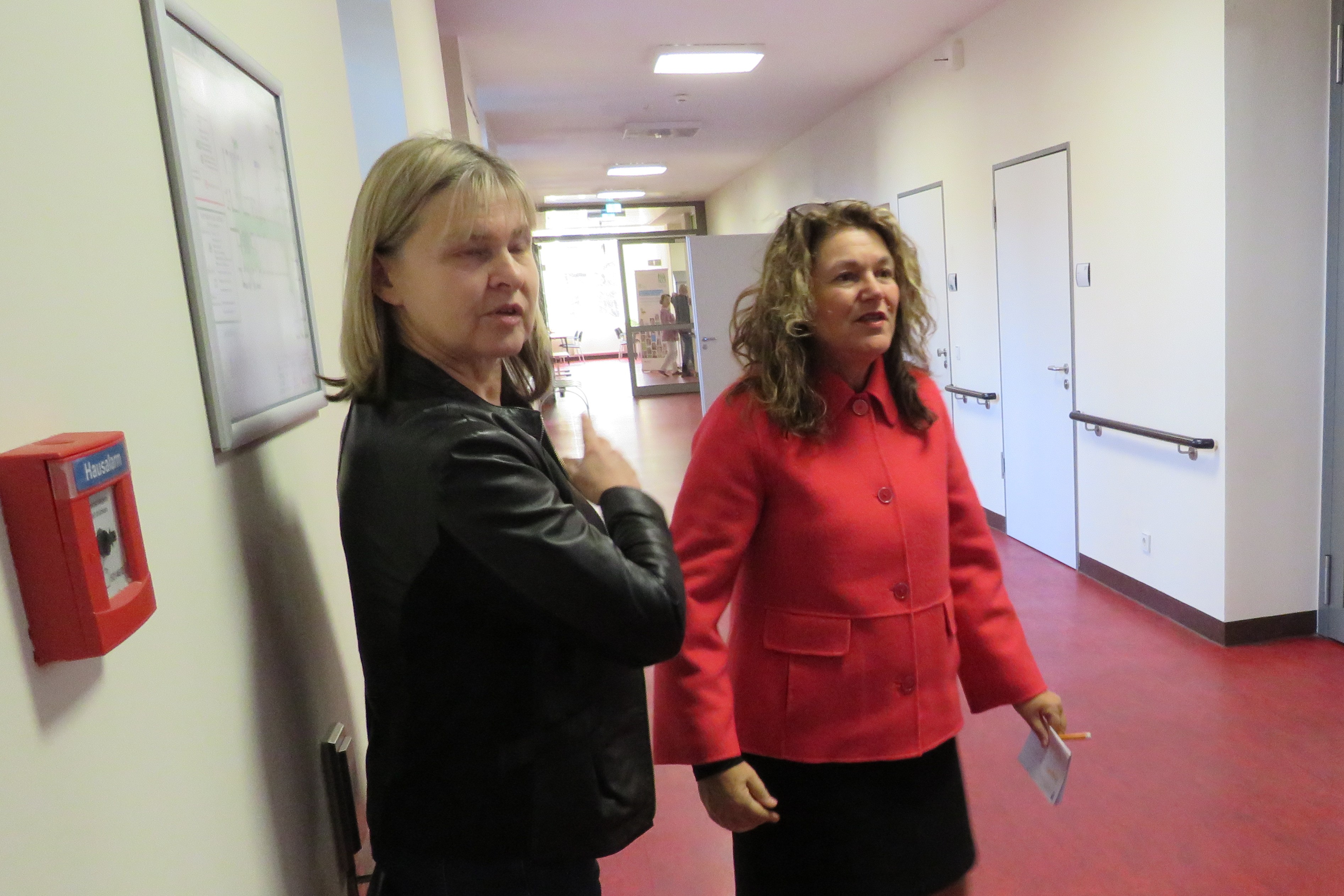
On 25 October, we were also invited to a press tour of the two
study clinics and had the opportunity to hold discussions. The
article is somewhat detailed, and there are two further, perhaps
important, comments at the end. 
LIFE Adult
The long-term, population-based cohort study LIFE Adult focuses on common diseases. It investigates the influence of lifestyle and environmental factors on their development; the findings on risk factors are intended to help identify new possibilities for early detection. To this end, a comprehensive programme of examinations and questionnaires has been in place since 2011 for 10,000 randomly selected residents of Leipzig aged between 18 and 79. You can find out more about the LIFE Adult baseline examination here.
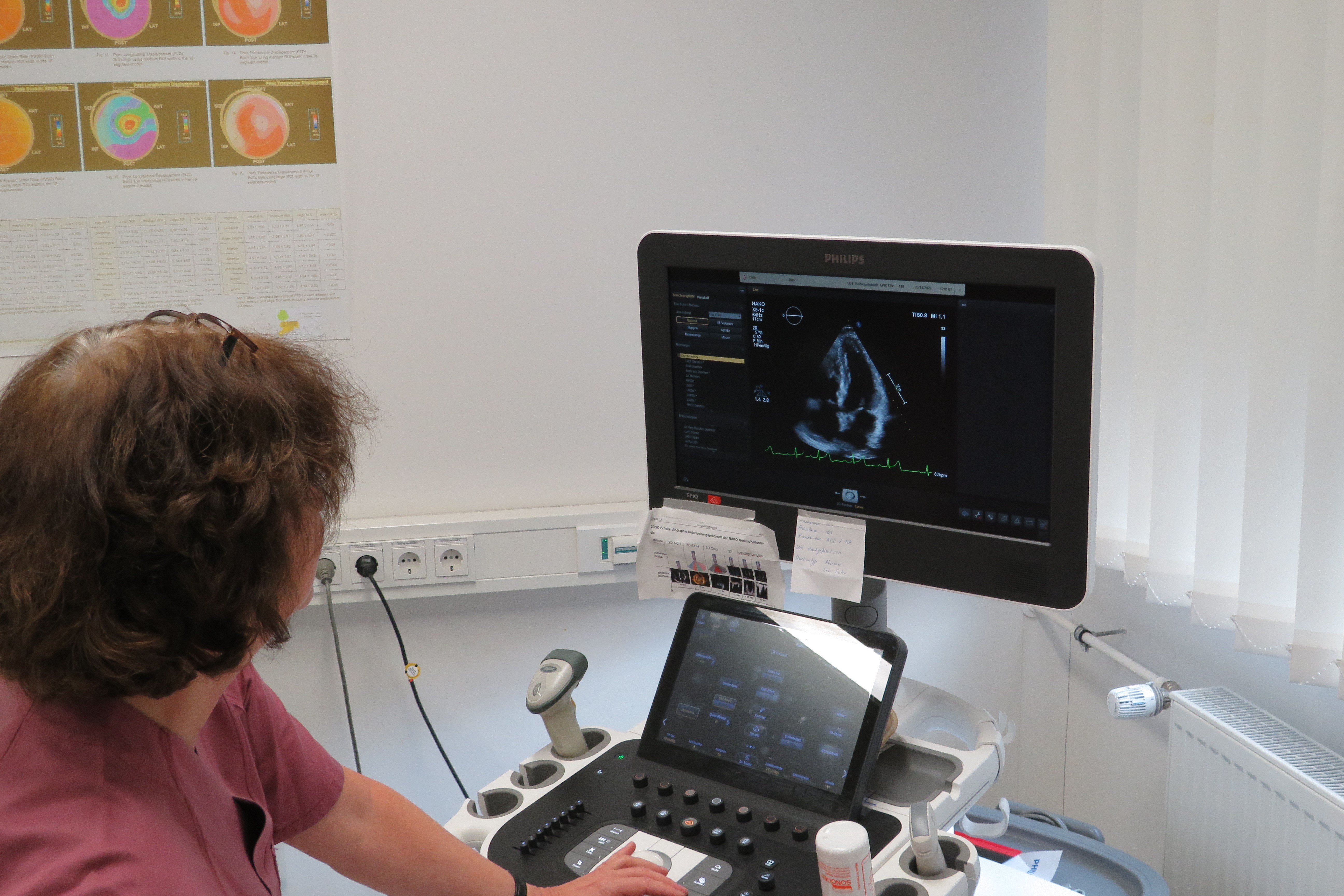
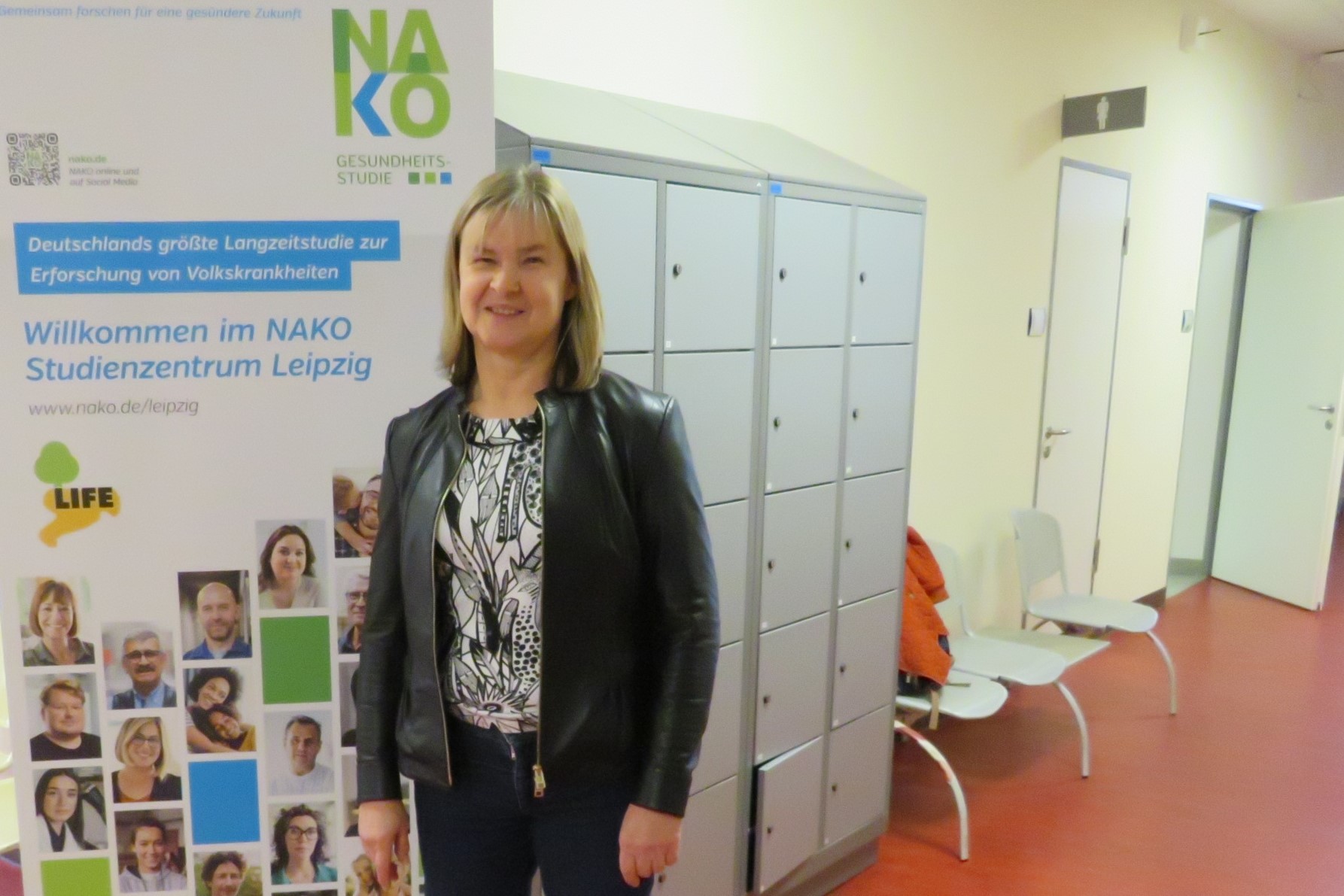
We were given a guided tour of the study clinic and had the opportunity to view the facilities and observe two examinations: a heart ultrasound and a lung function test. Prof. Dr Steffi Riedel-Heller, co-spokesperson for the LIFE Adult Scientific Board, and the head of the study clinic, PD Dr Kerstin Wirkner, answered our questions afterwards.
Interview with Prof. Dr Steffi Riedel-Heller
Professor Riedel-Heller, at LIFE Adult, if I understand correctly, you are researching lifestyle-related diseases in adults and the influence of all life circumstances – that is, the environment, diet and other factors?
That’s correct; we initially examined and monitored 10,000 residents of Leipzig. That is the essence of this cohort study: we want to understand how illness and health develop, and what the risk and protective factors are. Another distinctive feature is that we take a very broad view, covering physical health, mental health, social health and living conditions. We are interested in this because it also allows us to see what keeps us healthy.
Are there also gender-specific analyses, i.e. looking at differences between men and women?
There is a great deal of research; we have published 1,255 scientific papers to date, many more are in the pipeline, and some of these also focus on gender-specific differences. For example, our genes also influence how we smell the world. New genetic variants have been discovered, and we have identified differences between men and women in this regard. This is interesting because, naturally, we are investigating this further. Smell – or rather, a change in the sense of smell – can also be a predictor of neurodegenerative diseases. There are many gender-specific aspects, for example, in relation to being overweight, obesity and fat distribution. We know, of course, that after the menopause, when oestrogen levels plummet, women are at particular risk of developing abdominal fat.
15 Years Live – how long have individual study participants been taking part?
In fact, it’s been15 years already. We are, of course, planning a follow-up, because a cohort study is never truly complete. A cohort study is a research infrastructure of great value, which ultimately increases with every year and every follow-up examination.
Professor Riedel-Heller, thank you for the interview.
Interview with PD Dr Kerstin Wirkner
Dr Wirkner, you are the head of the LIFE Adult study clinic. What kinds of examinations do you carry out here?
We have several large-scale studies underway here, including the LIFE Adult Cohort, which is our oldest cohort. We started in the summer of 2011 and, by the end of 2014, had examined 10,000 study participants as part of the baseline examination. We then re-examined them after five years, and since then we have been conducting regular follow-up surveys and paper-based follow-ups.
LIFE has also enabled us to help set up another cohort study. This is the NAKO Health Study, which is established throughout Germany, and we have a third major study as well: the LIFE Long Covid Study. Here, too, we have already been able to carry out two follow-up examinations on the study participants, and this is always conducted in stages. We carry out the follow-up examinations in the respective studies over a period of several years.
We’ve seen the lung function test and the cardiac ultrasound – what else is being investigated?
For example, the carotid ultrasound – this is an examination of the carotid arteries, a simple test that provides information on the condition of the blood vessels. If there is calcification there, it is usually the case that other blood vessels also have calcification and disease. We also carry out very comprehensive eye examinations. We have one of the first machines here in Leipzig capable of performing optical coherence tomography. This is a kind of MRI scan of the retina, which allows changes to be detected much earlier. The eye examination is particularly interesting because it has enabled us to establish, for the first time, that you do not have to be elderly to have changes in the eye and the retina. People as young as 40 were already showing early changes, and normally people do not visit an ophthalmologist at that age. You can still see well, but you already have changes that aren’t yet having an effect.
Do you then link these examinations to the participants’ living circumstances?
In addition to the physical examination programme, we also have a very comprehensive questionnaire programme, comprising 40 to 50 questionnaires on all sorts of topics. These cover mental wellbeing – such as sleep, for example – as well as physical activity, diet, tobacco use, alcohol, and all aspects of lifestyle choices. We also ask socio-demographic questions regarding income, marital status and the number of children. There are many gender-specific differences being researched here, and medical care plays a major role. We also use environmental data; environmental – that is, noise – mapping is available in the Free State of Saxony, and this is also incorporated into the study data.
Would it be fair to say that studies become increasingly valuable the longer they run with the same participants?
That is correct; a cohort study in the epidemiological sense is one that should run until the end of the participants’ lives. We carry out regular mortality follow-ups. This means we consult the register of residents to record which of our participants have already passed away. At present, we have already recorded just under 1,000 deaths in the LIFE adult study. Our study participants were already relatively old at the start of the study. Our research focused on the age group between 40 and 79. This means that we already have many participants who are well over 90 years old.
Dr Wirkner, thank you very much, and I wish you continued success in your work.
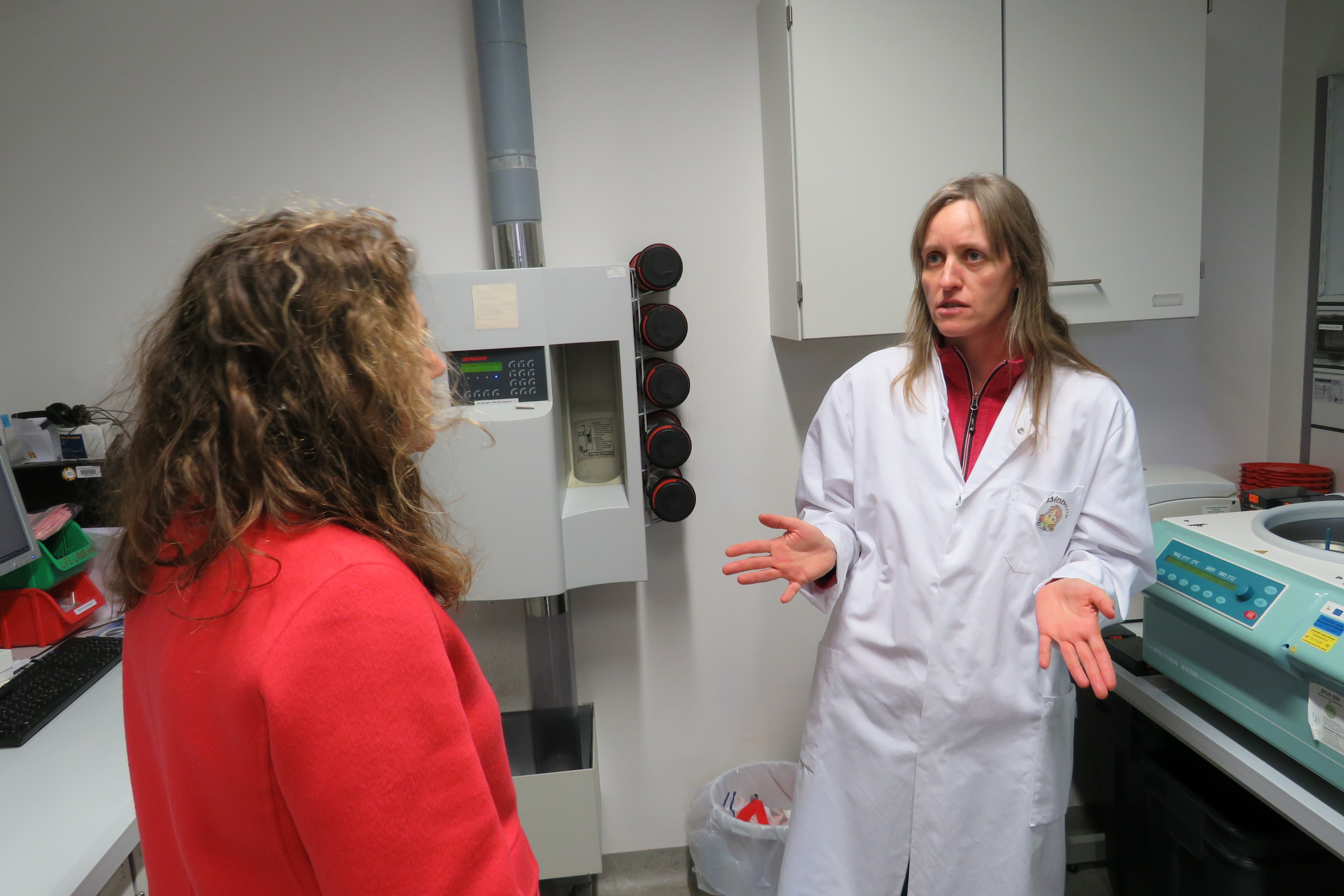
We then moved on to the LIFE laboratory, where the study participants’ samples are not only examined and analysed, but also stored at –80 °C. Even the transport of the samples is carried out using a separate lift to prevent any mix-ups or contamination. Some of the samples are then frozen and re-examined when new analytical methods become available. You can imagine it a bit like in most crime films or real-life cases, where new analytical methods eventually reveal clues leading to the perpetrator. This allows the findings from the initial investigation to be supplemented, thereby improving the body of research. Dr Juliane Weikert showed us round the laboratory and explained everything very clearly.
LIFE Child
At the LIFE Child study clinic, we were welcomed by Prof. Antje Körner. Around 2,500 participants, ranging from newborns to 21-year-olds, visit each year; to date, over 6,000 have taken part over the past 15 years, and around 1,000 pregnant women have also attended the study clinic. The collection of health data can begin as early as during pregnancy; as the children get older, the examinations become more extensive and are supplemented by questionnaires. The children’s visits also become longer; for toddlers, they start at 1 to 2 hours, whilst from around the age of 10, the children spend the whole day at the clinic on the day of their examination. There is a wide variety of rooms available for examinations, including sports halls. The staff place great importance on ensuring that the children and young people feel comfortable and are happy to take part.
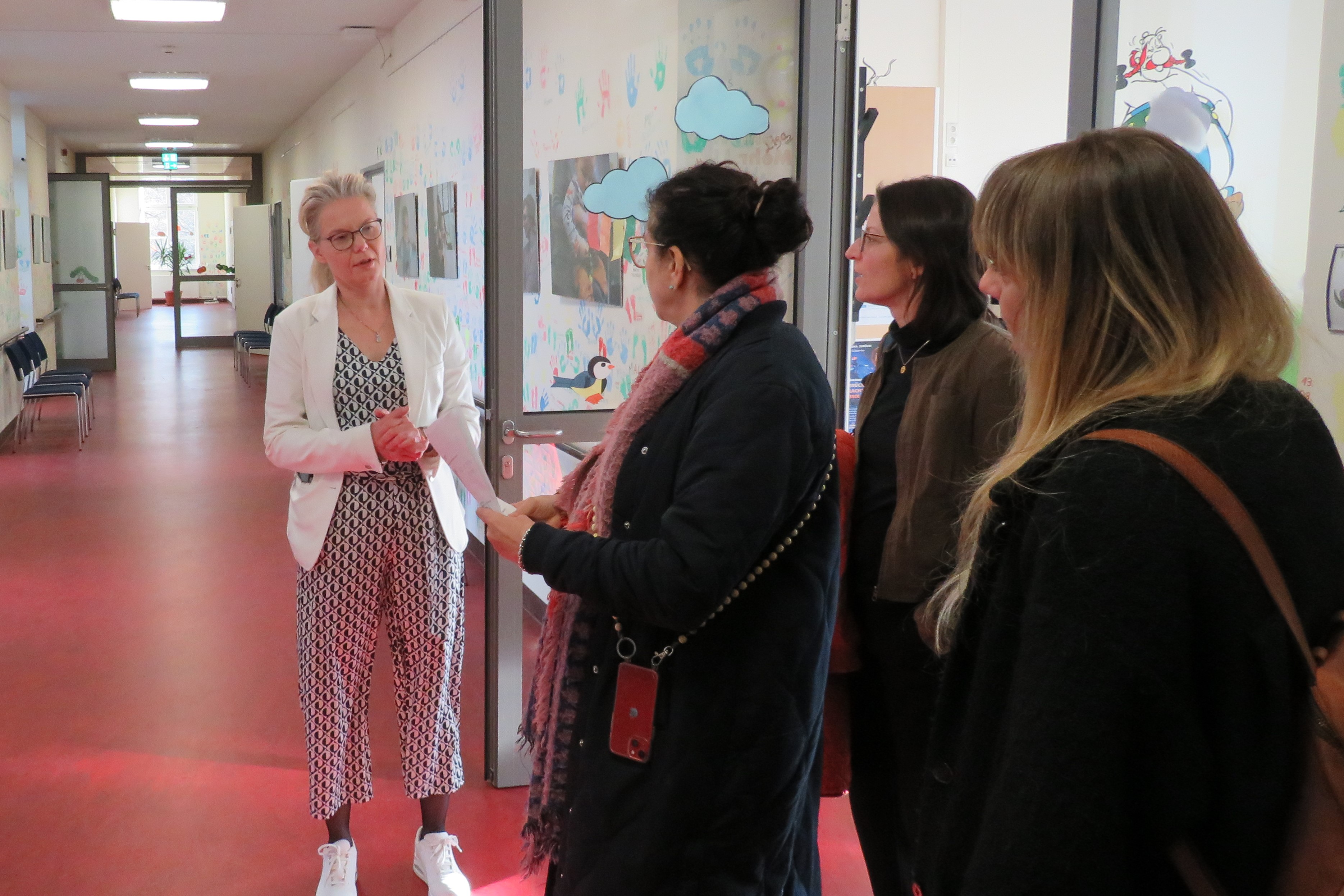
Prof. Antje Körner welcomes the press at LIFE Child. Photo: Thomas Köhler
After the tour, we spoke to the head of the study clinic, Nico Grafe, and his deputy, Sandra Ibe.
Mr Grafe, put simply, LIFE Child is about the development of
certain health factors – which do not necessarily have to be
illnesses – in relation to age-related development, social factors,
environmental influences and other factors. What exactly is tested
there?
We carry out very comprehensive examinations, starting with an eye
test, where we perform three different tests; we carry out a dental
examination; we also conduct fitness tests; and blood and urine
samples are taken. We have a very wide-ranging programme of
examinations. Of course, blood pressure, height, weight and much
more are also recorded.
Ms Ibe, LIFE Child has been running for 15 years; it’s safe
to assume that the first children have now outgrown the study. What
can you say about the initial study results?
All the results and the related publications are available on our
website. Our experience has shown that an incredible number of
factors influence children’s development, be it diet, media
consumption or, of course, social status. We can see this reflected
in almost all our publications.
Ms Ibe, does the LIFE Child study, like the Adult study, also
reveal any findings regarding gender-specific
differences?
I would say there is no single area where one can make that claim.
There are certainly clear differences in the biological samples –
that is, the laboratory results – depending on whether the children
are girls or boys, particularly during puberty.
Ms Ide, Mr Grafe, thank you for the interview.
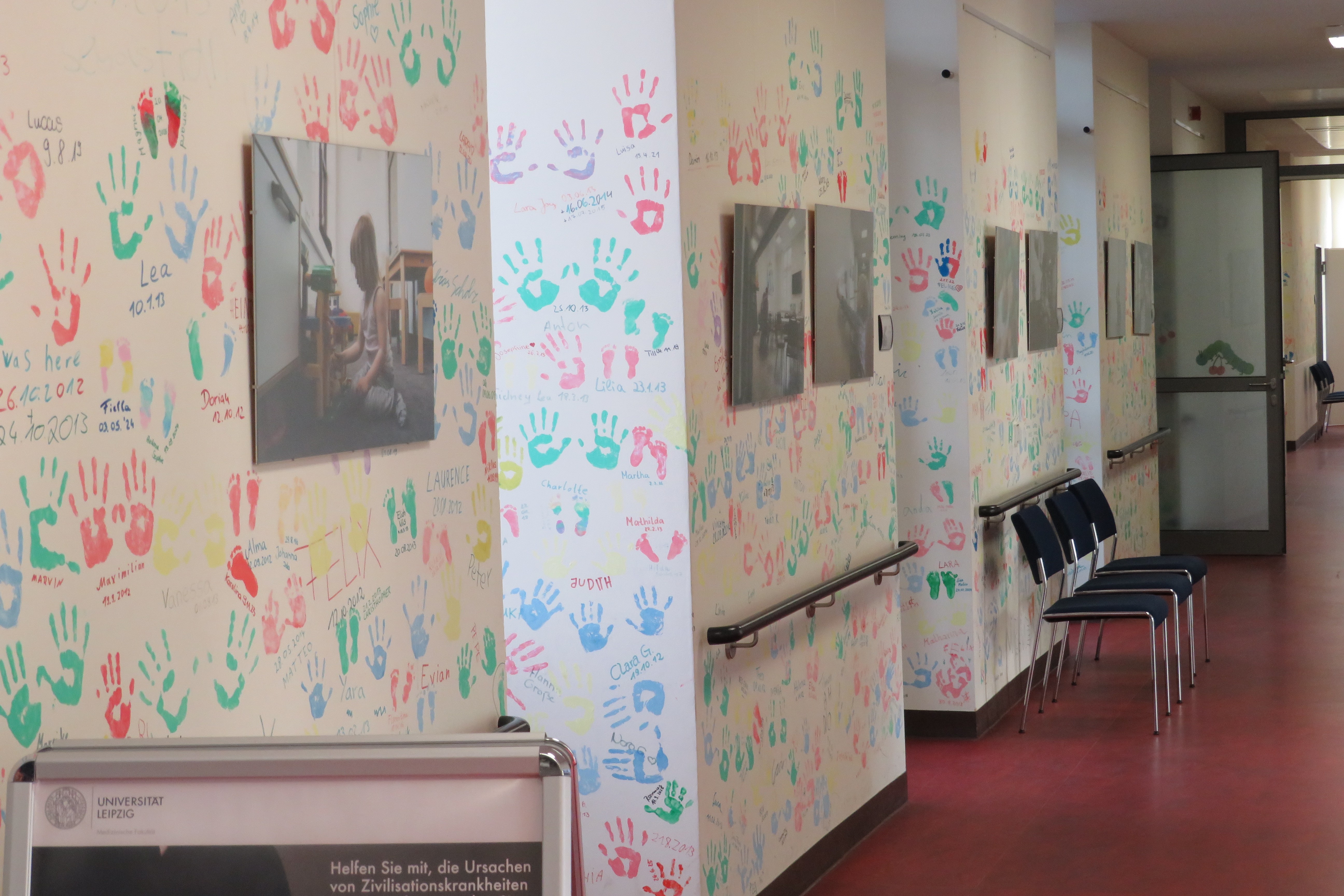
The LIFE Child study clinic is a colourful and welcoming place. Photo: Thomas Köhler
Two final remarks
We also held a number of ‘off-the-record’ discussions. During these, we learnt that the children taking part in the LIFE Child study predominantly come from better-off families. Those from financially disadvantaged and less educated backgrounds are under-represented. As for the impact this has on the studies, we can only speculate.
Another point that interested us was whether the 21-year-olds leaving LIFE Child can join the LIFE Adult programme. “It would be a dream come true,” we were told, if only there were funds to expand the studies. Perhaps in 45 years’ time, the study results concerning 60-year-olds – whose health development has been monitored and analysed since birth – might prove important for the society of the future; who knows?
In any case, the study results from LIFE Child and LIFE Adult are important for us all, so “Good luck for the next 15 years!”
Disclaimer: The author is not a medical professional; should any inaccuracies have occurred regarding the medical terms and contexts in this article, this is due to that fact.
Empfohlen auf LZ


So können Sie die Berichterstattung der Leipziger Zeitung unterstützen:





There is one comment