Dieser Artikel ist auch in deutscher Sprache verfügbar: Zum deutschen Artikel.
Today’s focus is on the issue of jurisdiction. On the third day of the trial concerning the horrific rampage in May, victims of the brutal attack are giving evidence for the first time today. At the Federal Administrative Court, the focus is on wind turbines, with a ruling that could have far-reaching implications. The Federal Archives are presenting research findings on arbitrary justice in the GDR. And urban planning proposals for Leipzig are likely to be judged as early as the forthcoming mayoral election.
Victims’ testimonies in the rampage trial
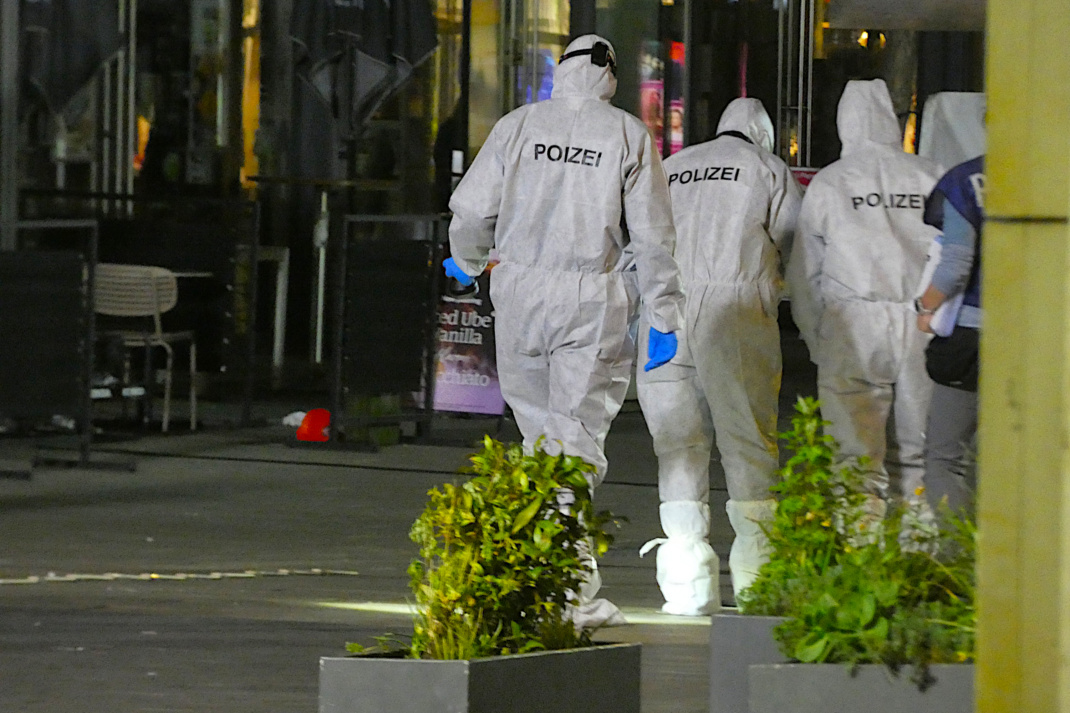
In the ongoing criminal trial concerning the deadly rampage in Leipzig city centre, victims directly affected by the incident are due to give evidence as witnesses in court for the first time today. The hearing begins at 9 am at the Leipzig Regional Court
(Harkortstraße 9). This is the third hearing in the case against a 33-year-old man from Leipzig, a German national, at the time of the offence. The prosecution accuses him of two counts of murder, 85 counts of attempted murder, 91 counts of causing serious danger to road traffic, and eight counts of causing grievous bodily harm.
In the prosecution’s view, the offences constitute a single continuous offence. As aggravating factors in the murder charges, the prosecution cites malice aforethought, base motives and the use of a means dangerous to the public. During the rampage on 4 May 2026 on Grimmaische Straße, a 63-year-old woman and a 77-year-old man were killed. Eight other people were injured. The police arrested the suspect at the scene (as reported by the LZ
).
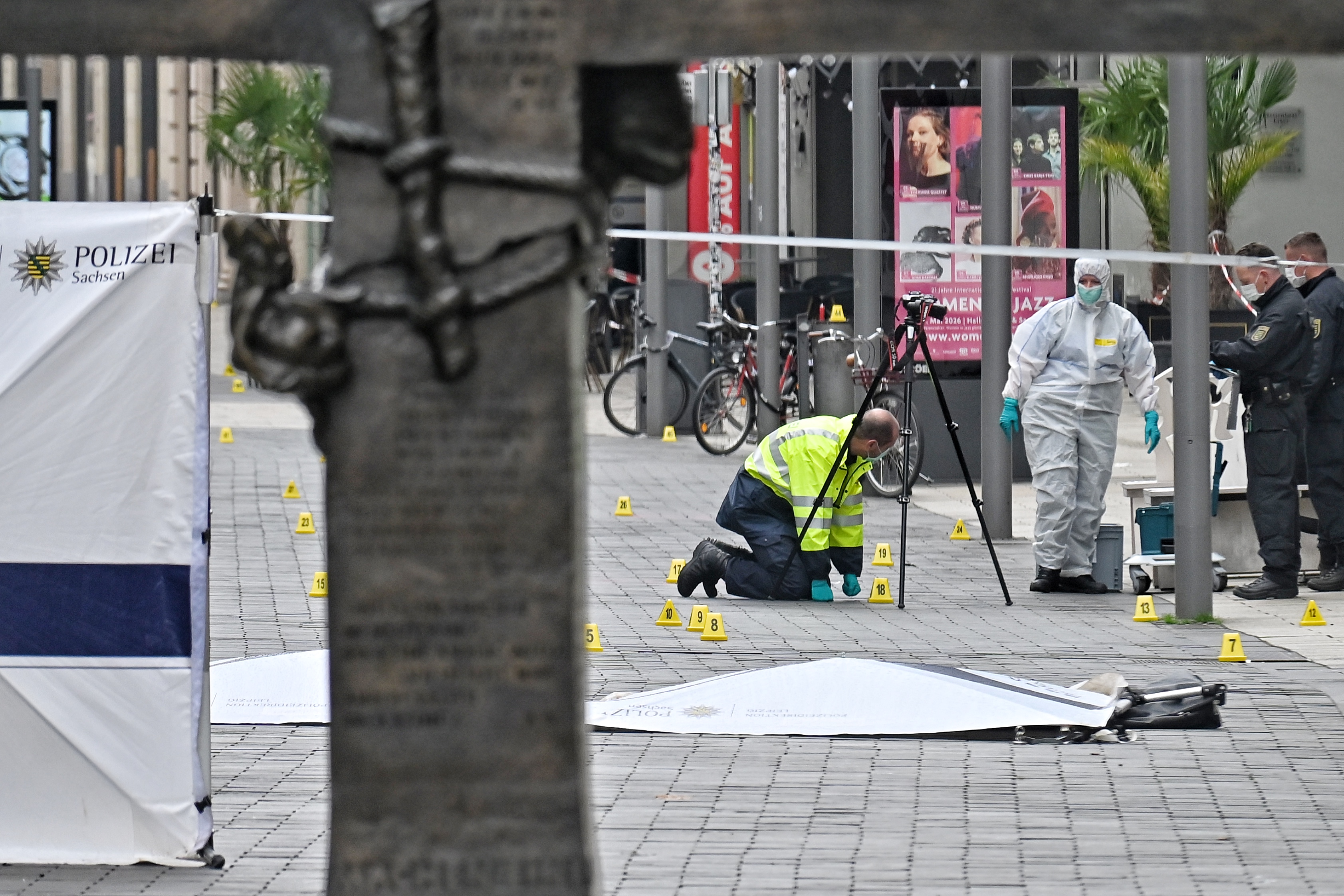
Officers from the LKA’s crime scene investigation team on Grimmaische Straße. © Benjamin Weinkauf
On 5 May, an investigating judge ordered the suspect’s provisional placement in a psychiatric facility. At the time of the detention order, according to the Public Prosecutor’s Office,
there were strong indications of a potentially significantly diminished capacity to culpability. This assessment changed in the course of the investigation. As the Leipzig Public Prosecutor’s Office stated when announcing the indictment on 28 August, a preliminary forensic psychiatric report revealed no evidence of lack of criminal responsibility or diminished criminal responsibility within the meaning of Sections 20 and 21 of the Criminal Code. It subsequently applied for remand in custody.
The next court hearing is scheduled for 17 December at 9 am. Further hearings are scheduled for 4, 7, 11 and 26 December, as well as 1, 22 and 24 February. The last hearing date scheduled so far is 7 July 2027. Our reporter Lucas Böhme
is covering the trial.
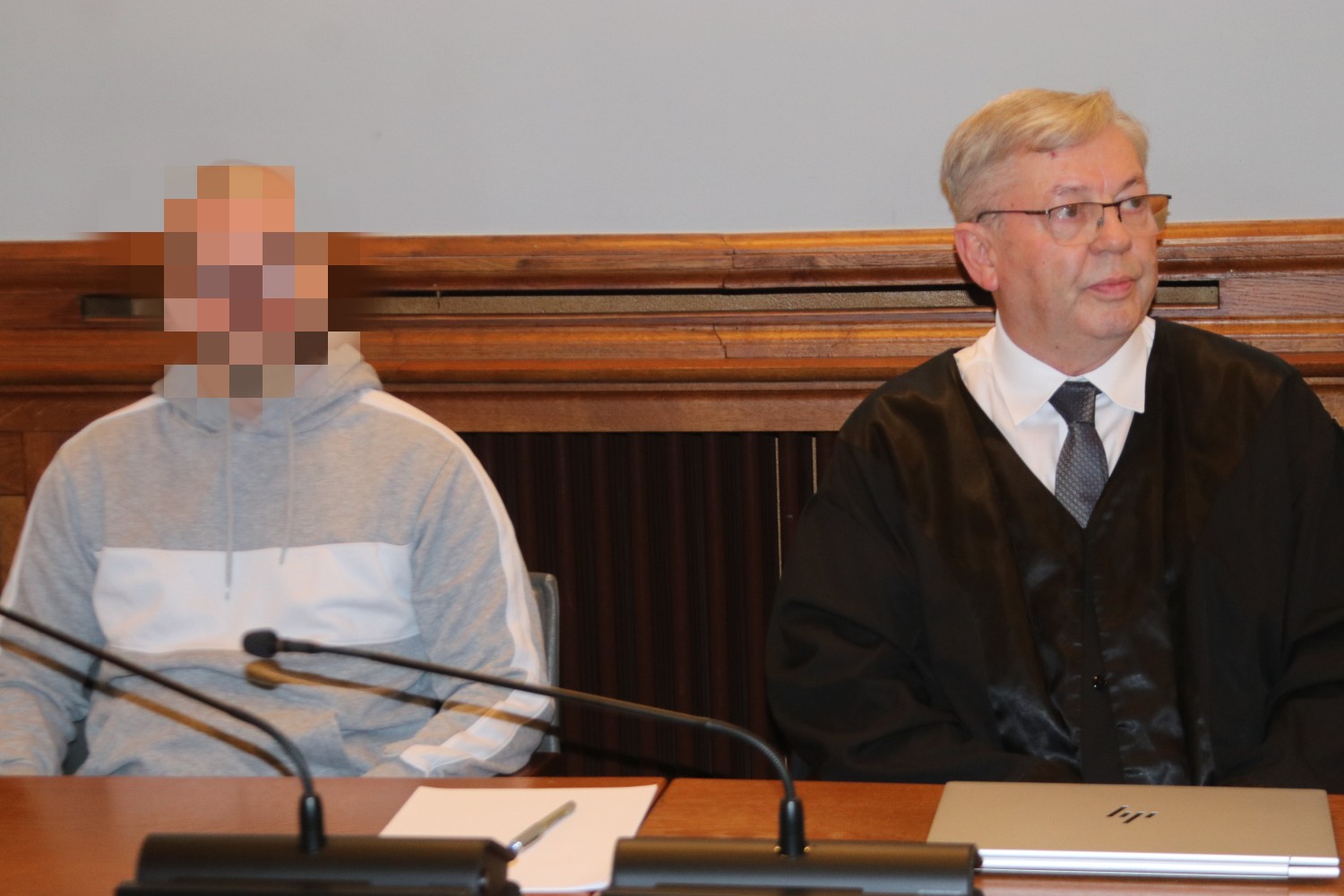
The defendant Jeffrey K. (left) with his solicitor Dr Malte Heise. © Lucas Böhme
Soundtracks of tyranny
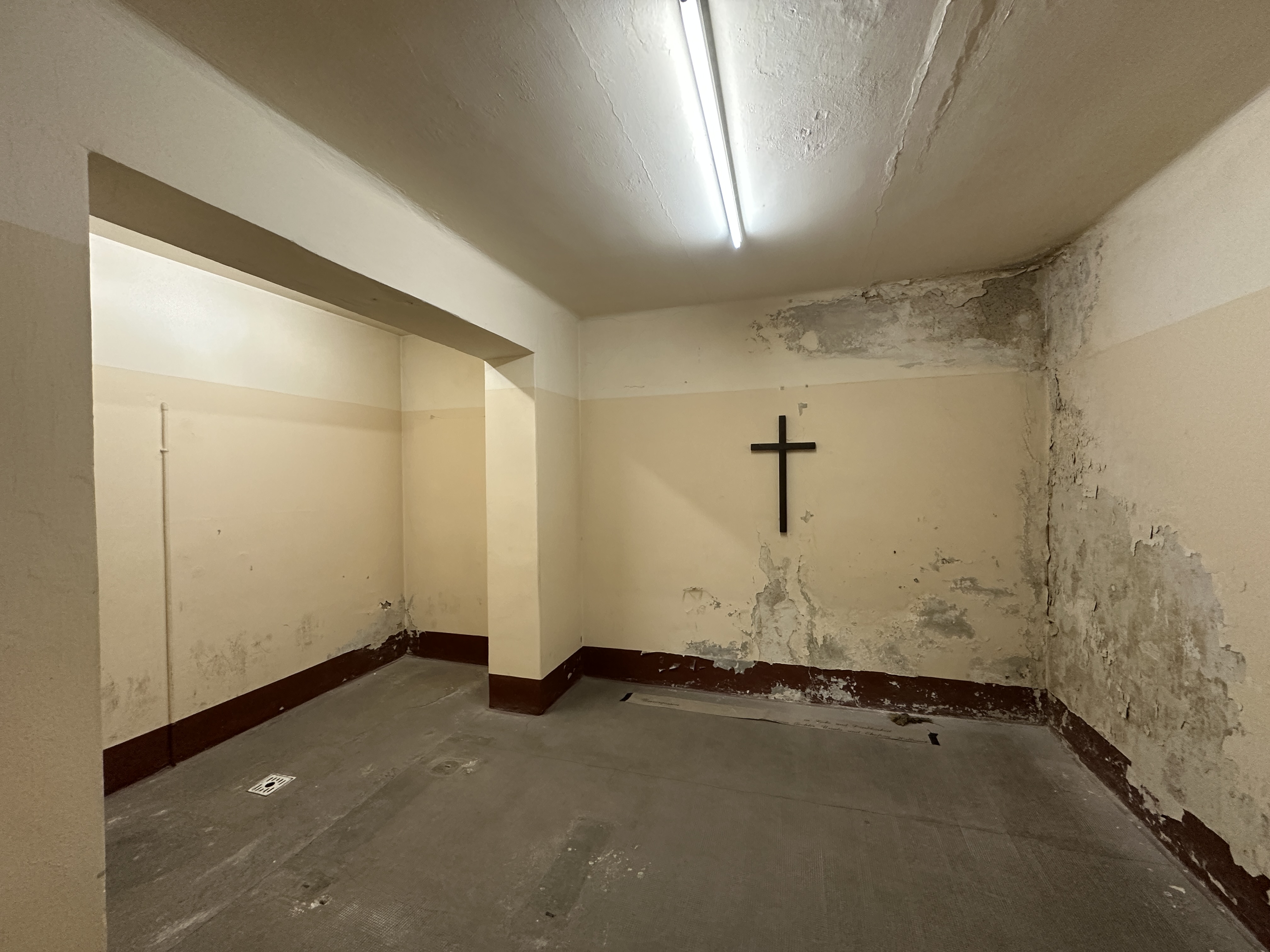
The GDR’s political justice system was relentless. Verdicts dictated by the state leadership before the trial even began, dubious evidence, broken people, death sentences. Countless mountains of files shed light on the insidious role of the judiciary in the dictatorship. Less researched to date: the sound of oppression! The Stasi Records Archive in Leipzig is today presenting the digital audio edition ‘Sounds of Repression – Listening to and Researching GDR Espionage Trials’.
Historians Dr Mark Laux and Dr Ronald Funke explain a research project by the Federal Archives which is scientifically cataloguing historical audio recordings of political criminal trials in the GDR and making them publicly accessible. The research project is based on surviving audio recordings from around 250 espionage trials dating from 1952 to 1989, which are to be published in stages over the coming years. The researchers are linking digitised original recordings with transcripts, historical photographs, selected trial documents and scholarly commentary. A specially developed audio player enables a detailed examination of the proceedings in the courtroom.
The first trial to be processed was that of Wilhelm Lehmann and six other defendants, which took place from 9 to 13 June 1955 before the Supreme Court of the GDR. The edition comprises around 20 hours of audio material and approximately 1,000 pages of transcription. Wilhelm Lehmann and Hans-Joachim Koch were sentenced to death, whilst the remaining defendants received long prison sentences. According to the Federal Archives, the verdicts had already been decided before the trial began.
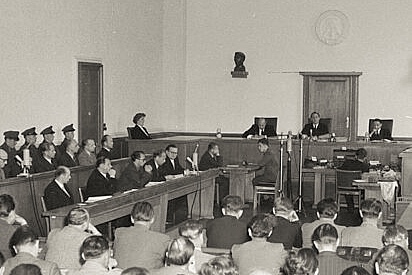
The SED used the proceedings to wage a propaganda campaign against the then Federal Republic of Germany’s integration into the West and its accession to NATO, in the context of the Cold War conflicts between the secret services. Unlike written trial records, the audio recordings also convey an impression of the judges’ conduct during the proceedings, their treatment of the defendants, the reactions of the public and the pressure exerted on those involved. This opens up further opportunities to examine the functioning and political staging of the GDR’s criminal justice system.
The event begins at 6.30 pm at the ‘Runde Ecke’ (Dittrichring 24). Admission is free. The original recordings that have been made available so far, accompanying academic texts and an introductory video can be accessed at www.toene-der-repression.de.
Leipzig hears Brandenburg wind farm case
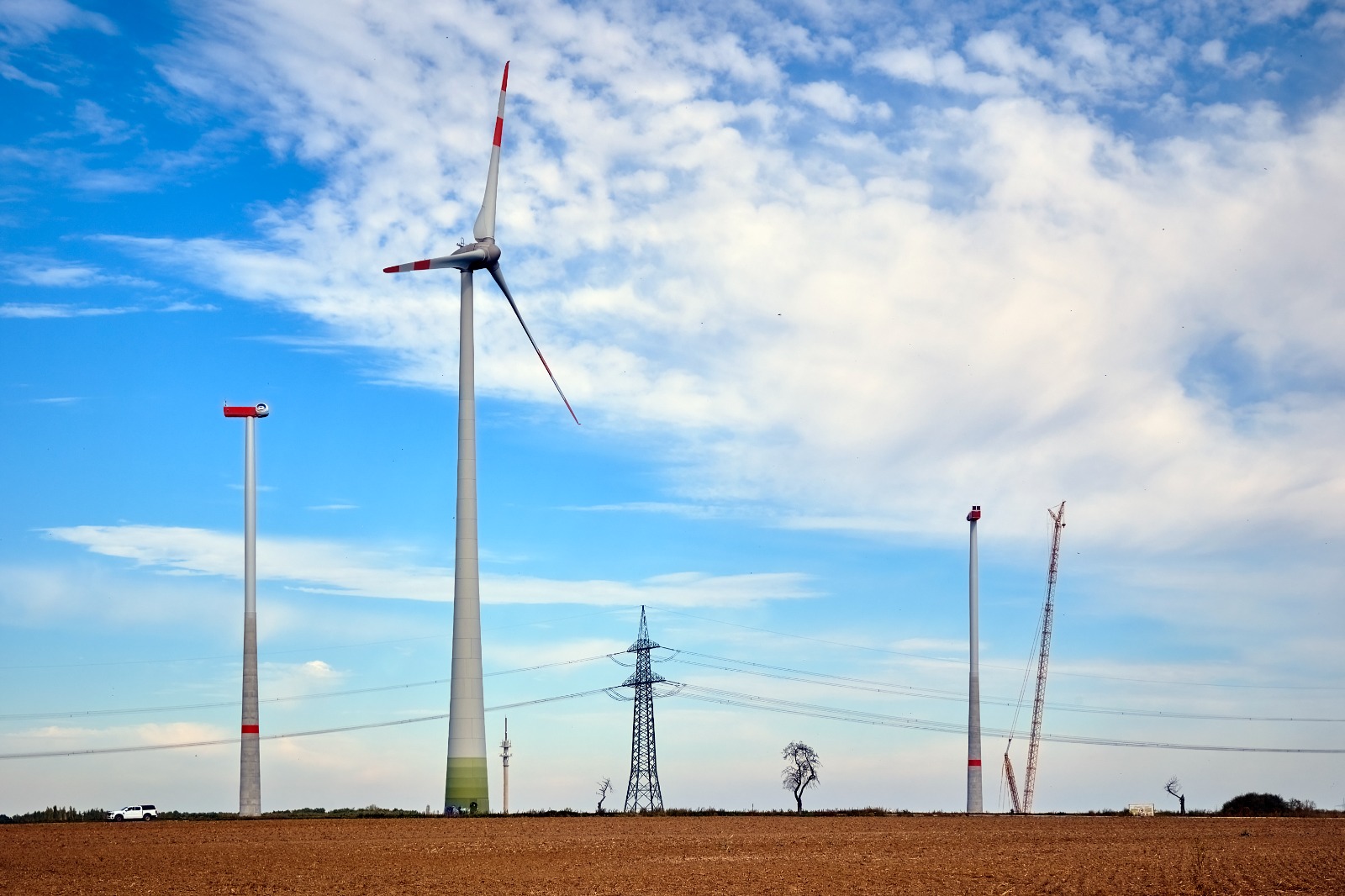
The Federal Administrative Court in Leipzig is hearing a case today concerning the construction and operation of four wind turbines in Brandenburg. Unlike many legal disputes concerning wind turbines, however, the lawsuit has not been brought by local residents, citizens’ initiatives or nature conservation organisations. Rather, two competing companies in the sector are disputing which of their projects takes precedence under planning law.
Whilst the co-respondent company intends to erect four new wind turbines, the claimant, A. GmbH, is also planning four new turbines as well as the modernisation of eight existing ones. Among other things, the hearing in Leipzig will address the mutual interference between the wind turbines caused by air turbulence and the resulting effects on their structural stability.
The Federal Administrative Court’s ruling could have nationwide implications for the investment and planning certainty of wind energy companies whose projects compete with one another on neighbouring sites. The hearing is open to the public.
Mayoral election: the future of construction from the candidates’ perspective
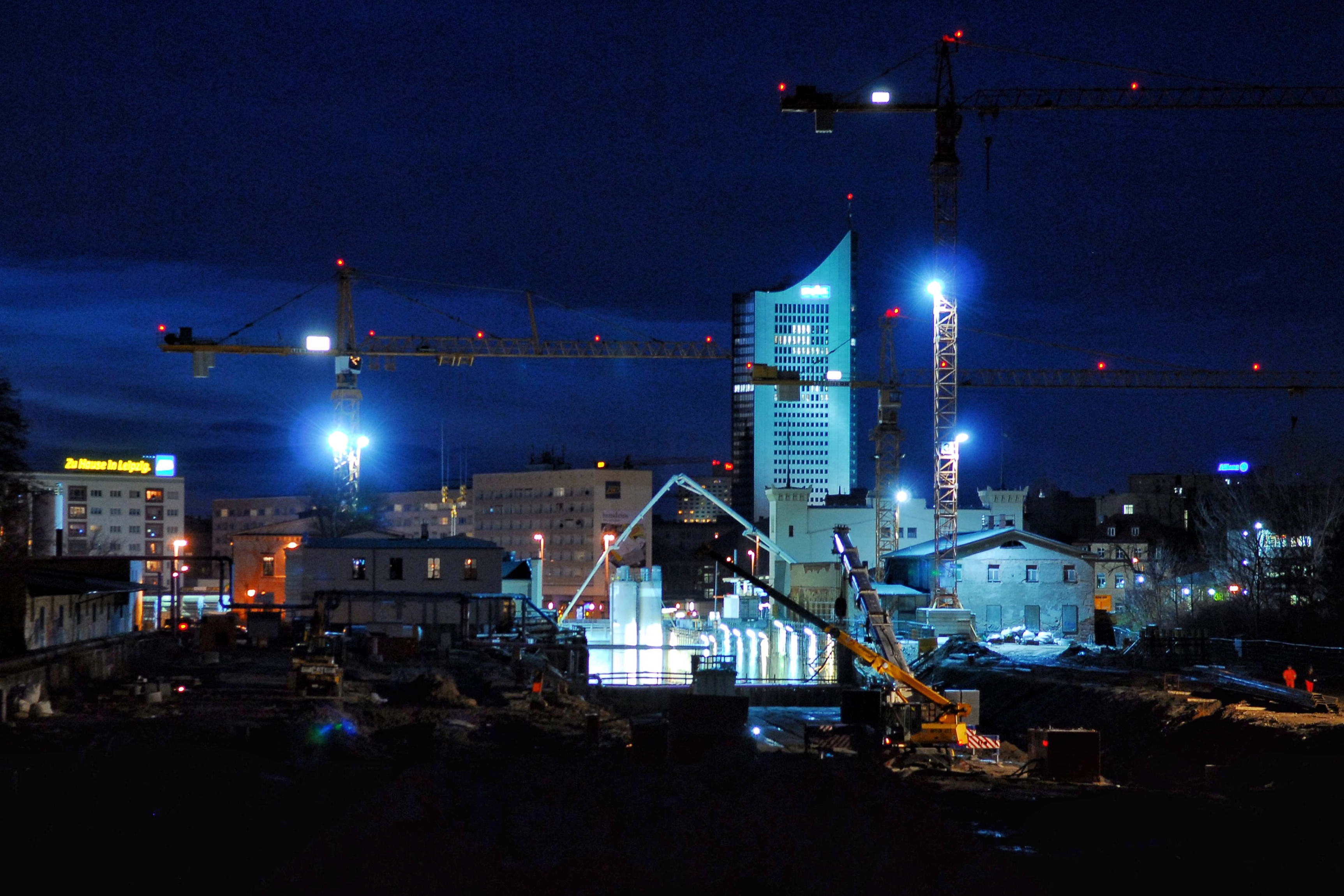
How should Leipzig’s urban development be shaped in the coming years? With just under three months to go before the mayoral election scheduled for 21 February 2027, the Leipzig Cultural Foundation is today bringing together five candidates for the city’s highest office for a public panel discussion.
Under the title ‘Who is building Leipzig’s future?’, Wolfram Günther (Alliance 90/The Greens), Dr Skadi Jennicke (The Left), Dirk Panter (SPD), Eric Recke (BSW) and Michael Weickert (CDU) will discuss their visions for the city’s future development from 6.30 pm at the Leipzig University of Applied Sciences (HTWK). Given the tight budgetary situation, the discussion will also focus on the question of what priorities Leipzig should set in terms of construction.
In addition to housing policy, the architectural quality of construction projects, social and urban development prospects, and the future of mobility and transport infrastructure will be addressed. Further topics include the impacts of demographic and climate change. The event is taking place at the HTWK at the invitation of Prof. Dr.-Ing. Björn Höhlig.
According to the university, the audience is also expressly invited to participate actively in the discussion. The composition of the panel is based on the nominations as at August 2026 and therefore does not include all candidates for the office of Lord Mayor who have since come forward. The venue is the Auditorium Maximum (Lecture Theatre A 140, Gustav-Freytag-Straße 43–45). Admission is free.
So können Sie die Berichterstattung der Leipziger Zeitung unterstützen:





There is one comment