The preservation of historic buildings, whilst important to many people, is often seen as a nuisance or an obstacle to renovation projects. In Leipzig, one example that springs to mind is the handrail on the external staircase in front of the new town hall; for years, plans for one were rejected ‘on grounds of heritage protection’. Today, nobody even notices it; most people probably think it has always been there. But that is just one of many examples.
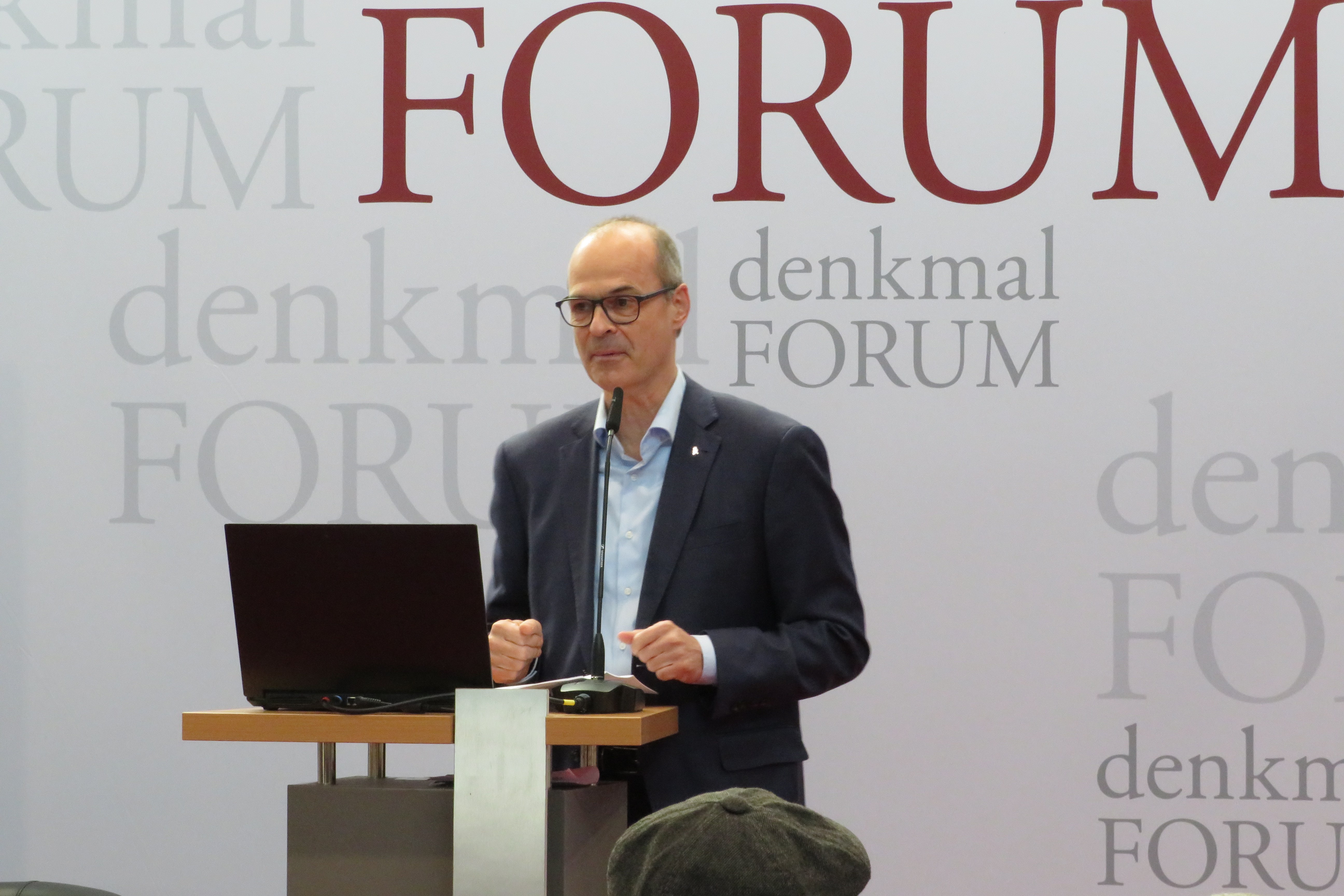
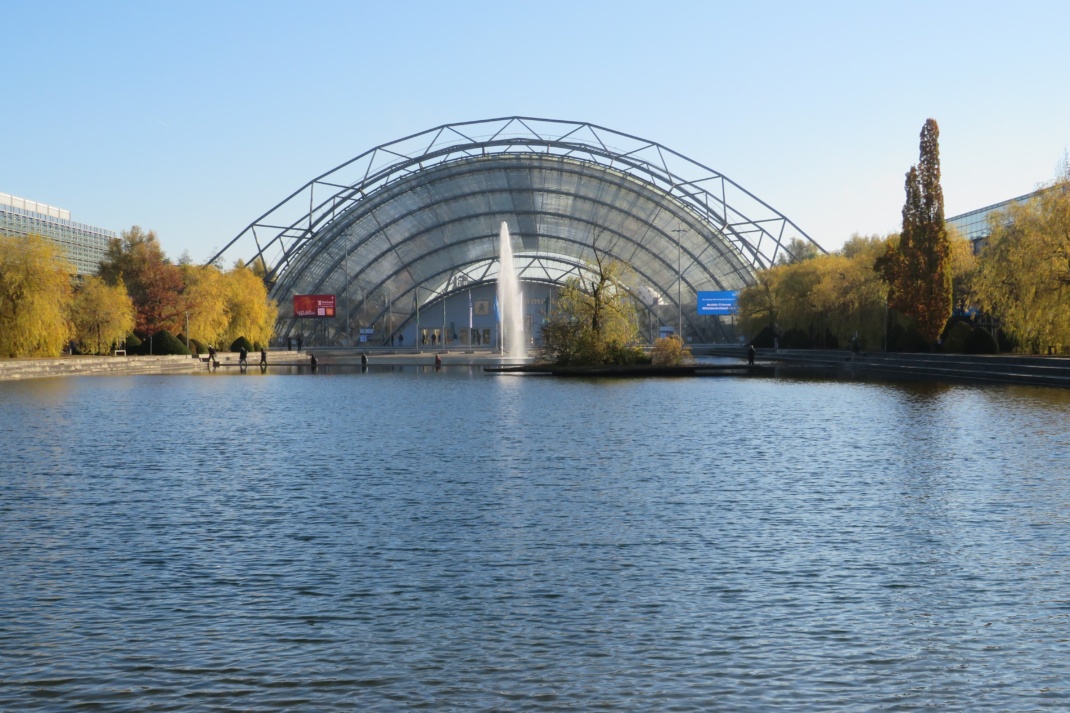
Leipzig hosts the annual ‘denkmal’ trade fair, Europe’s leading event for
heritage conservation, restoration and the renovation of historic
buildings. In 2026, this will take place from 5 to 7 November at
the new exhibition centre. This year, for the first time, there was
an opening panel discussion entitled ‘How much heritage can we
(still) afford?’ With a high-calibre line-up featuring Prof.
Dr.-Ing Alexander Stahr from HTWK Leipzig as moderator, Prof. Dr
Thomas Drachenberg, the State Conservator and Deputy Director of
the Brandenburg State Office for the Preservation of Historic
Monuments, Alexander Poetzsch, President of the Association of
German Architects (BDA), and Andreas Bugiel, Managing Director of Bennert GmbH, an interesting discussion was to be
expected. We were not disappointed. 
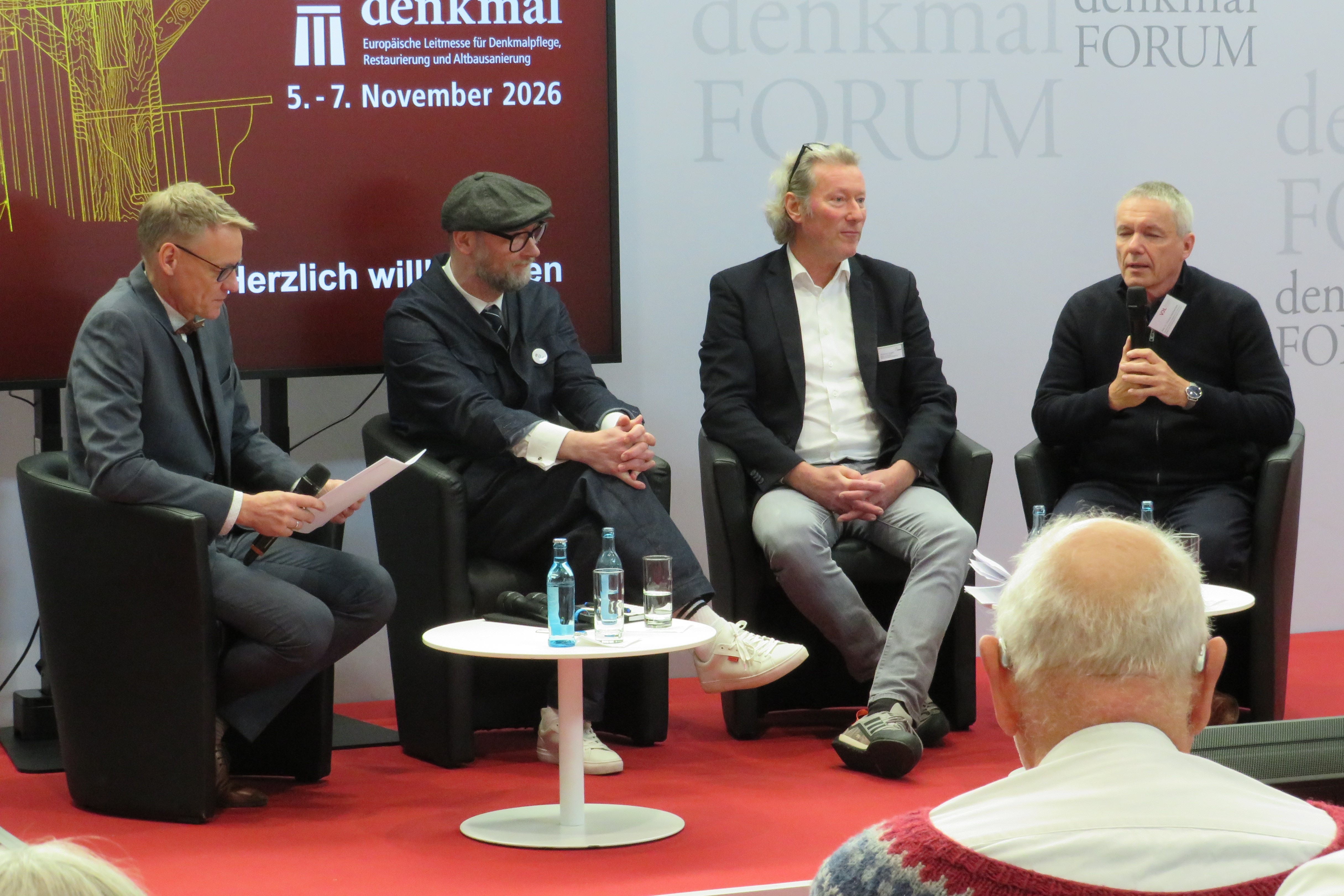
To cover everything in full would go beyond the scope of this article. We asked Prof. Drachenberg for a brief interview.
Interview with Prof. Dr Thomas Drachenberg
Professor Drachenberg, I’d like to rephrase the question posed during the panel discussion as: ‘How much heritage can we still afford?’ One sometimes gets the impression, particularly in cities like Leipzig, that there is an inflation of listed buildings, some of which are in ruins. Owners and investors say: ‘No, I’m not doing that – it’s a listed building, it’s too much work for me.’ Is that the case?
That’s a difficult question, because heritage conservation and heritage protection are two sides of the same coin. In other words, the first stage is recognising that a particular building has heritage value. What constitutes heritage value is set out in the Heritage Protection Act. This means that, as the regional office, I have to prove and justify it. That’s one thing. It doesn’t matter whether it belongs to someone with four children or someone living alone, or whether that person has money or not. That means, for example, that Leipzig Town Hall is a listed building. Whether it functions as a town hall or not is completely irrelevant; first and foremost, it is a listed building, full stop.
The second phase is then the stage where I have to take all the practical realities into account. That means it must be reasonable and it must be feasible. There are various scenarios here. I come from the state of Brandenburg; there’s a villa in Frankfurt-Oder that’s empty and falling into disrepair. There’s an identical villa in Potsdam, and five people are vying for it. We operate within this web of relationships and these conditions, and must determine where the opportunities lie to preserve something. Things will be different in Potsdam than in Frankfurt-Oder; in Frankfurt-Oder, we’ll probably have to talk about securing the building. In Potsdam, we need to see who has the best plan for the monument at that location.
Discussing and balancing this requires a great deal of specialist knowledge and good communication. To do this, you need the city’s support, you need investment, and you need architects to find a solution for this building. The question isn’t at all how many monuments we can still afford. Rather, the concept of a monument assumes that it doesn’t matter whether you or I have already realised that what’s back there is a monument. It doesn’t matter at all; it is one.
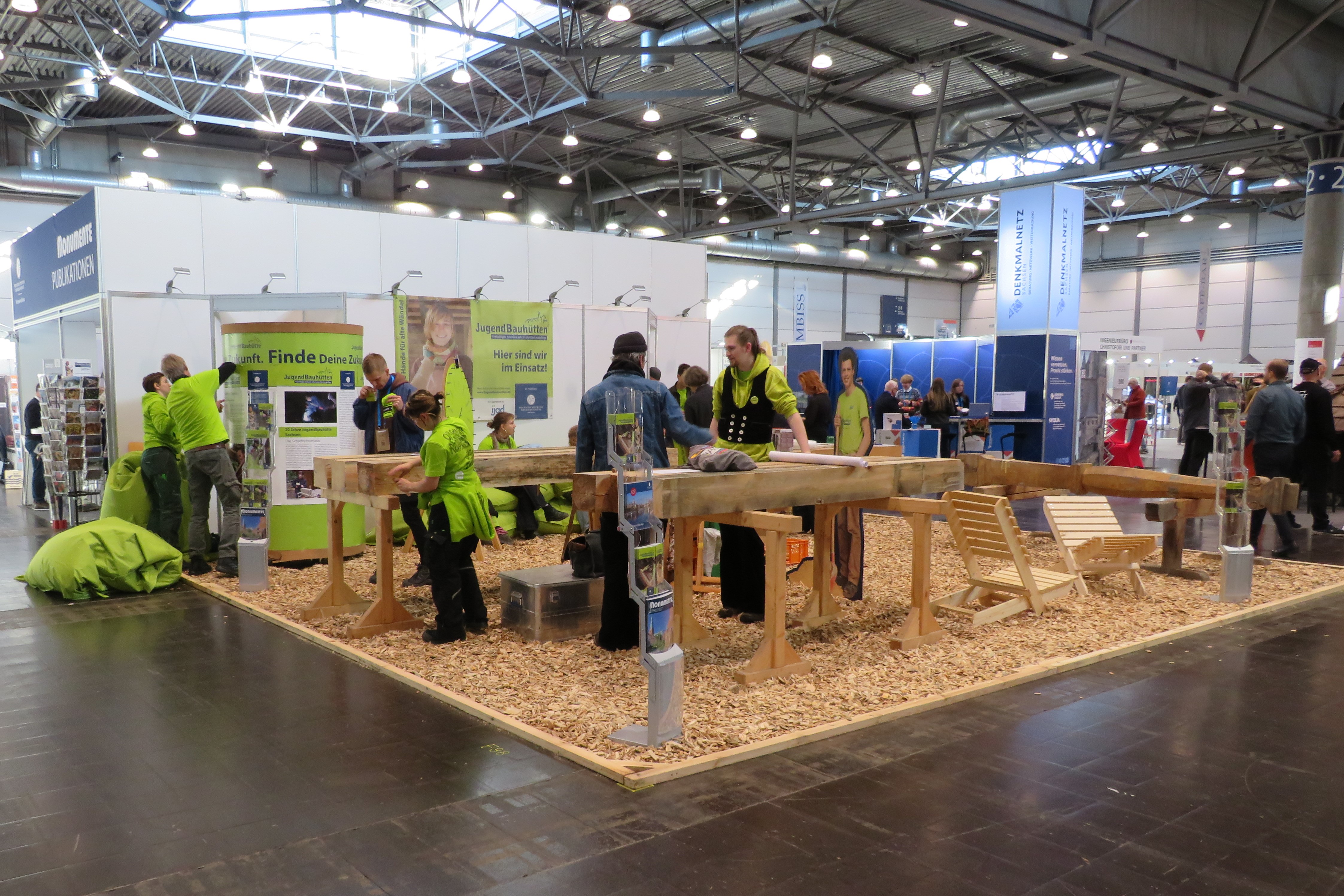
Heritage protection is often seen as a justification for preventing modernisation. Can one make such a sweeping generalisation, or is it possible to find compromises between heritage protection and, for example, a solar panel system on the roof?
The interesting thing is that 95 per cent of current cases – and there are thousands a year, hundreds of thousands nationwide – proceed without any problems. What we’re talking about is the remaining five per cent. There can be various reasons for this. As a heritage conservationist, I get a bit prickly when you want to demolish the listed building. Then there will be no compromises. That means we’ll have to wrestle with the issue together to find a solution for the monument and for you as well. When it comes to alterations to a monument, there are so many ways to change it that, as a heritage conservationist, I find myself asking: where exactly is the point at which something should remain exactly as it is? We have now established regulations in all federal states regarding what is permitted with solar installations. Here in Brandenburg, for instance, we have a culture of enabling such projects. In other federal states, too, the focus is usually on how things can be made to work, rather than on how they can be prevented.
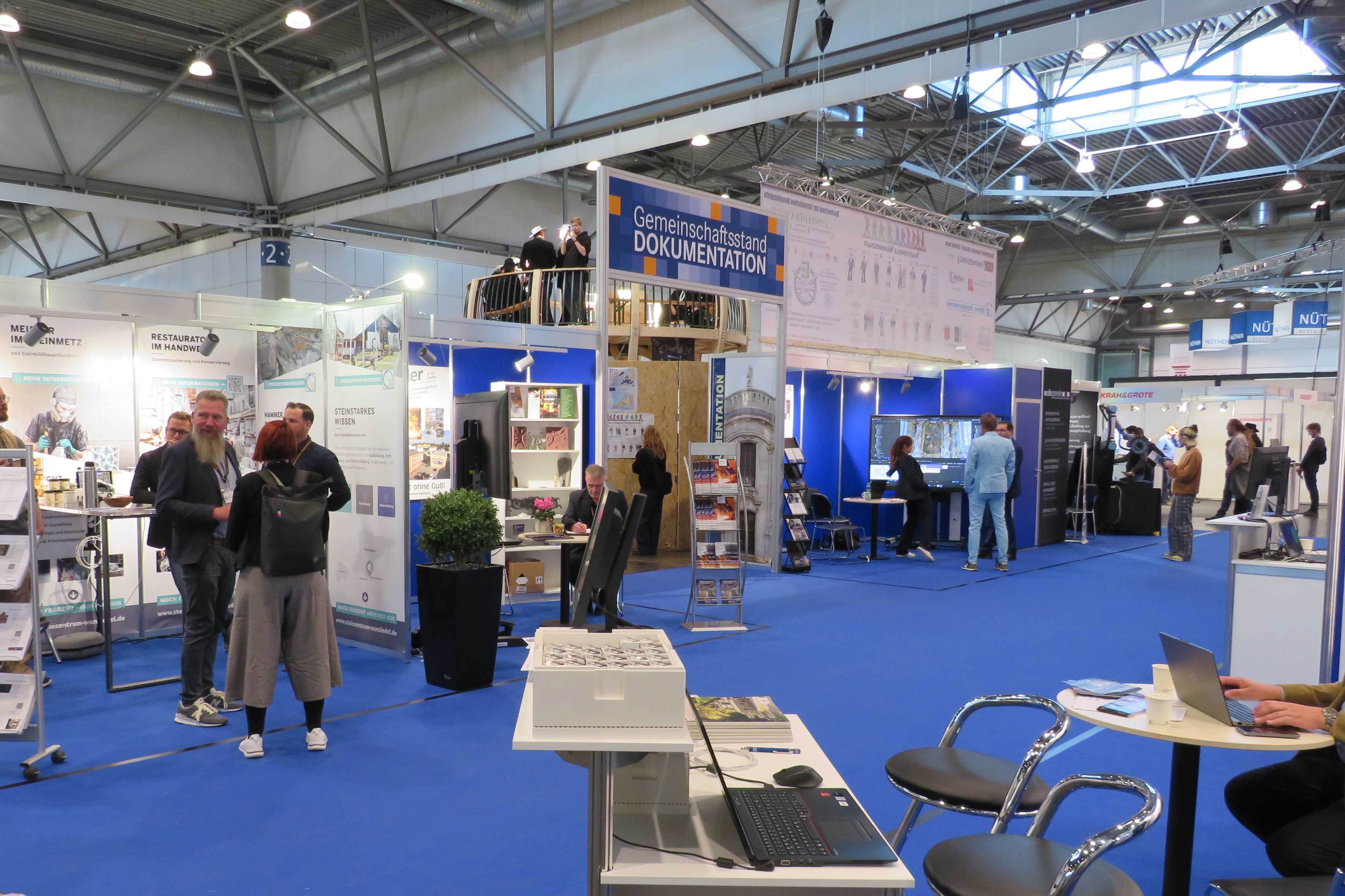
When it comes to solar installations, for example, the question sometimes arises as to what purpose they serve. Are there perhaps other options, such as geothermal drilling, combined with a smaller solar installation? The point is: we need good communication before we get bogged down in bureaucracy.
Professor Drachenberg, thank you for the interview.
There was a great deal of craftsmanship on display at the trade fair; in 2024, we’d focused on this aspect. This year, we were more interested in the preservation of historic buildings itself. That’s when a poster at one stand caught our eye, bearing the slogan ‘Planning for the future of listed buildings’. Probstei Johannesberg gGmbH has published a book on this topic entitled ‘Heritage Conservation – A Handbook for Architects’, and one of the co-authors, Managing Director Jürgen Krieg, was happy to answer a few questions.
Interview with Jürgen Krieg
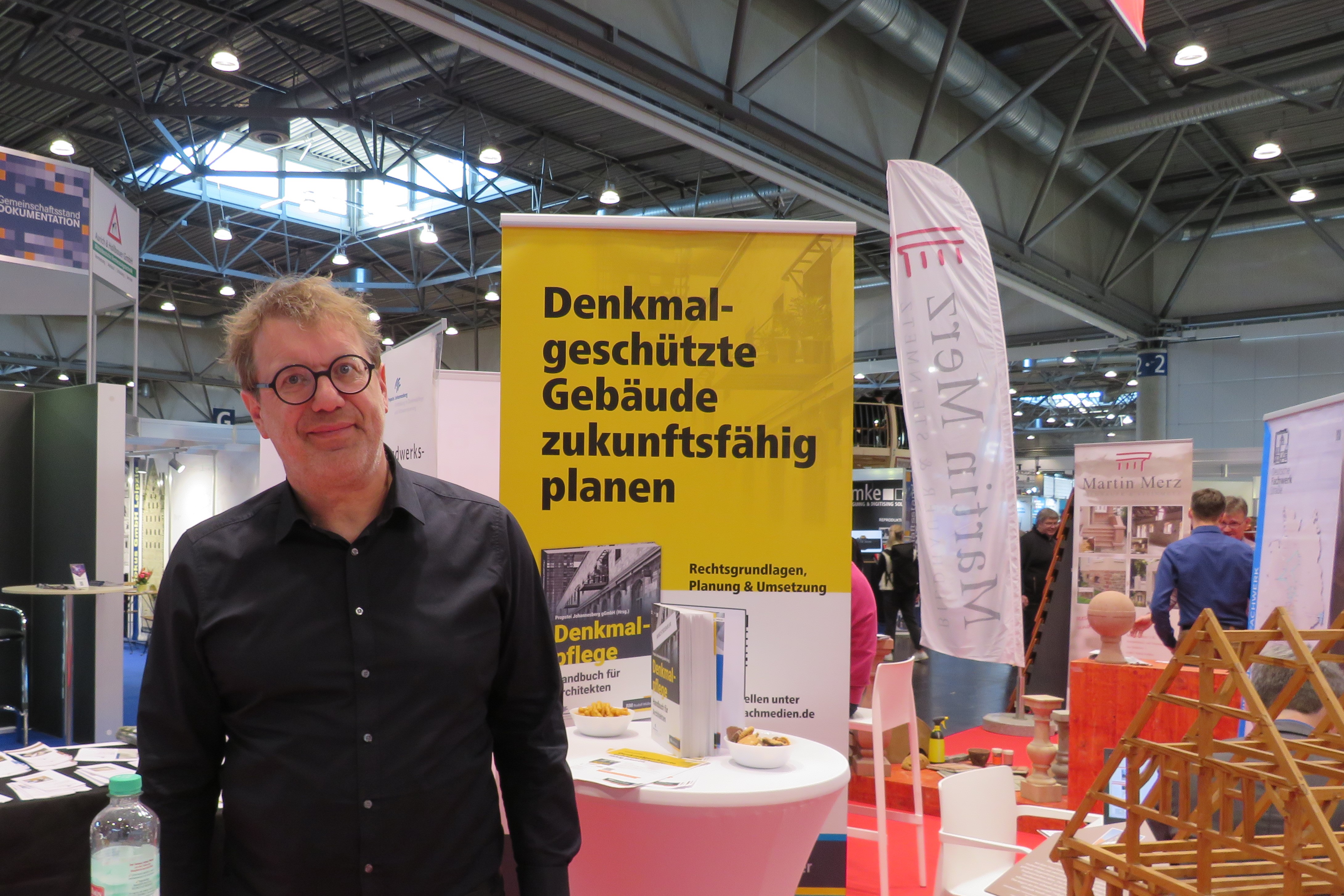
Jürgen Krieg, Managing Director of Probstei Johannesberg GmbH Photo: Thomas Köhler
Mr Krieg, what does ‘planning for the future’ mean to you?
Does it simply mean ensuring the building doesn’t collapse, or does
it refer to ensuring its long-term usability?
Naturally, it means both. Planning for the future also means that
historic buildings are restored and refurbished in such a way that
they can continue to be used in the future. In particular, this
means ensuring sufficient comfort, taking energy efficiency into
account, but also using future-proof methods. For example,
utilising digitalisation in the restoration of buildings.
During the opening panel discussion, Alexander Poetzsch from
the BDA said that it is not necessary to install a ventilation
system in every listed building; it is also sufficient to ventilate
regularly via the windows. Is there a conflict here between users
who want the comfort and convenience of a ventilation system and
the heritage conservationist who wants them to ventilate via the
windows? Do we need to convince people that there may be other
criteria to consider in a listed building?
Yes, there are other criteria for listed buildings; one can say
that quite clearly. One must strike a balance between intervention
and the preservation of the existing structure. Whether to
ventilate via windows or install a ventilation system depends very
much on the building’s use, how it is used, the condition of the
building fabric and many other factors. It is important to engage
thoroughly with the historic building in order to apply the
parameters accurately and with nuance.
What role does sustainable building play for you, in terms of
building materials?
The field of heritage conservation has long recognised the reuse of
historic building materials; in that sense, it is actually the very
concept of sustainability that is now on everyone’s lips when it
comes to new buildings. Reuse and the use of old building materials
– this is something that heritage conservation has been doing for a
very long time. In any case, it is sustainable to renovate a
building rather than construct a new one.
Mr Krieg, thank you for the interview.
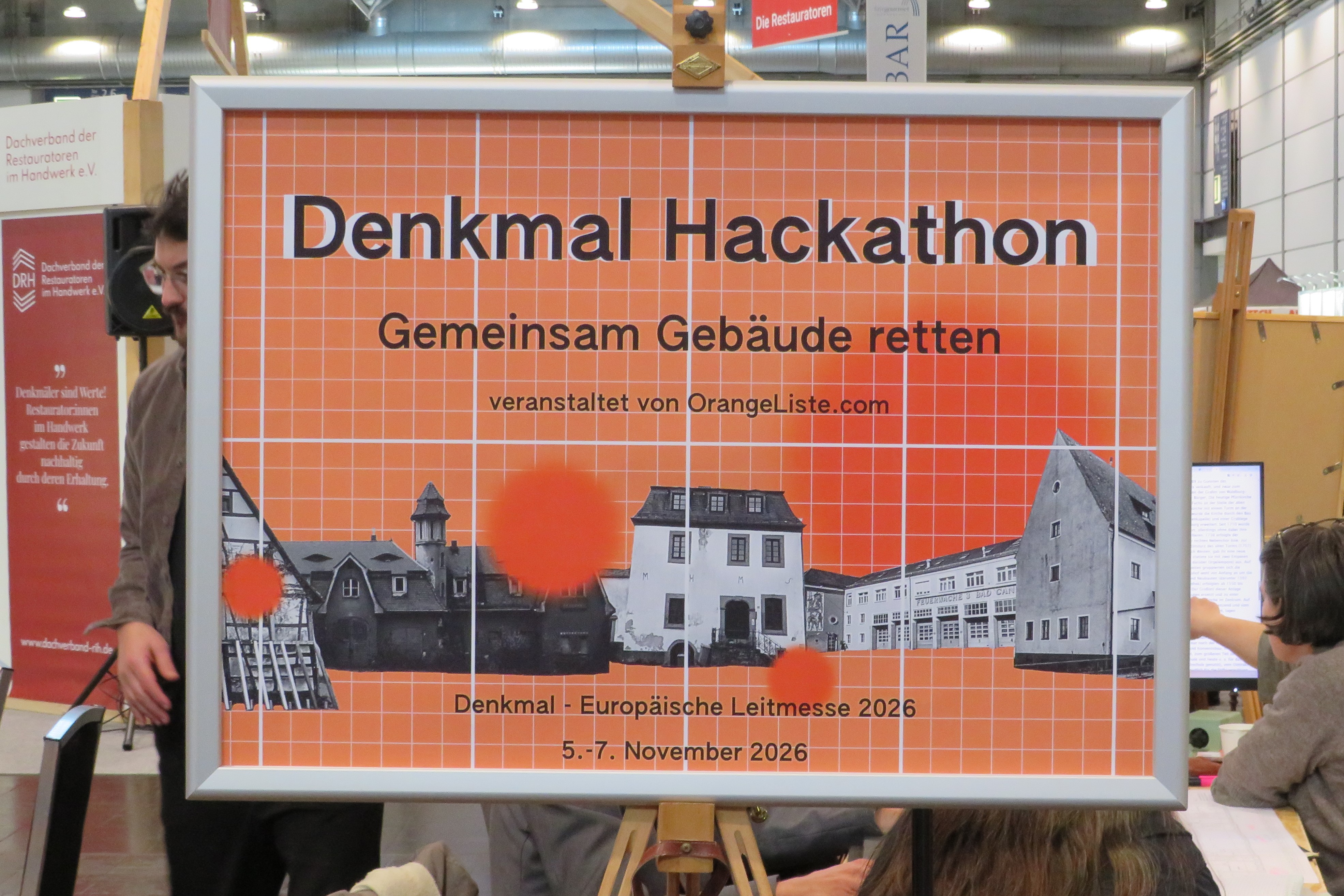
Sign: Heritage Hackathon, organised by OrangeListe.com Photo: Thomas Köhler
What is a Heritage Hackathon?
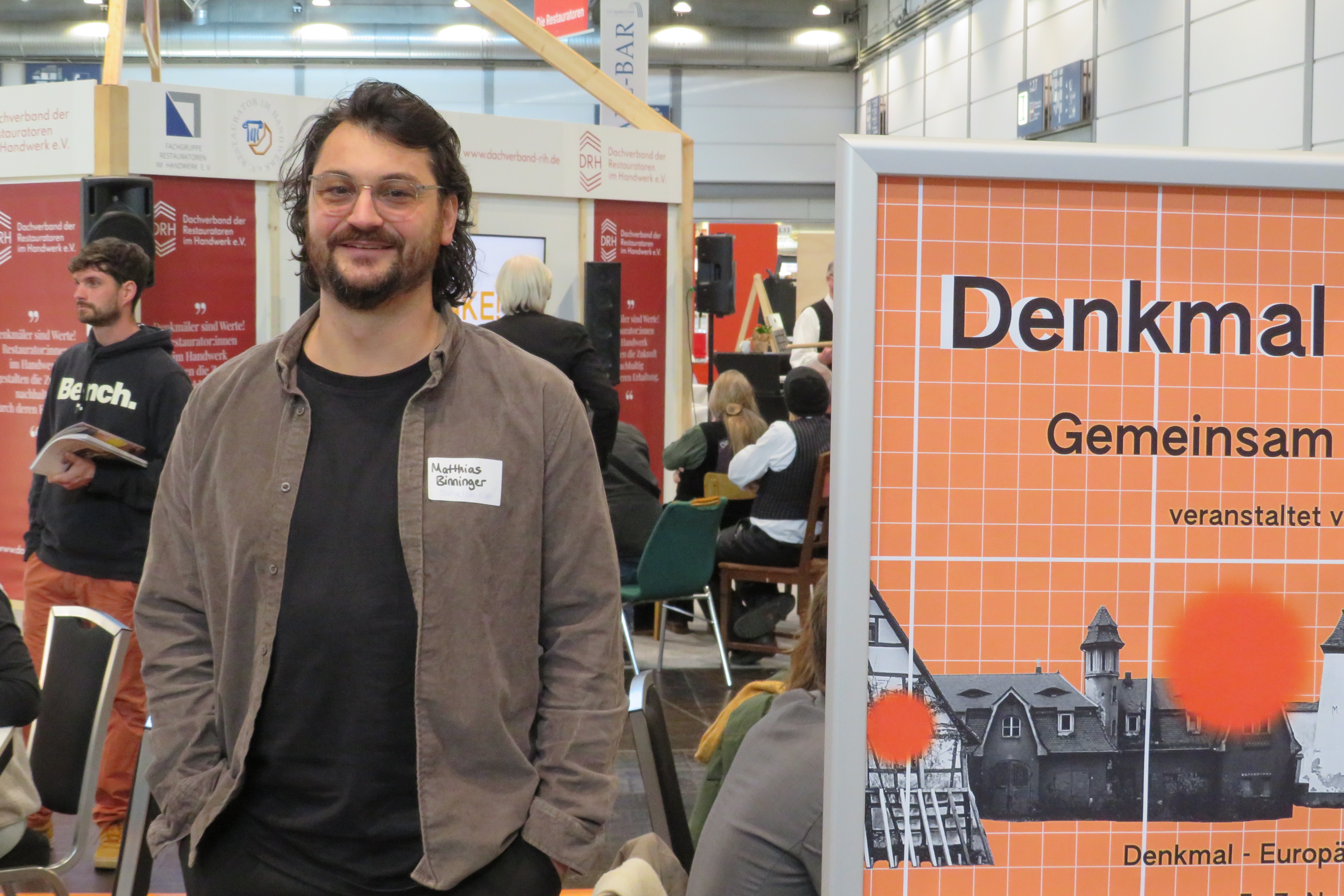
‘Heritage Hackathon – Saving Buildings Together’ – the sign caught our eye and raised questions at the same time. People were sitting at two tables with plans, discussing and sketching, whilst Matthias Binninger from Orange Liste, the organiser, was happy to answer our questions.
Mr Binninger. ‘Monument Hackathon: saving buildings together’ – what does that mean?
The idea is that here at the exhibition, we’ll develop a concrete plan for a specific building over two days so that we can present the results on Saturday, the third day. We want to do in two days what normally takes two years in the heritage sector, simply by examining all the different perspectives on what it takes to restore a listed building to its former glory. To this end, we have the owners here – in this case, the local council – and over there are a few experts. Over the two days, we’ll be examining all the specialist areas – technical aspects, heritage conservation, content, business model, financing and organisational model – and we intend to tackle all these topics in separate sessions spread across the two days; ideally, we’ll present the results on Saturday.
The building is the St Peter’s Community Centre – where is that?
In Bad Waldsee, which is in the south of Baden-Württemberg.
Even though it still looks quite good in the photo, it’s probably in a state that needs refurbishment, isn’t it?
Exactly, it definitely needs refurbishing, but the question is, of course: in what direction do we want to transform the building? In other words, what use will it serve, what’s the concept behind it, what’s its purpose, and who will ultimately pay for it? Between you and me, it’s clear that parishes face major challenges. Who should be able to use this building in future, what’s the concept behind it, and ultimately how will it be funded, so that the building, in such a central location for the local community, can be preserved? That’s the idea.
The Orange List – what is it?
The Orange List is a platform where anyone can submit details of buildings that are standing empty. So not just listed buildings, but the built environment in general. We then try to initiate the right rescue initiatives to connect the right people with the right places. This can lead to rescue projects that nobody had previously considered. In other words, it’s a platform designed to save buildings, or rather to facilitate building rescue projects. Anyone can get involved; anyone can submit buildings; everyone is very welcome, whether they’re a professional, an amateur or anyone else.
On OrangeListe.com, you can submit a building – it takes a minute – upload photos and provide details. Hackathons are then building-rescue initiatives that we also organise, so that we can find solutions for specific buildings.
Mr Binninger, thank you for the interview.
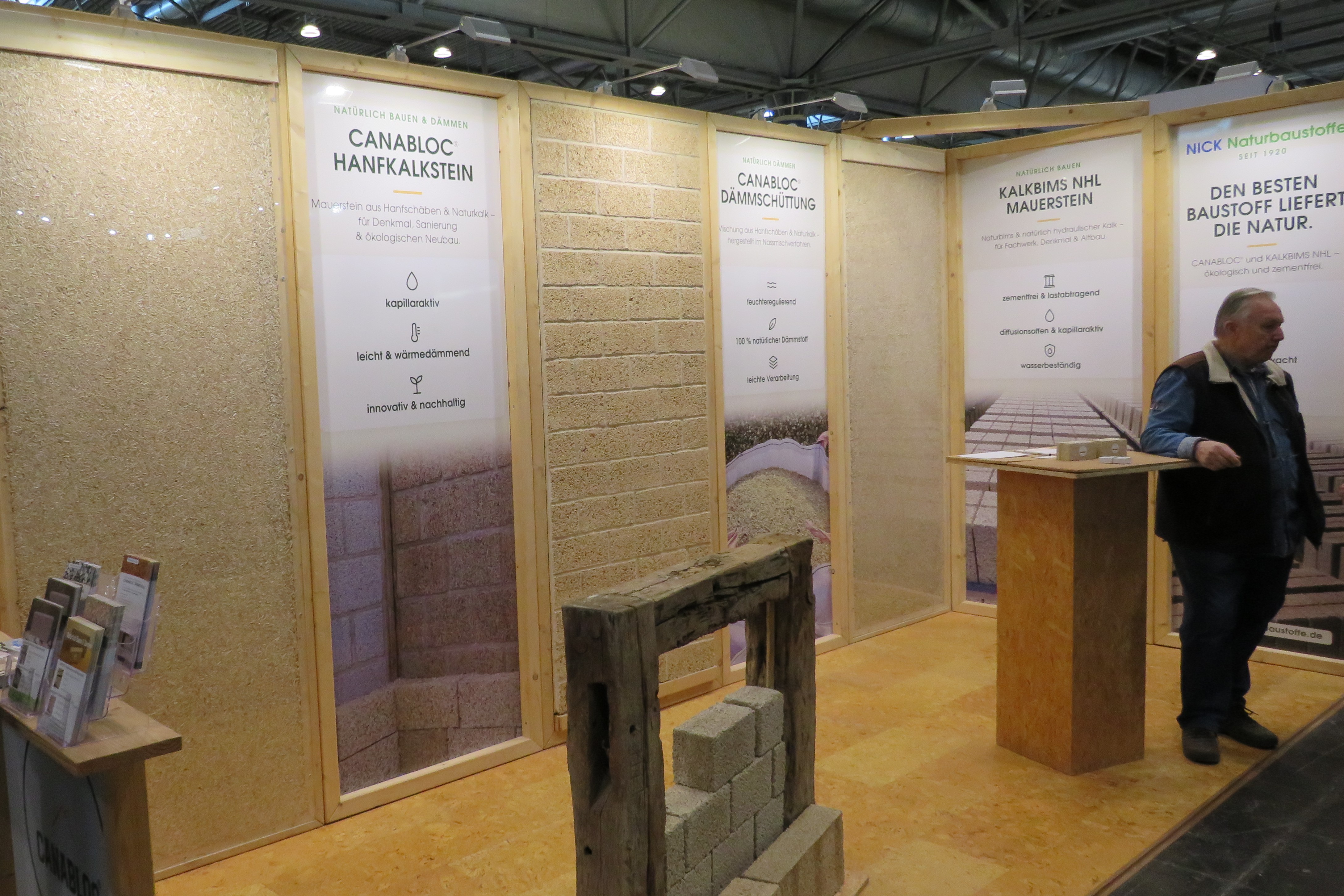
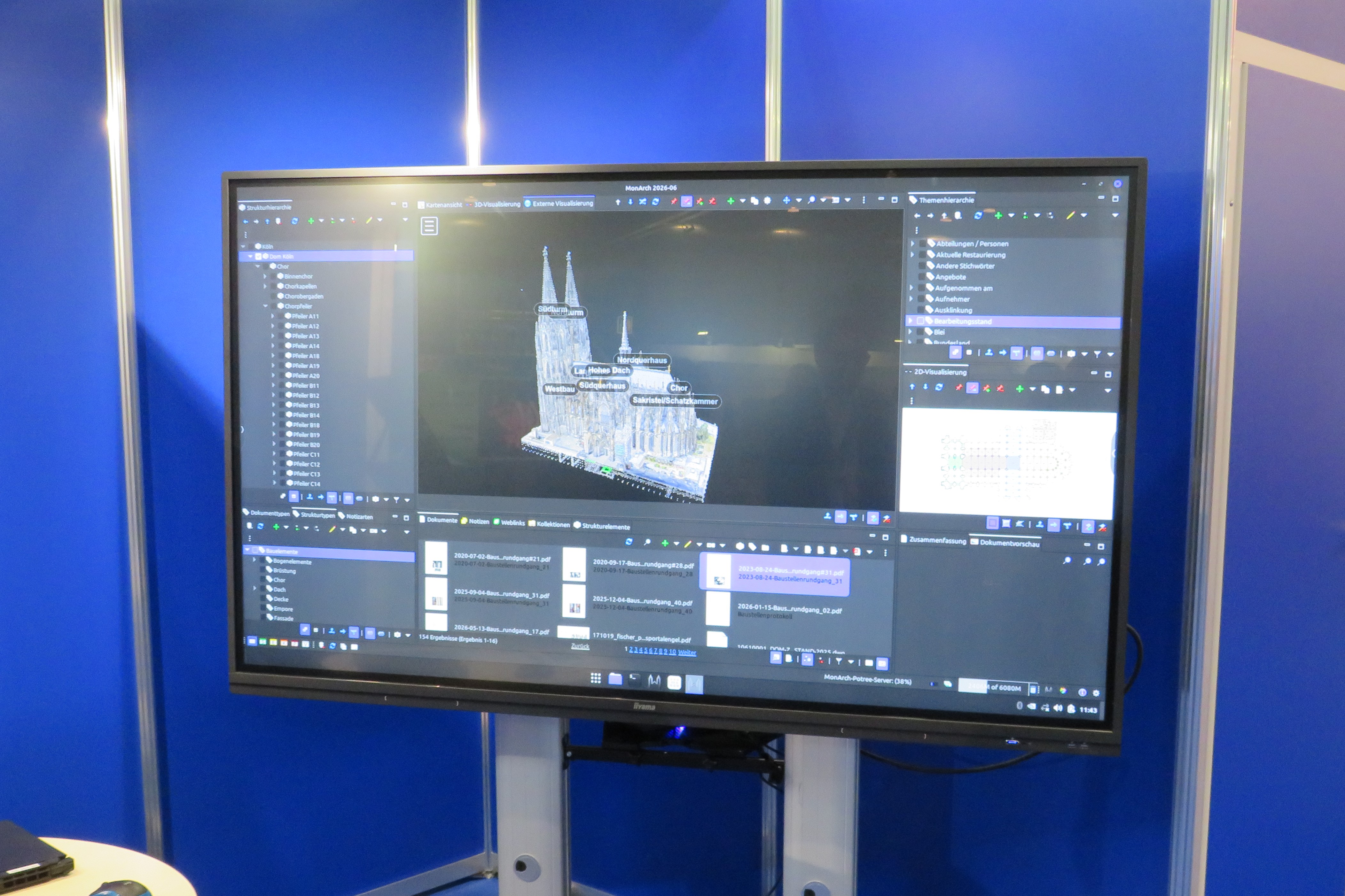
There was still plenty more to see, such as building materials made from hemp, the restoration of thatched roofs, reeds used as a building and insulation material, and, of course, traditional craftsmanship. Digitalisation solutions, right through to the use of AI, were also showcased.
All in all, it was another informative visit to the trade fair. We’ll be reporting on it again in the coming years.

So können Sie die Berichterstattung der Leipziger Zeitung unterstützen:




There is one comment