Dieser Artikel ist auch in deutscher Sprache verfügbar: Zum deutschen Artikel.
The city council discussed the ‘Bimmel’ lockdown yesterday. As the agenda was rather full, the councillors will have to return to the matter today. The state parliament is debating motions on wolf legislation. From today, a new exhibition in the town centre will shed light on the development and life of and in Grünau. And as if things weren’t bad enough: there will be no more S-Bahn services to Schkeuditz until October.
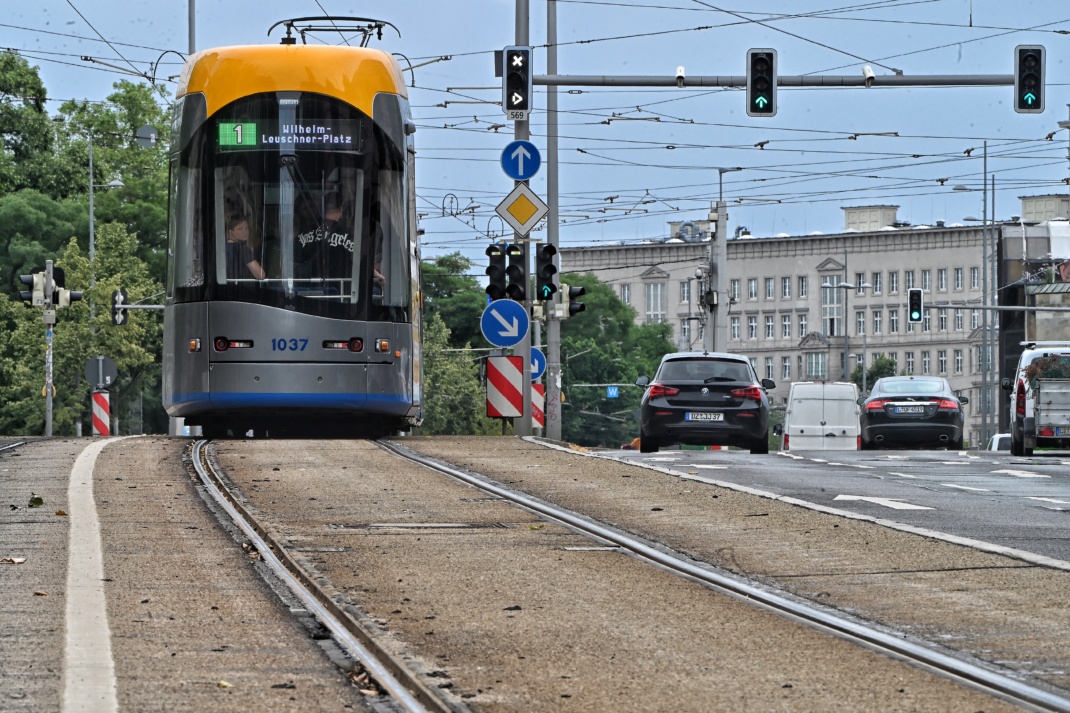
The tram is slowly getting back on track
Metre by metre, the tentacles of the ‘bitumen beast’ – which have had the city in its grip since last Saturday and made it impossible for trams to run – are being cut off. Due to the ongoing extreme heat, Leipzig Transport Services (LVB) had to suspend operations across its entire rail network.
The cause was a bitumen-based joint sealant that had swelled along the approximately 150 kilometres of track. This caused the rails, points and the trams’ undercarriages to stick together, meaning safe operation could no longer be guaranteed. Thanks to round-the-clock efforts, services have now been able to resume on seven sections of the network. The company provides information on which sections these are (and which will follow) on its website, which will be updated as the next sections reopen.
At yesterday’s city council meeting, Thomas Dienberg, the councillor responsible for construction, announced that the LVB had now commissioned expert reports to clarify how a breakdown of this magnitude could have occurred and whether the material used actually met the requirements of the relevant tender. In a recent debate, an AfD city councillor recalled that in the GDR, water trucks used to cool the roads and tracks during the summer.
The LZ asked the transport authority whether such an idea would be constructive and received a sobering reply. At that time, there had also been hot summer days, but not with such high temperatures over such a long consecutive period. The nights, which were far too warm, would have been barely able to lower the temperature of the steel tracks and the roads themselves. Under current circumstances, according to LVB spokesperson Marc Backhaus, the track network – spanning a good 150 kilometres – would have to be watered every hour. An idea, therefore, that is simply not feasible.
From today, the people of Leipzig face yet another test. Until 30 October, the S-Bahn service to Schkeuditz will be suspended and replaced by a rail replacement bus service. The reason: the railway bridges on Pittlerstraße and Linkelstraße need to be replaced.
The city council is in for a late session
It was more predictable than the next tram. Because even the original agenda for yesterday’s council meeting was so packed and barely manageable, the local council must meet again today. Furthermore, Leipzig’s ‘Klebe’ crisis, with current questions from various parties, kept the council occupied well into the evening. Throughout the entire meeting, there was no atmosphere that might have suggested the City Council’s summer recess was imminent.
What needs to be dealt with in today’s extra session is still a substantial package of decisions. Among other things, it concerns the question of the appropriate location for a memorial to victims of femicide. A policy decision on this was taken back in 2022. Funding was subsequently secured via the 2025/2026 budget: 40,000 euros for 2025 and 100,000 euros for 2026. Now the focus is on the ‘where’.
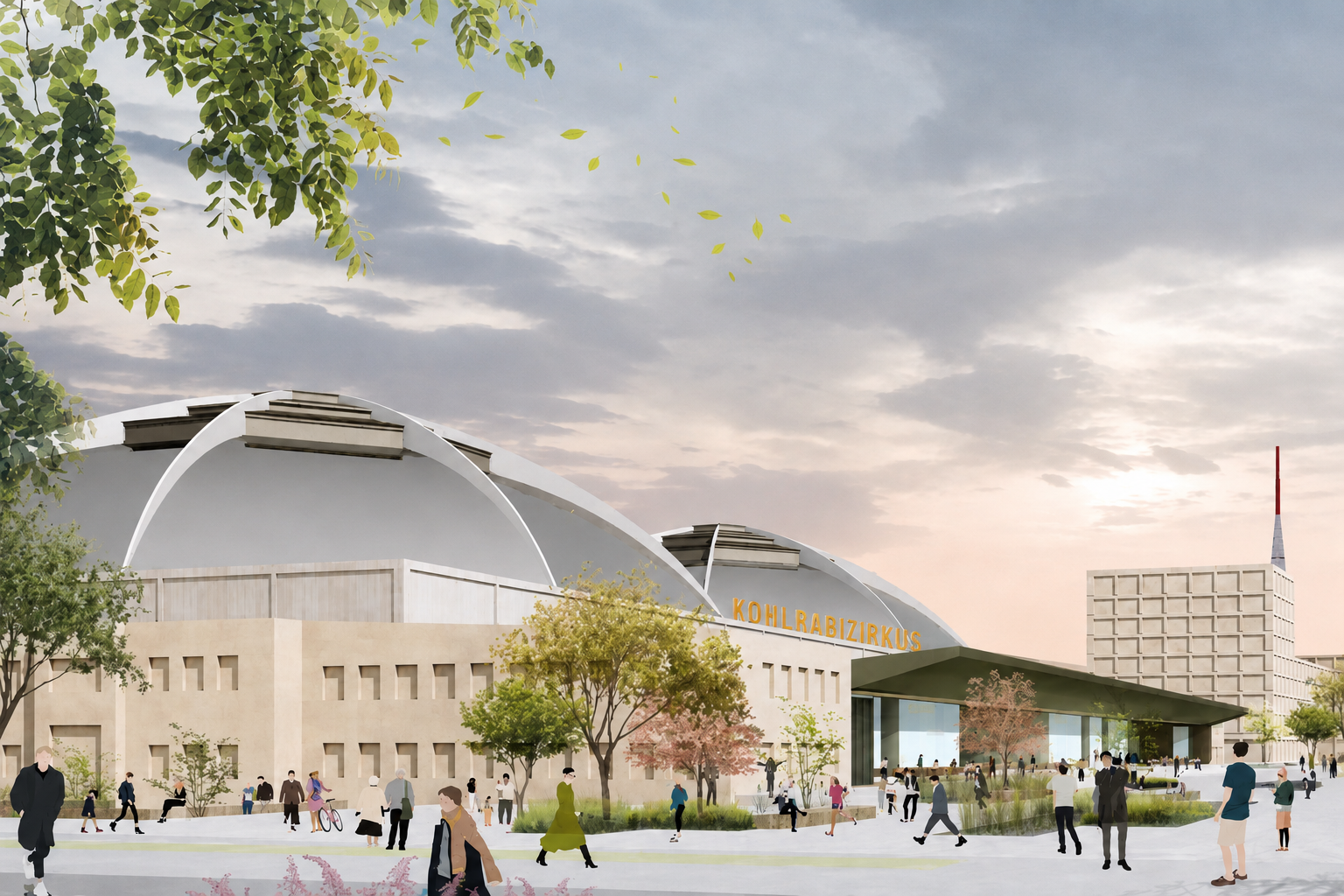
Equally important will be the decision on the future of the ‘Kohlrabizirkus’ in the area adjacent to the Alte Messe. The area around the former Großmarkthalle forms part of the Alte Messe West development. In February 2026, the City Council had already approved development plan No. 451.1 ‘Semmelweisstraße/An den Tierkliniken, northern section’. The aim is to create a hub for innovation and technology; the Kohlrabizirkus, the locomotive shed and other listed buildings are to be preserved. (As reported by the LZ).
The next city council meeting will take place on 26 August, after the summer holidays.
The wolf is coming to the state parliament
It is not only the confiscation of tigers in Leipzig (as reported by the LZ
) that is currently fuelling debate. The tigers are currently being moved to Spain. The wolf, returning to its native habitat, is also a topic of concern for people, right up to the political level. Today, the Committee on the Environment and Agriculture in the Saxon State Parliament
is considering amendments to hunting and nature conservation legislation, as well as future wolf policy.
The public hearing begins at 10:00 in Room A 600 of the State Parliament in Dresden; a live stream is planned. The basis for this is provided by parliamentary documents 8/7252 and 8/6746. The draft bill put forward by the CDU, SPD and BSW (Drs. 8/7252
) aims to bring Saxon law into line with federal law, which has been amended with effect from 2 April 2026. Among other things, this concerns the status of the wolf under federal hunting law, new areas of responsibility, management plans, the authorisation of monitoring measures and compensation for damage under hunting law.
The motion tabled by the AfD (Drs. 8/6746
) takes a harder line: the far-right party is even calling for the abolition of the Wolf Unit
by 31 March 2027 at the latest, faster ‘culling procedures’ and annual culling quotas in districts with high wolf densities. For Saxony, 46 wolf territories have been officially confirmed for the 2024/2025 monitoring year: 35 packs, 10 pairs and 1 solitary territorial wolf.
In a nationwide comparison, the Free State thus ranks third, behind Lower Saxony and Brandenburg. According to the DBBW, confirmed wolf attacks on livestock across Germany fell by 13 per cent in 2024, whilst the number of livestock killed or injured fell by 25 per cent. At the same time, €23.4 million in herd protection grants and €780,400 in compensation for losses were paid out.
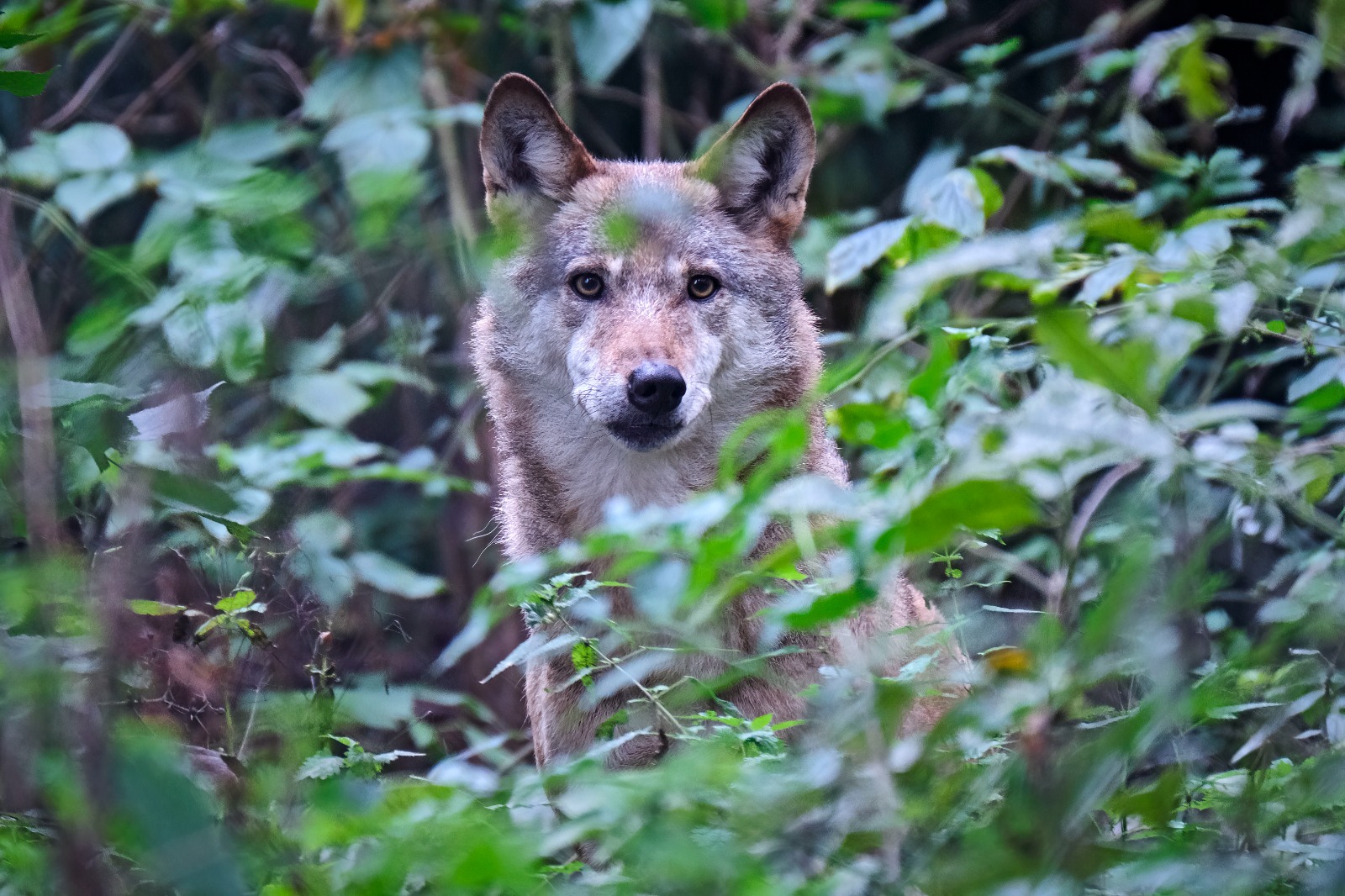
Keeping an eye on the wolf. Today’s state parliament session focuses on a returning wolf. Photo: Michael Schöne
Grünau comes to the city centre
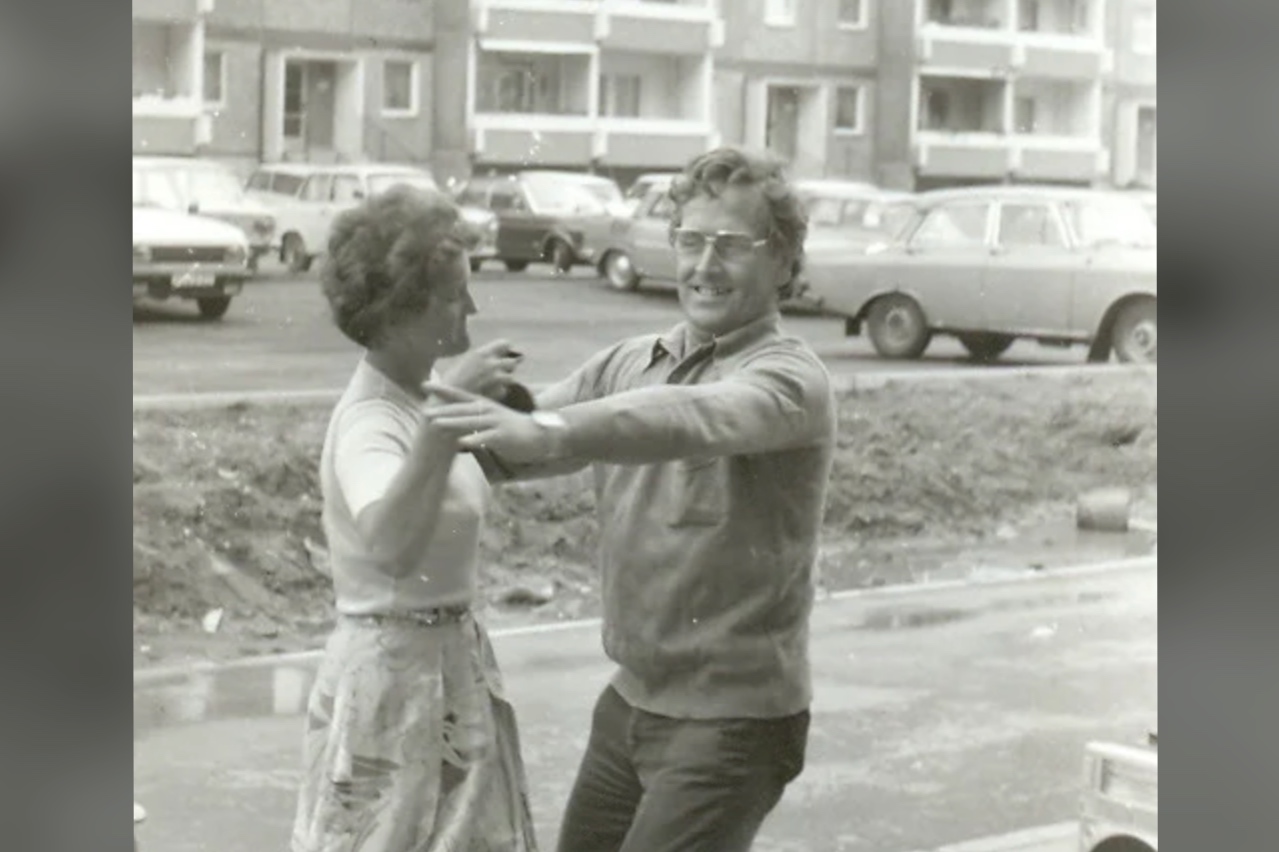
The exhibition ‘Platte. Life in the Large-Scale Housing Estate’ opens this evening at the Leipzig Forum for Contemporary History. The opening reception in the venue’s main hall marks the 50th anniversary of Leipzig-Grünau and explores GDR prefabricated housing as a social and cultural living space. The focus is on themes such as everyday life, neighbourhoods, settling in and social change.
Alongside photographs by professional photographers, the exhibition also features private photographs, documents and mementoes relating to moving in, neighbourhood life, everyday life, celebrations and living comfort. It sheds light on the upheaval following 1990 and current debates on the development of the neighbourhood. The opening event will feature the illustrator and graphic designer Halina Kirschner, her father, the photographer Harald Kirschner, and the author and musician Dmitrij Kapitelman. The event will be hosted by the journalist Carolin Büscher.
The opening reception is by invitation only. However, the exhibition itself will subsequently be on display from 3 July 2026 to 17 January 2027 at the Zeitgeschichtliches Forum Leipzig (Grimmaische Straße). Tuesday to Sunday, 10 am to 6 pm. Admission to the exhibition is free and no prior booking is required. You can read a detailed review at a later date in an article by our reporter Thomas Köhler.
Empfohlen auf LZ


So können Sie die Berichterstattung der Leipziger Zeitung unterstützen:




There is one comment