Dieser Artikel ist auch in deutscher Sprache verfügbar: Zum deutschen Artikel.
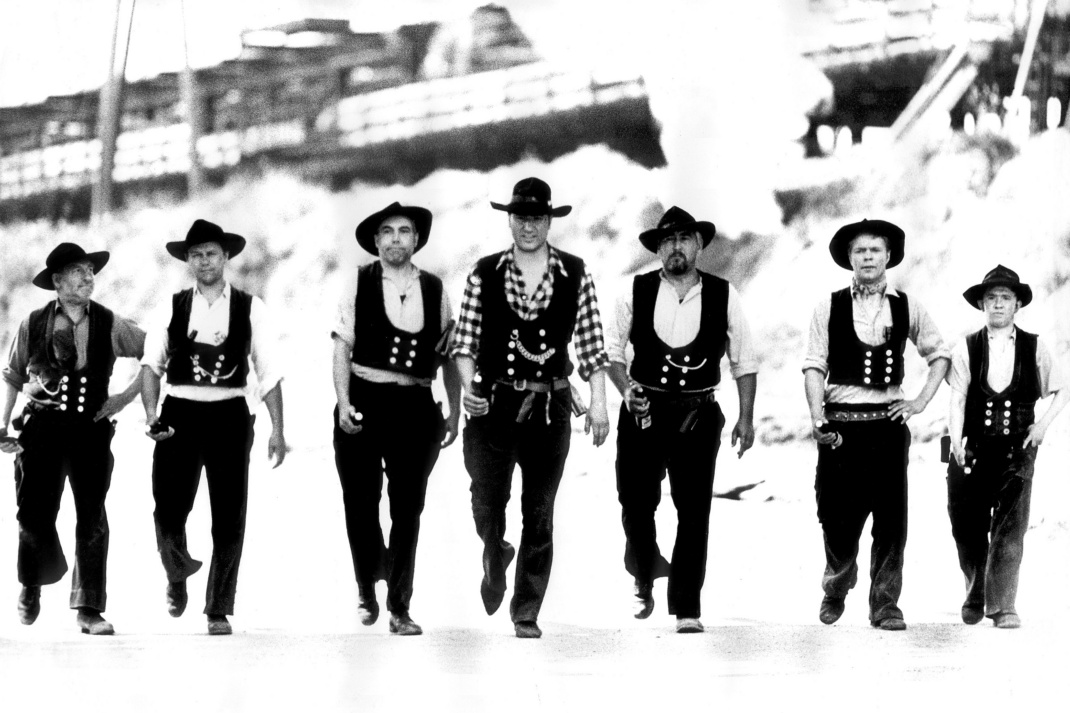
The Balla Carpenters’ Brigade was already legendary even before almost anyone had seen it in action. The film in which it plays the leading role was banned in 1966, yet the legend endured until its re-release in 1989. Today, the lads are turning up at UT Connewitz. Two events are tackling anti-Semitism in football and the future of our ecosystems. Night-time commuters and party-goers heading south will need to allow for a detour around a building site.
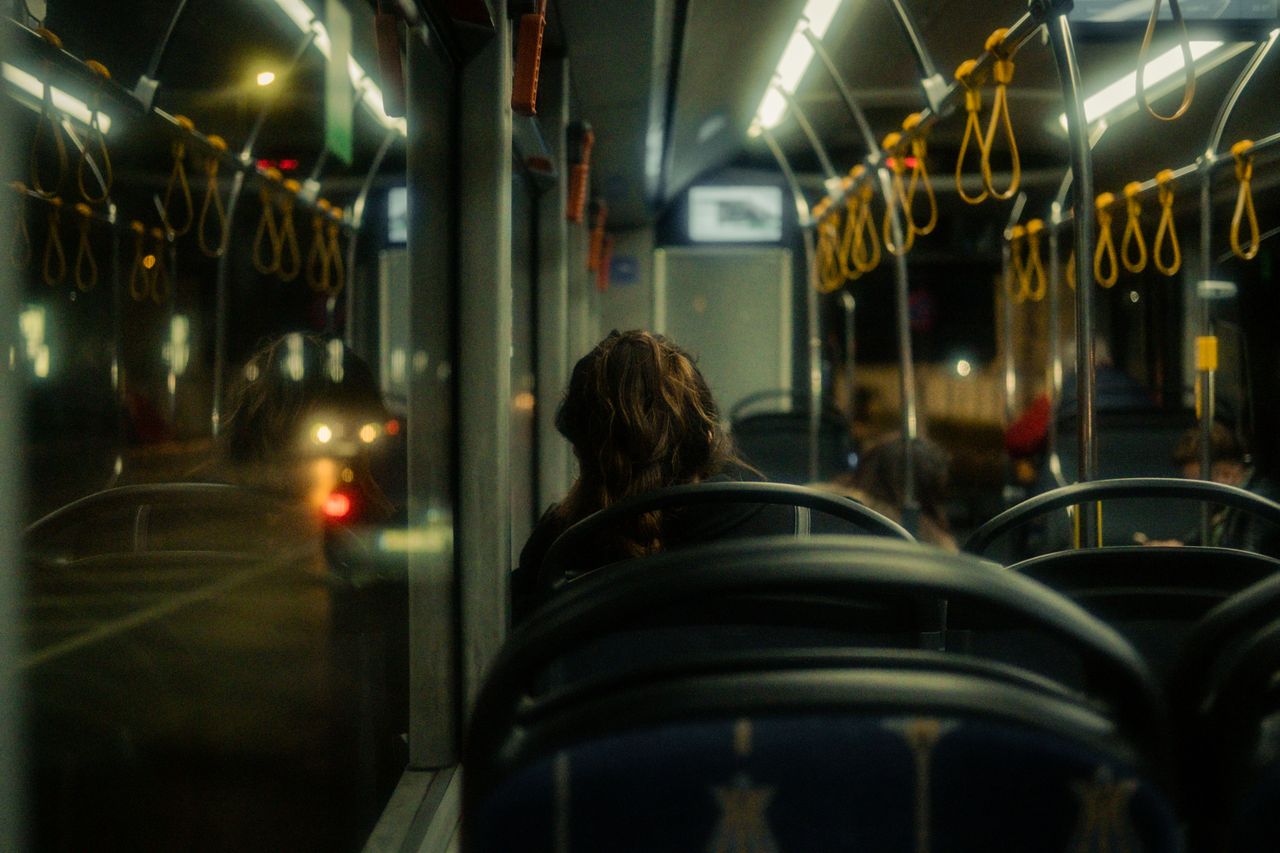
Night bus to the south is on a diversion
Since the early hours of the morning, night owls in the south of the city have had to adjust to a changed route. Due to roadworks on Karl-Liebknecht-Straße, the ‘Nightliner’ N9 towards Markkleeberg is operating via a diversion. The latest traffic update from Leipziger Verkehrsbetriebe (LVB) has been in effect since 1.00 am today and is marked ‘until further notice’. For the N9, the diversion begins at the Hohe Straße stop and runs via Körnerstraße, August-Bebel-Straße and Kurt-Eisner-Straße to the Karl-Liebknecht-/Kurt-Eisner-Straße stop.
The ‘Nightliner’ services N1 to N9 depart daily at 1.11 am, 2.22 am and 3.33 am from the main station. The diversion is due to the next phase of construction work on Karl-Liebknecht-Straße, which, according to Leipziger Wasserwerke, has now begun between Alfred-Kästner-Straße and Kurt-Eisner-Straße. According to a statement, trams on Karl-Liebknecht-Straße are running as normal despite the roadworks. The pavements also remain accessible. Cyclists are advised to follow the signposted diversion for motor vehicles whilst the works are in progress.
Anyone using the N9 towards Markkleeberg should also bear in mind that there is already another long-term restriction in place there. Due to roadworks on Rathausstraße, the route has been diverted since March. The N9 runs from Markkleeberg towards the main station, departing from the ‘Markkleeberg, S-Bahnhof’ stop via Friedrich-Ebert-Straße and Breitscheidstraße. As a result, the stops Markkleeberg, Ring, Markkleeberg-West, Gautzscher Platz and Sonnesiedlung are not served. According to the latest information from the LVB, this diversion is expected to remain in place until December 2026.
There is no special night bus surcharge for the N9. According to the LVB, regular tickets for fare zone 110 – or for the fare zones traversed on the respective journey – are valid on the ‘Nightliners’. Since 1 August 2026, a single ticket for Leipzig fare zone 110 has cost 3.80 euros, and a short-distance ticket 2.50 euros. For journeys on the N9 beyond Leipzig’s city limits to Markkleeberg, the required ticket depends on the fare zones actually travelled through.
An overview of all ticket options, fare zones and prices is available ONLINE HERE on the transport authority’s website.
Traces of Stones and Cobblestones
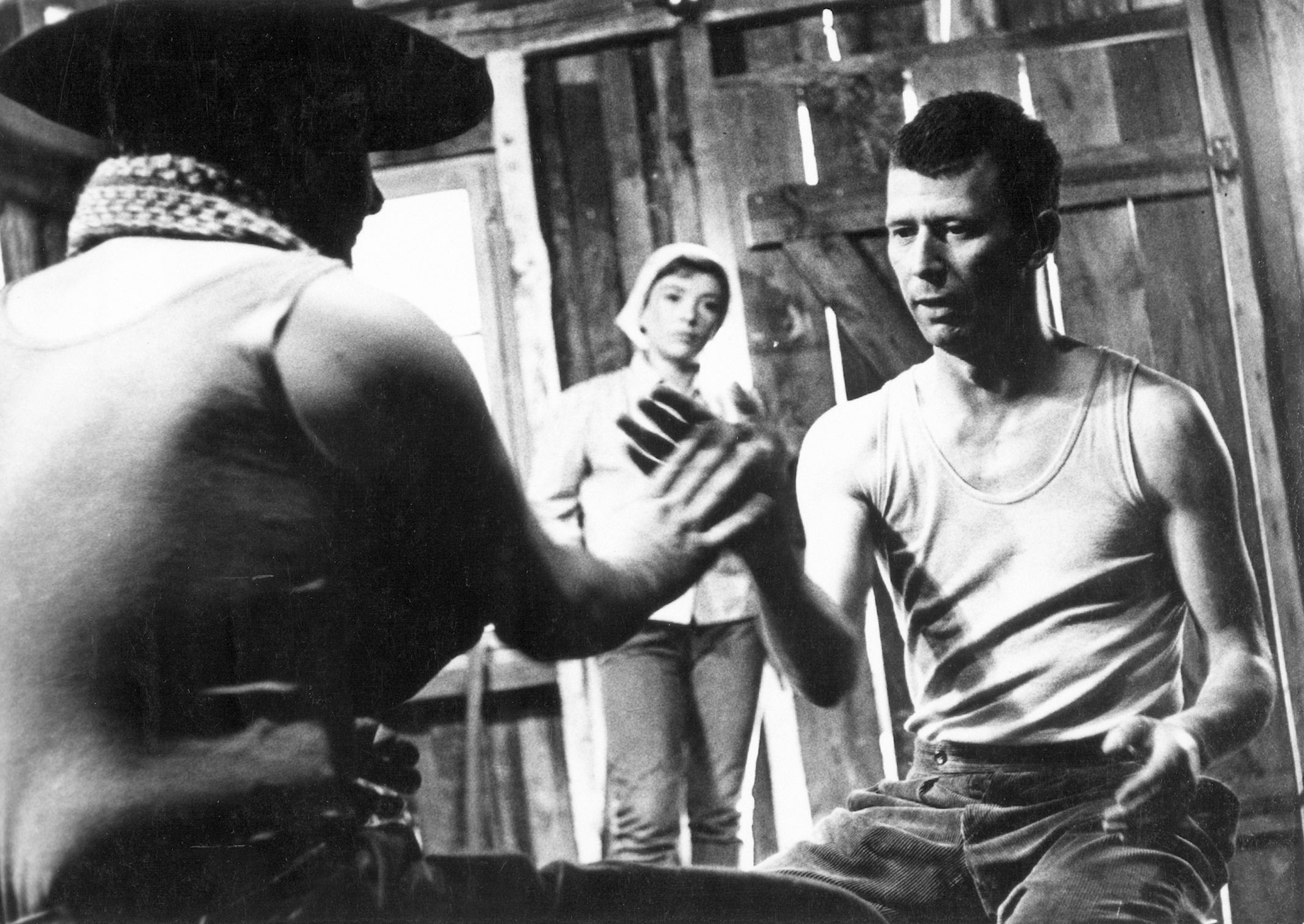
Because Frank Beyer’s portrayal of botched work, the fulfilment of quotas and a morally questionable party secretary within the GDR leadership caused a stir, his film *Spur der Steine* was locked away in the ‘poison cabinet’ immediately after its premiere. With a special screening of the film, the Centre for Building Culture in Saxony (ZfBK) continues its ‘Architecture in Film’ series this evening at the UT Connewitz.
The focus of the film, released in 1966, is not on the buildings themselves, but on the people who constructed them under socialism: construction workers and, in particular, carpenters. “Spur der Steine” tells the story of foreman Hans Balla, played by Manfred Krug, who works on the large-scale building site in Schkona and drives his team of carpenters to peak performance using unconventional methods. In the process, he clashes with the new party secretary, played by Eberhard Esche. At the same time, the two men are competing for the affections of a woman, portrayed by Krystyna Stypułkowska.
It was not until 1989 that Frank Beyer’s work was rehabilitated. Today, the DEFA production is regarded as a significant piece of film history and will outlive by generations the narrow-minded officials responsible for its former ban.
Before the film begins at around 7 pm, the focus of the evening will be on Leipzig’s urban landscape. To kick things off at 6 pm, Nora Gitter, coordinator for built environment, will welcome the visitors. Dr Stephanie Weismann from the Leibniz Institute for the History and Culture of Eastern Europe (GWZO) will then present the concept behind ‘Leipzig’s Pavement Stories’. The project aims to encourage people to contribute personal experiences and anecdotes about paving in the city, thereby collectively documenting the city’s history. Examples include the remaining fragments of wooden paving at the Old Town Hall, as well as copper slag stones beneath the tarmac on Thomasiusstraße.
The ZfBK organises the ‘Architecture in Film’ series in cooperation with the City of Leipzig. Once a month, it presents cinema and television productions in which architecture is depicted in an outstanding manner or explored as a theme. Admission to the events is free on each occasion. The next event will take place on 22 September at 6 pm at the Grassimuseum. Duki Dror’s film ‘Erich Mendelssohn – Visions for Eternity’ is on the programme. Further information and the programme for the second half of the year can be found online at www.leipzig.de/netzwerk-baukultur.
Football and anti-Semitism
Monty Ott and Ruben Gerczikow are presenting their book “Juden auf dem Platz, Juden auf den Rängen” (Jews on the pitch, Jews in the stands) today at the Erich Zeigner House in Leipzig and discussing anti-Semitism in football. The evening will focus on the manifestations of anti-Semitism in football, the everyday experiences of those affected, and the responsibilities of clubs, fans and associations.
Ott and Gerczikow aim to provide insights into their research and contextualise the current situation. The book explores the realities of Jewish life in football and brings together stories from Jewish people as well as from those who campaign against anti-Semitism. Among other things, it addresses solidarity, exclusion and Jewish perspectives on football.
The Erich Zeigner House is combining the book launch with a socio-political discussion: the event aims to raise awareness of anti-Semitism, open up different perspectives and encourage reflection on one’s own behaviour. At the same time, the event will explore how anti-Semitism in football can be brought to light and what options exist for countering it.
The event begins at 6.30 pm at the Erich Zeigner House, Zschochersche Straße 21, 04229 Leipzig. Admission is free; no registration is required.

The Future in a Changing Climate
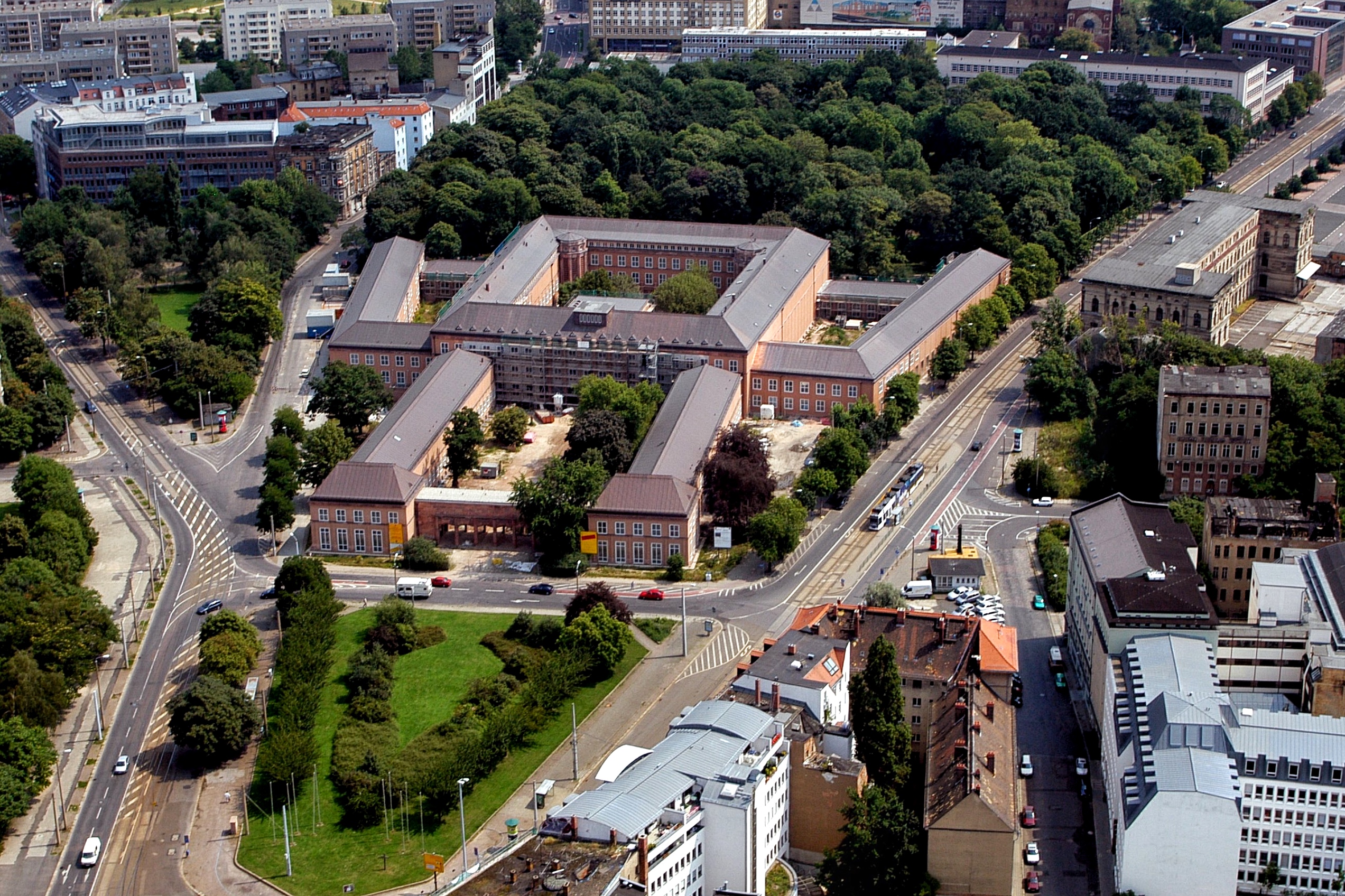
Which ecosystems will persist in Central Europe in the future as the climate and land use continue to change? Dr Stefan Klotz will address this question today in a lecture organised by the Leipzig Geographical Society at the GRASSI Museum.
Under the title “Biogeographical Research in Times of Climate and Land-Use Change: Flora, Fauna and their Ecosystems”, the scientist will speak at 6 pm in the museum’s cinema at Johannisplatz 5–11. Admission is 5 euros; it is free for members of the Geographical Society.
Klotz is investigating how the occurrence and spatial distribution of organisms change over time. His focus is on developments throughout Earth’s history and current patterns of biodiversity, as well as on potential changes to flora, fauna and entire ecosystems under the conditions of climate and land-use change. For Central Europe, the particular focus is on the “ecosystems of our future”.
The lecture will also demonstrate the scientific methods used to investigate such developments and assess potential future changes. The speaker has close ties to environmental and biodiversity research in Central Germany.
Klotz was a long-standing researcher and head of research at the Helmholtz Centre for Environmental Research – UFZ. From 1996 to 2022, he headed the Department of Biocoenosis Research there, and from 2017 to 2022 he also led the research area ‘Ecosystems of the Future’. His main areas of scientific research include plant ecology, biogeography and biological invasions, as well as the consequences of land-use and climate change for biodiversity and ecosystem dynamics.
Empfohlen auf LZ


So können Sie die Berichterstattung der Leipziger Zeitung unterstützen:




There is one comment