Dieser Artikel ist auch in deutscher Sprache verfügbar: Zum deutschen Artikel.
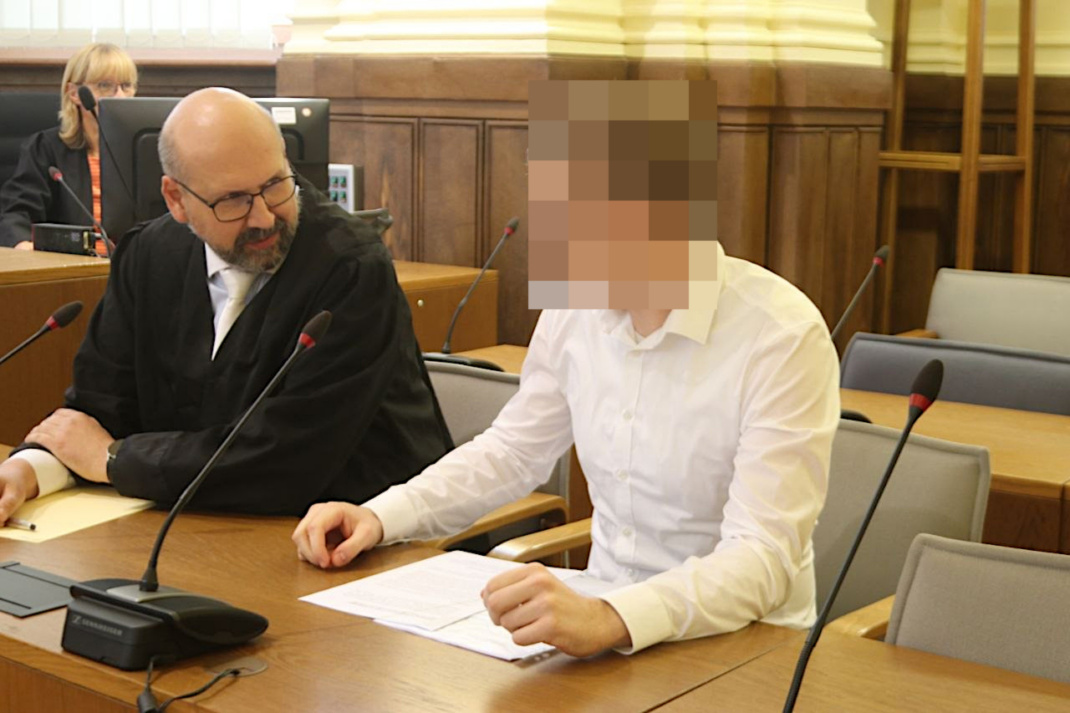
The scam was simple – and worked for years until his arrest in early 2026: using a false identity, a young man ordered high-end electronics from online retailers, for which he claimed a refund following a bogus return, without actually returning the goods. Instead, he sometimes sold some of the goods on. Since Monday, 20 July 2026, the 28-year-old has been standing trial at Leipzig Regional Court.
Anyone who wants to commit fraud will find a way, one that is sometimes alarmingly simple and effective: this is perhaps how the case of Simon B. (name changed)
could be described. The 28-year-old has been standing trial at the Leipzig Regional Court since Monday on charges of commercial forgery of evidence-relevant data, commercial computer fraud in 53 cases, and one serious case of attempted joint fraud.
Massive numbers of orders using fake accounts
According to the indictment, the reading of which took over two and a half hours, Simon B. is alleged to have decided in 2019 to use criminal activity to generate a permanent source of income to support himself. Between October 2020 and January 2026, he is alleged to have ordered expensive electronic goods – including MacBooks, DSLR cameras, professional lenses, an iPhone and a graphics card – from well-known online retailers using fake accounts he had set up himself: items in the four-figure price range.
Simon B. personally collected the high-value goods from parcel shops and petrol stations in Leipzig, as well as from other locations in Saxony and across Germany, presenting a power of attorney in the name of non-existent customers with fictitious names such as ‘Max Vogel’, ‘Frank Richter’, ‘Felix Silberbach’ and similar. To back this up, Simon B. is said to have presented driving licences, some of which were forged.
Shortly after collection, he reportedly registered the orders for return, in some cases sending in certificates or posting parcels which, of course, usually did not contain the original goods. Simon B. simply kept these items to sell them at a profit via resale platforms: “In fact, as intended, no goods were returned,” said prosecutor Alexander Scherf-Strödel. However, customer service centres, assuming that the order had been duly returned, had already refunded the purchase price to Simon B.
Defendant: I regret my actions
Investigators estimate the total losses to amount to more than 224,000 euros. In a statement agreed with his lawyer, Tino Gunkel, the defendant meekly admitted to the charges on Monday: “I fully admit to the offences,” he stated. It was true that he had been looking for a source of income; he wanted to take responsibility and apologise.
“I couldn’t stop. It was like a compulsion,” said Simon B., attempting to explain his criminal behaviour. According to his own account, he used the proceeds to buy things that were supposed to satisfy him, but which then mostly just lay around unused. However, he said that he often did not spend the illegally obtained money at all. He was aware that he had caused harm to sellers and disappointed many people, especially his parents.
When he was remanded in custody in early 2026 following extensive searches, he said this had been a wake-up call for him, “that I cannot continue down this path in life”. The young man insisted that he was prepared to accept any prison sentence he might face and wanted to catch up on his secondary school leaving certificate.
Charges also brought against alleged accomplice
Subsequently, on Monday, in response to questions from the criminal division and the prosecution, the 28-year-old described in detail, amongst other things, how he had manipulated identity documents using image-editing software and how calculated his approach to placing orders had been. For instance, he took care to order only electronic goods whose resale value was at least equal to the purchase price – so as not to make a loss if the refund of the money initially paid failed to go through.
Simon B. is alleged to have been assisted by an employee at a parcel collection point in relation to some of the offences with which he is charged. The woman was also said to have been involved when Simon B. attempted to claim around 7,000 euros in damages from a transport provider in civil proceedings: The defendant falsely claimed to have returned goods to the provider. According to the court, separate charges were brought against the alleged accomplice in May 2026.
Confession to be rewarded
During house searches in the spring of 2026, investigators had seized large sums of cash and parcels from Simon B. Funds are also said to remain deposited in bank accounts. In any case, Simon B. made the right decision by confessing and cooperating with the investigators: “We will, of course, take this into account when determining the sentence,” said presiding judge Rüdiger Harr.
Two further days have now been scheduled for the trial. As things stand, a maximum sentence in the range where the Regional Court’s jurisdiction actually begins is conceivable, according to the presiding judge: in Germany, Regional Courts have jurisdiction as the court of first instance in criminal cases where a conviction carries a sentence of more than four years’ imprisonment.
Empfohlen auf LZ


So können Sie die Berichterstattung der Leipziger Zeitung unterstützen:





There is one comment