Dieser Artikel ist auch in deutscher Sprache verfügbar: Zum deutschen Artikel.
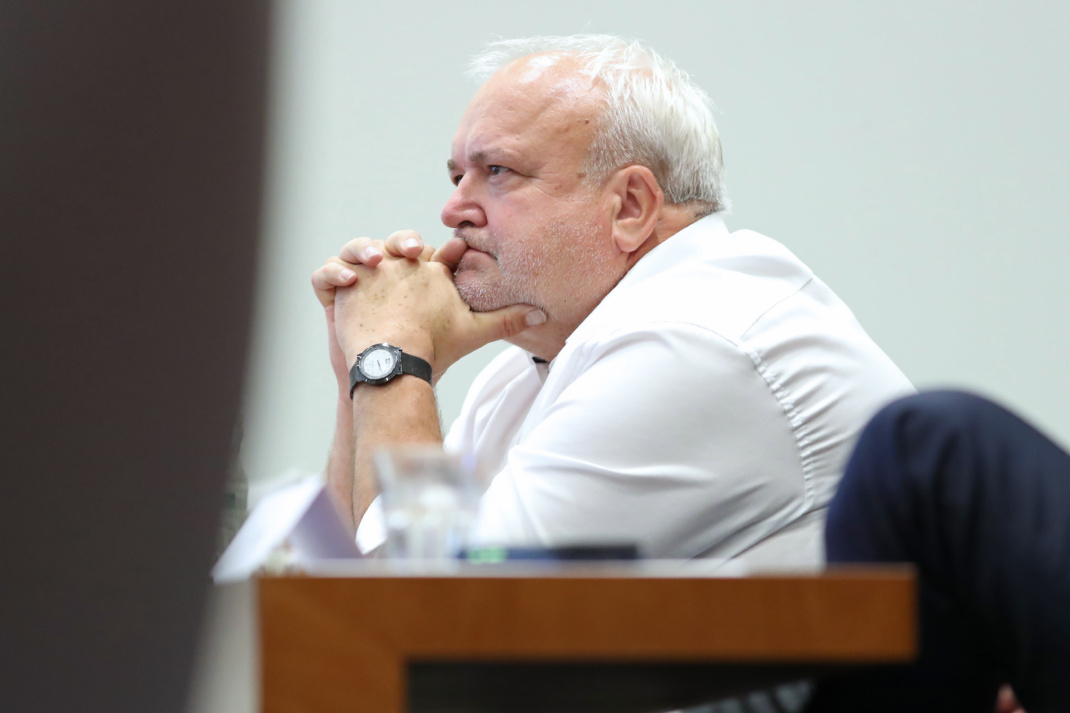
At the council meeting on 1 July, zoo director Dr Jörg Junhold was also sitting on pins and needles amongst the audience. The issue at stake was whether he would be able to complete his life’s work – the ‘Zoo of the Future’ – by 2028 at the latest, when Leipzig Zoo celebrates its 150th anniversary. The mega-project was originally due to be completed in 2027. However, there were construction delays, and a significant section – the Asian Island Worlds – had to be completely redesigned. As recently as 2022, the city council had approved 64 million euros for the completion of the final phase of the “Zoo of the Future”.
One problem with completing the ‘Zoo of the Future’ is, of course, that it is a true generational project. The basic plans for the third development phase were drawn up in 2012. Since then, standards, public expectations and species conservation regulations have also evolved.
In the meantime, the plans for ‘Feuerland’ in particular had to be revised once again because – as CDU city councillor Sabine Heymann pointed out at the council meeting on 1 July – the Department for Urban Greenery and Waterways felt that it was essential to keep open the option of extending the Pleißemühlgraben to the zoo.
It was not so much the city council that complicated the planning for the zoo, but – according to Heymann – various departments. Added to this are the massive increases in construction costs over recent years. As a result, the sum approved by the city council in 2022 has risen significantly.
Every delay makes it even more expensive
The proposal from the Department of Culture reads as follows: “The strategic business concept ‘Zoo of the Future’ encompasses construction work on the themed worlds of the third development phase that is currently still pending or underway, with a total cost of €84.0 million. This results in an additional funding requirement of approximately €22.0 million for the third development phase compared with City Council resolution VII-DS-07486 of 9 November 2022. The cost increase is primarily attributable to the ‘Asian Island Worlds’ themed area, in terms of its content and design.
Option 1, based on the zoological concept from 2012, is outdated, particularly in terms of animal welfare regulations and increased visitor expectations. It could still be implemented if necessary, but would not meet the standards expected of a leading zoo or the competitive environment in the leisure market.
Option 2, recommended for implementation by Zoo Leipzig GmbH, was drawn up in accordance with the currently applicable standards for the care of mammals and birds and also meets visitors’ current needs to a high standard. Furthermore, the requirements under heritage legislation regarding the ‘New Bird House’ have been taken into account.”
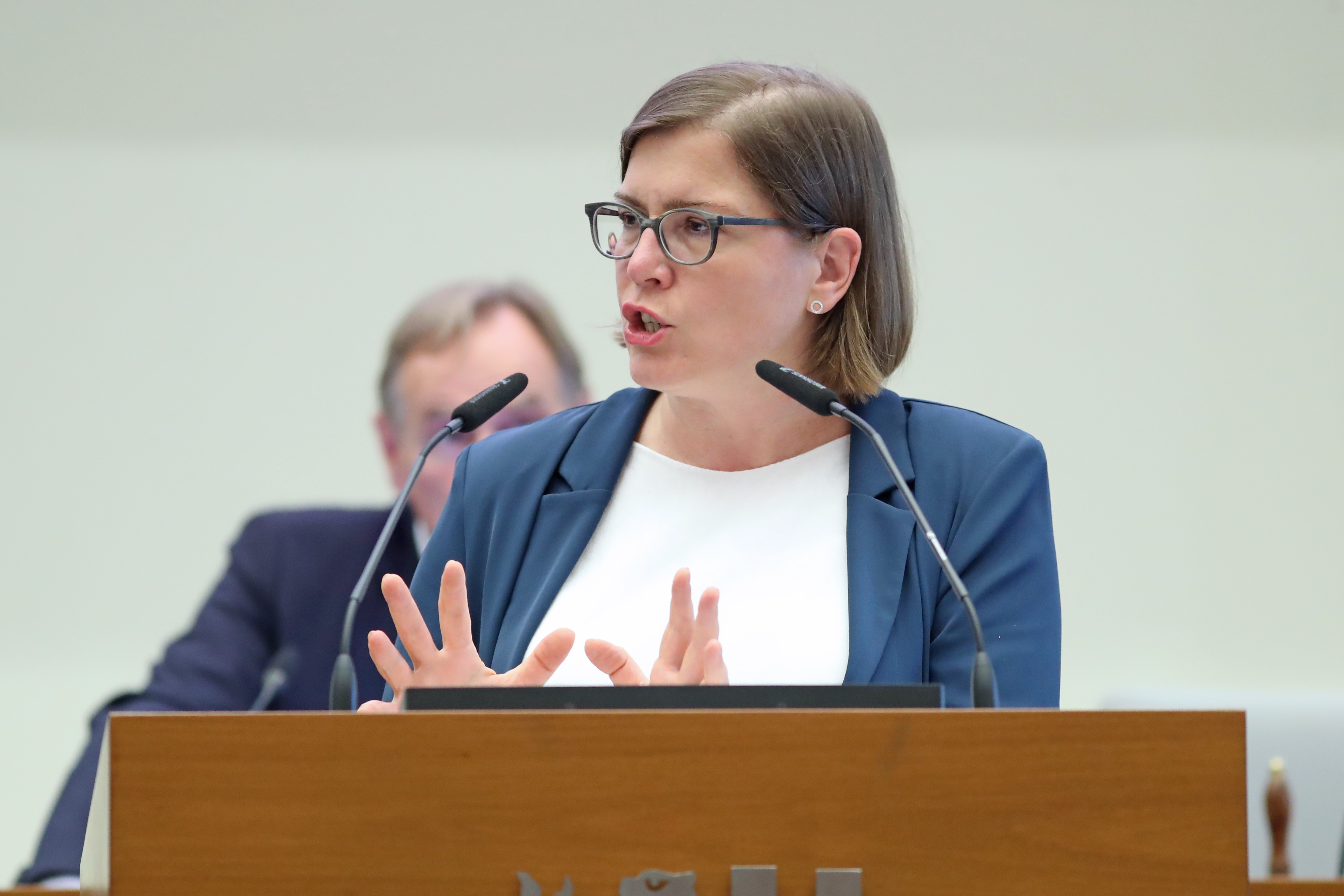
A real bone of contention, which was actually already on the table in the last two-year budget. “We decided to postpone it once again,” said Skadi Jennicke, Councillor for Culture, on 1 April. The hope was that the financial situation of the City of Leipzig, which was already strained at the time, would ease again. But the opposite has happened: the financial situation has worsened further.
It is only too understandable that the Green Party group now suggested that this hefty sum could be reduced somewhat by commissioning the zoo to investigate whether individual parts of the overall package could be postponed until after 2030. Green Party city councillor Sylvia Herbst-Weckel spoke of 7.6 million euros that could be deferred in this way.
But Skadi Jennicke expressed her fear that this would end up costing even more.
Can the fee regulations be amended now?
The Left Party group had other concerns as well, as many concessions – particularly for vulnerable groups, such as people with disabilities – have been removed from the zoo’s fee schedule. Left Party city councillor Marco Götze argued that the Left Party’s approval of the zoo’s additional investment costs should be made conditional on a change to the fee schedule.
According to Skadi Jennicke, this is also not possible as things stand. This is because the zoo’s planning is based on the approved admission fees. The fee schedule cannot therefore be amended during the financial year.
Zoo director Junhold did, however, offer to discuss possible changes to the fee schedule with the Left Party faction. He has proposed a meeting for this in the autumn.
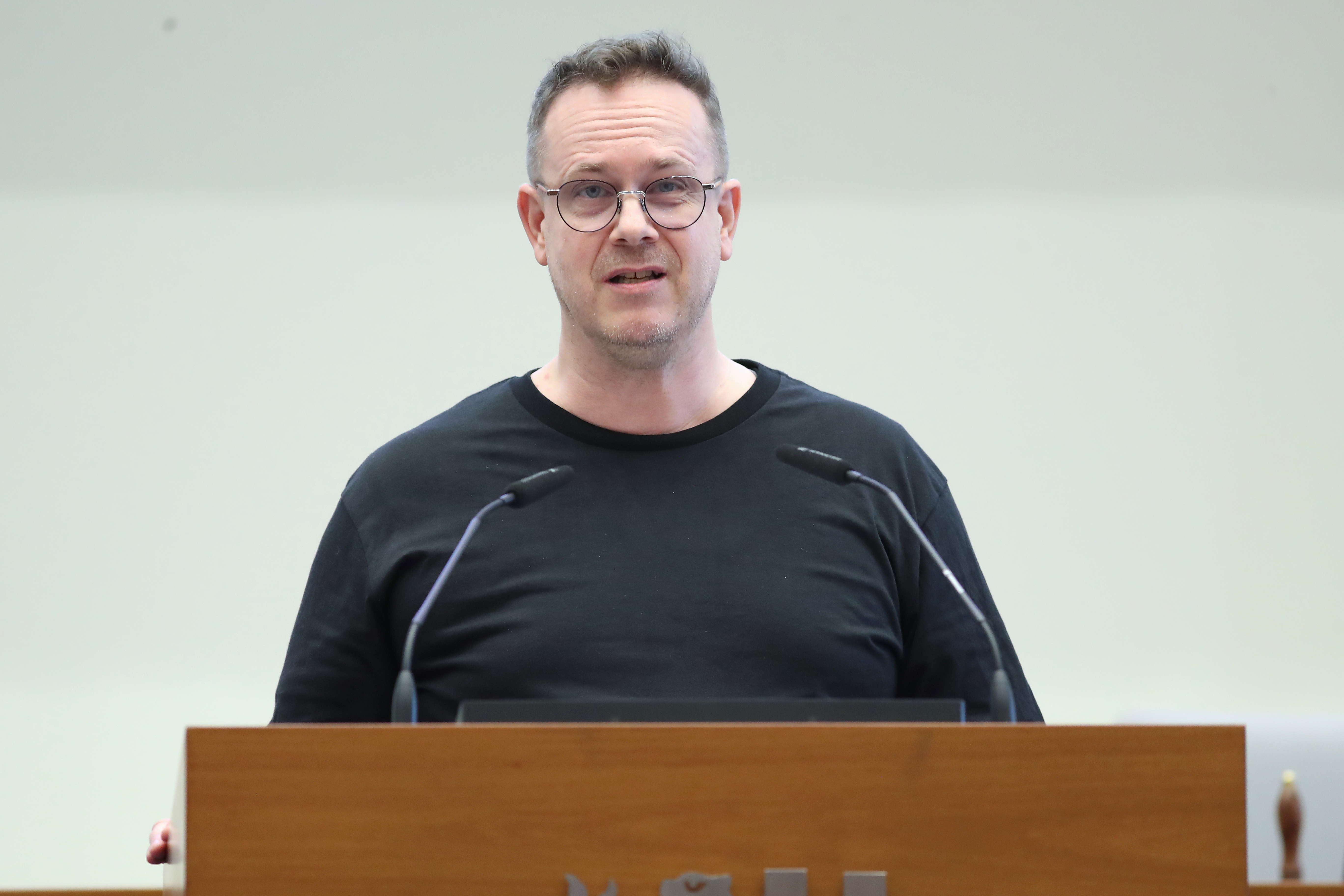
Marco Götze (Die Linke) at Leipzig City Council on 1 July 2026. Photo: Jan Kaefer
This presents a bit of a dilemma for the Left Party group, for whom Marco Götze had announced that they would not agree to the additional funding unless the fee regulations were amended. But 22 million euros at a time when Leipzig is struggling financially is a hefty sum. Skadi Jennicke also considered the Green Party group’s concerns to be justified, unlike CDU group leader Michael Weickert, who once again launched into one of his patronising lectures on financial matters.
The Greens’ parliamentary group leader, Dr Tobias Peter, accused him of insincerity and rejected his lecturing.
This did not alter the outcome, however, as the Greens’ proposal to postpone parts of the investment package until after 2030 was rejected by the council majority. It was clear that the council, too, was eager for the ‘Zoo of the Future’ mega-project – launched in 2000 – to finally be completed. The Left Party’s motion to revise the fee regulations was narrowly defeated.
The proposal itself then secured the necessary majority with 36 votes in favour, 4 against and 20 abstentions. Jörg Junhold – who looked visibly relieved in his seat – can now complete the final section, the “Tierra del Fuego” themed area, even though the completion date is now set for 2028, which might be just the right time to tie the grand finale in with the zoo’s 150th anniversary.
Empfohlen auf LZ


So können Sie die Berichterstattung der Leipziger Zeitung unterstützen:


There is one comment