Dieser Artikel ist auch in deutscher Sprache verfügbar: Zum deutschen Artikel.
Construction work is underway – both in the city and on the way there. Visitors from Chemnitz should expect longer journey times. On the plus side, train journeys to Döbeln are running smoothly again from today. For children on the school holidays, there are exciting discovery tours through the local council’s headquarters. And at the New Town Hall, the bell in the Goerdeler Monument rings out in commemoration of the resistance against Hitler on 20 July 1944.
Things are hotting up in Stötteritz
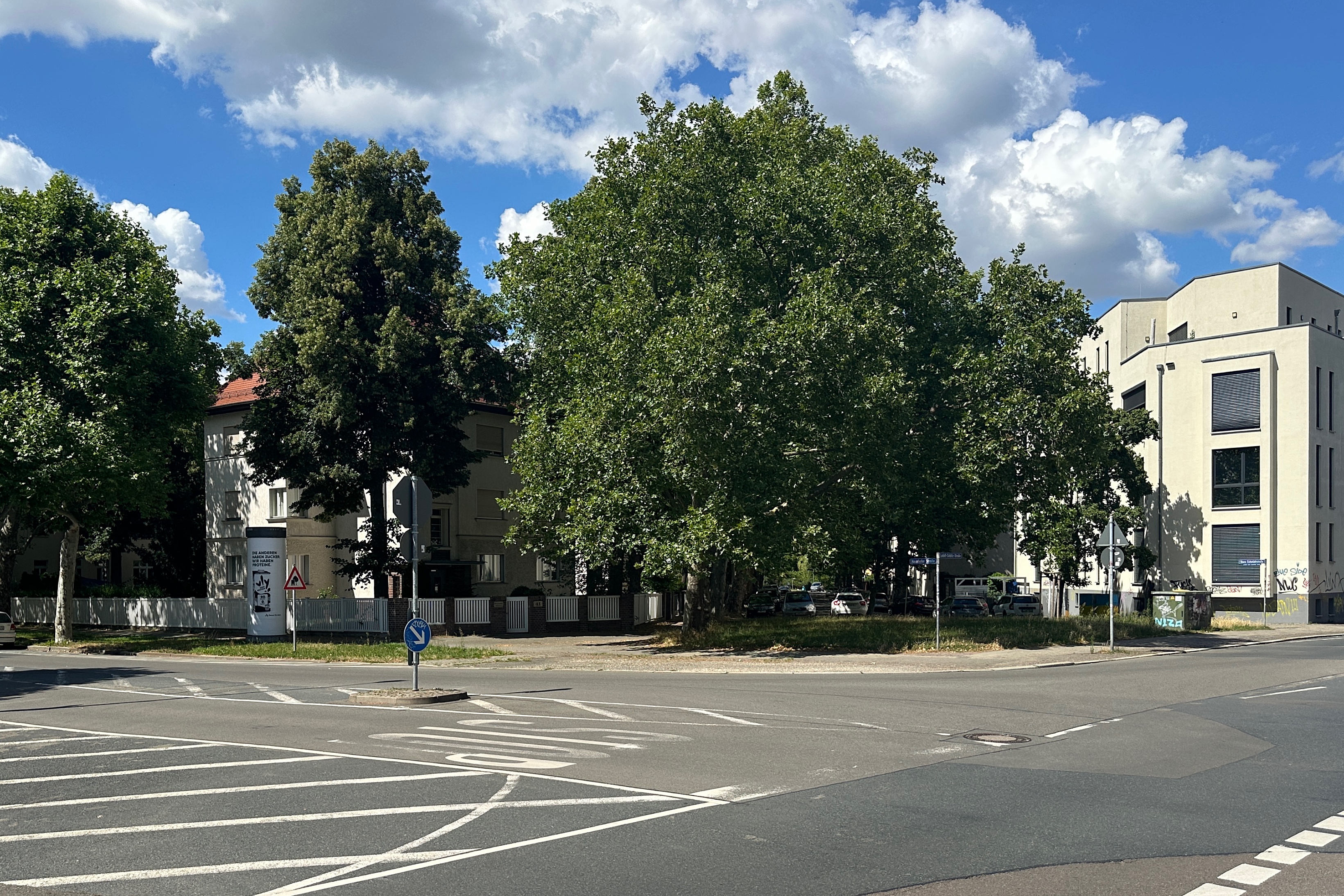
From today, things are hotting up on Naunhofer Straße! But only to ensure things run more smoothly in future… The city is setting up two temporary roundabouts to improve road safety in this area. The temporary roundabouts are being built at the junctions with Schönbachstraße and Ludolf-Colditz-Straße. The roundabouts will be marked out on the wide carriageway, secured with guidance elements and signposted. The project is estimated to cost around 267,000 euros.
According to current plans, the work is scheduled to be completed on 11 September. During the construction work, the respective junctions will be completely closed. Pedestrians and cyclists will be able to pass through the construction sites and will be guided around them accordingly. Local residents will be able to reach their destinations via neighbouring roads.
Whilst work is being carried out at the junction with Schönbachstraße, the diversion into the city centre will be via Kolmstraße and Kommandant-Prendel-Allee to Prager Straße, and out of the city via Ludolf-Colditz-Straße to Holzhäuser Straße. Whilst work is being carried out on the junction with Ludolf-Colditz-Straße, outbound traffic will be diverted via Kommandant-Prendel-Allee and Kolmstraße, and inbound traffic via Holzhäuser Straße and Schönbachstraße.
Before deciding on the temporary roundabouts, the city had examined various options for improving road safety on Naunhofer Straße, including changes to cycle routes, additional crossing points and a reduction in the speed limit. The idea for the roundabouts arose as part of an urban development project carried out in collaboration with local residents. Furthermore, there are plans for next year to designate the section of Naunhofer Straße south of Ludolf-Colditz-Straße as a cycle route. This proposal has also already been approved by the city council.
Risk of traffic congestion between Chemnitz and Leipzig
It was not only Leipzig’s tram network that suffered as a result of the recent heatwave (as reported by the LZ). Motorways were also affected and now require repairs. For motorists on the A72, this means restrictions from today. Due to necessary roadworks, the section of the Chemnitz motorway junction in the direction of Leipzig has been closed since 7 am over a stretch of around 500 metres.
According to Autobahn GmbH, new cracks have formed in the concrete carriageway – which was already damaged due to age – as a result of the prolonged heat. To prevent the carriageway from collapsing and thus posing a danger to traffic, urgent repairs are absolutely essential. Traffic is already being diverted at the Chemnitz-Mitte junction. The work is expected to continue into the night of 28–29 July.
The closure affects one of Saxony’s most important transport hubs. The A72 connects the Vogtland region, Zwickau and Chemnitz with Leipzig. Tens of thousands of vehicles pass through the motorway junction every day, including several thousand lorries. Consequently, the authorities expect significant disruption to commuter, delivery and holiday traffic. Increased traffic volumes and longer journey times are also to be expected on the designated diversion routes.
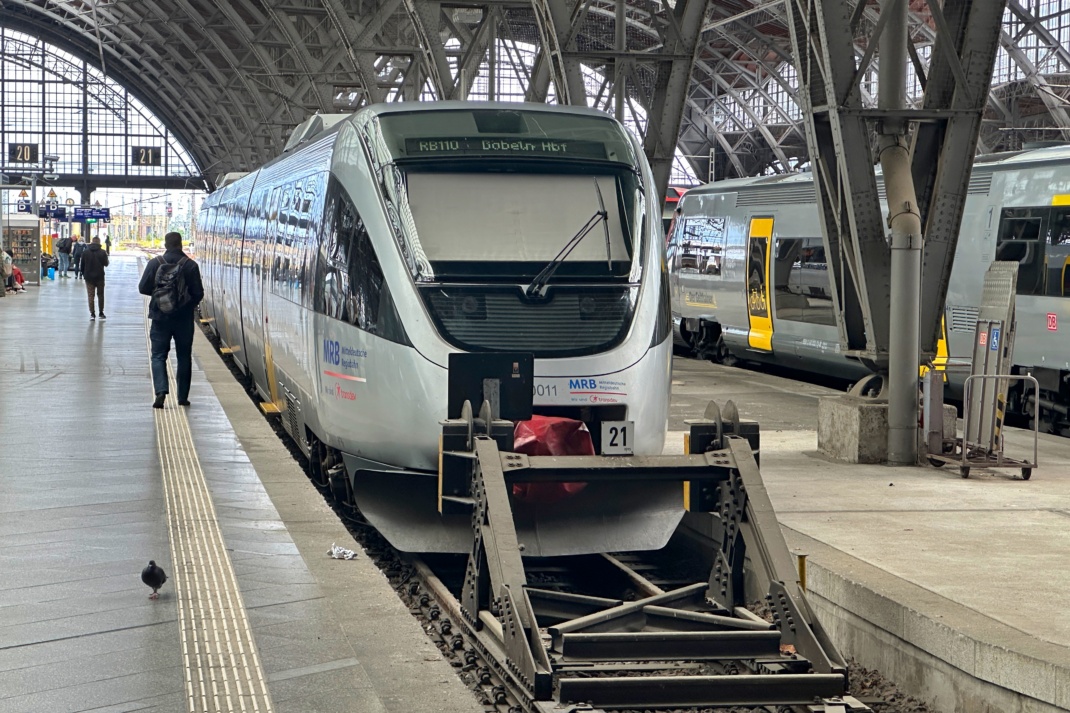
Uninterrupted travel to Döbeln
Due to maintenance work on the railway line between Leipzig and Döbeln, some train services had to be cancelled overnight or replaced by rail replacement buses. These buses transported passengers between Leipzig Central Station and Beucha. Trains are running as normal again from this morning.
There are frequent closures on the tracks between Leipzig and Döbeln. In fact, however, the disruption is mainly concentrated on the western section of the line between Leipzig and Borsdorf or Beucha. There, recurring night-time construction work is the main cause of restrictions to train services.
In addition, there are occasional longer periods of construction work on the rural sections of the Mitteldeutsche Regiobahn, as well as a few cancellations that are not due to construction work but are caused, for example, by faulty rolling stock.
Hourly chimes commemorate Goerdeler
Today, Leipzig commemorates the anniversary of the assassination attempt on Adolf Hitler on 20 July 1944 and, with it, Carl Friedrich Goerdeler, who served as the city’s Lord Mayor from 1930 to 1937, who resigned at the turn of the year 1936/37 in protest against Nazi policies and was executed because of his links to the circle around Claus Schenk Graf von Stauffenberg.
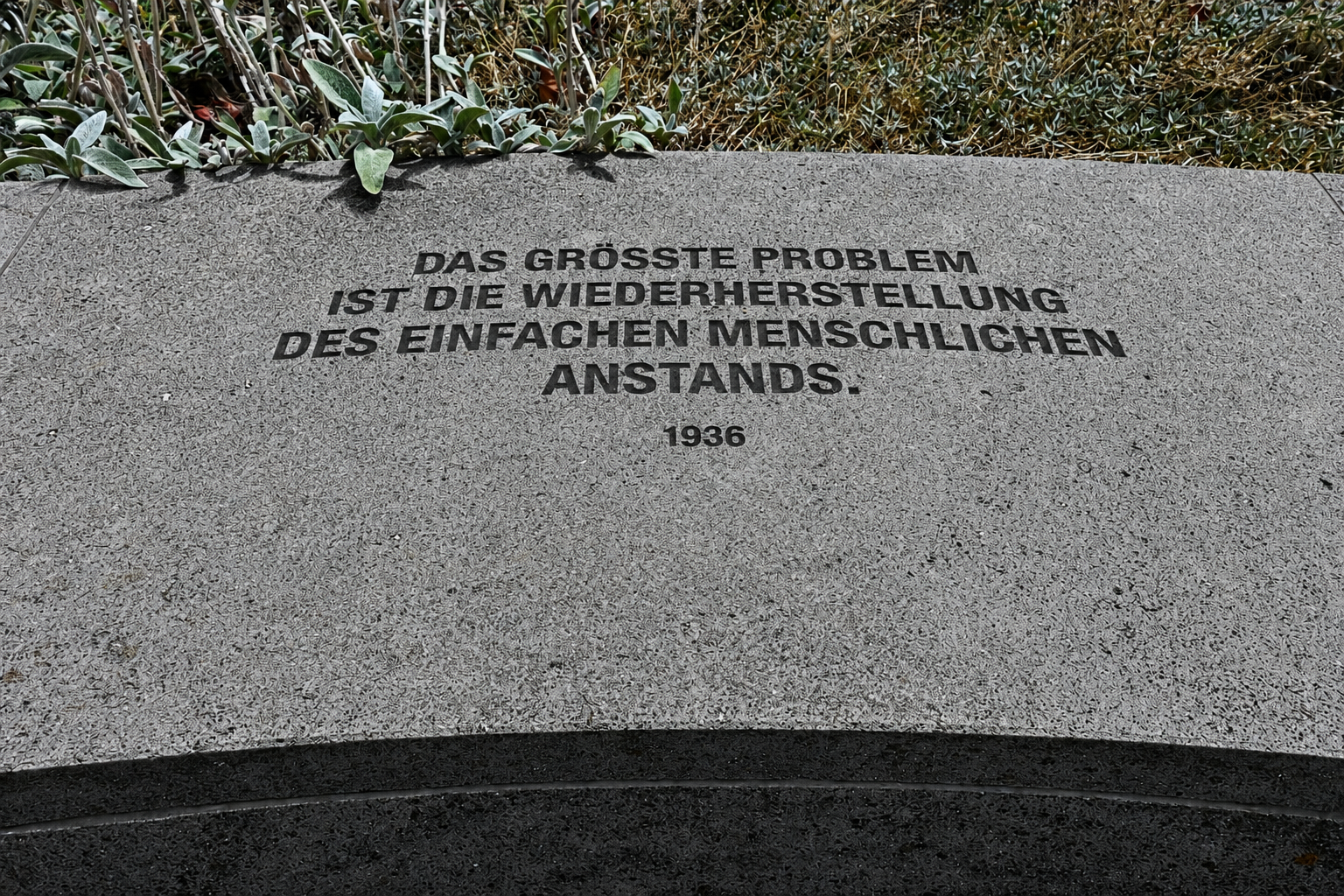
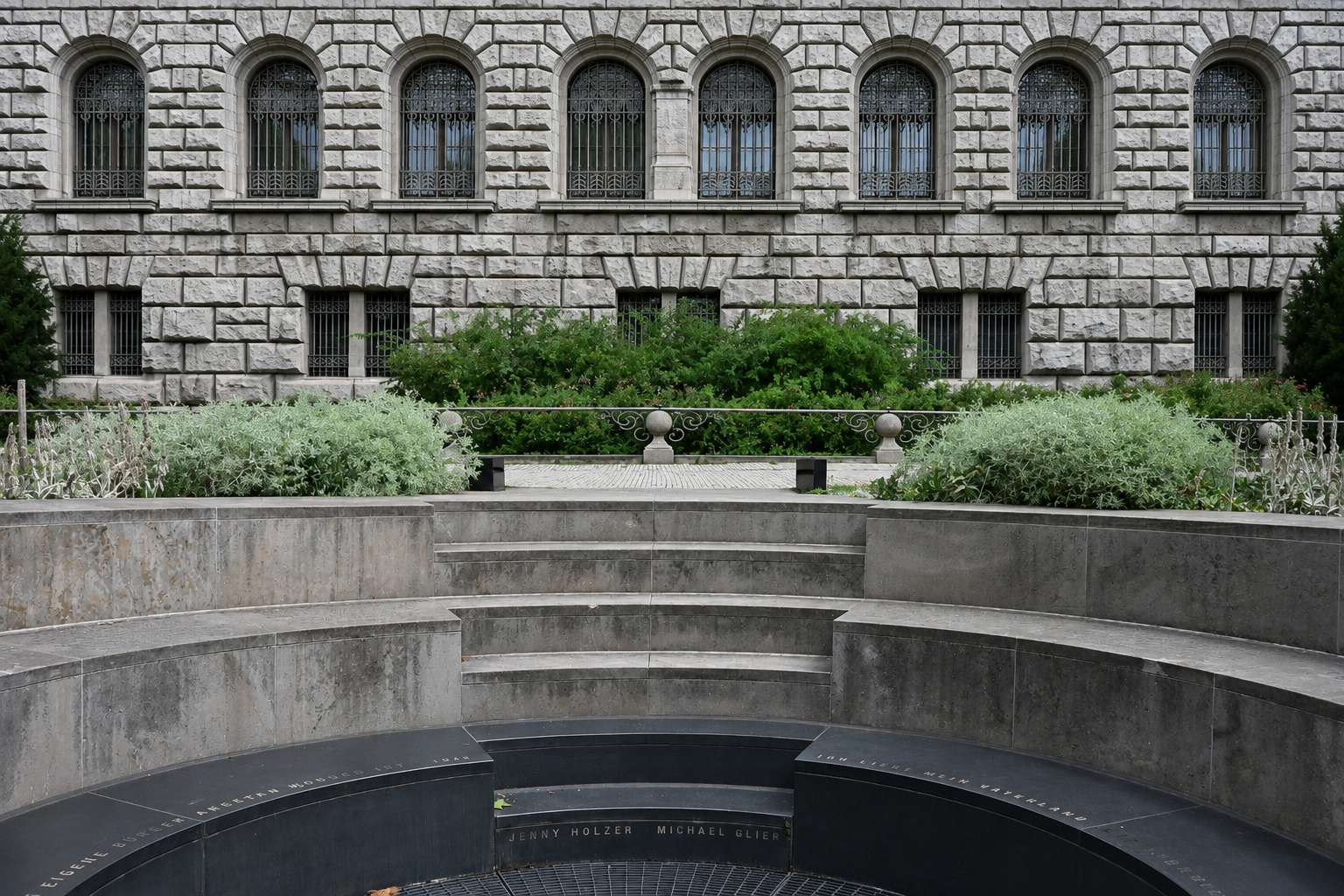
To mark the occasion, the bronze bell of the Goerdeler Memorial is ringing every hour today, five minutes before the hour. The memorial was erected by the City of Leipzig in 1999. It commemorates Goerdeler’s life and political work, which reflect the contradictions and challenges of German history in the first half of the 20th century.
The structure consists of a five-metre-deep bell shaft with a diameter of 2.75 metres, housing a bronze bell with a diameter of 1.20 metres and tuned to the note ‘E flat’. Above this lies a circular, walk-in structure with three stone steps made of Kirchheim shell limestone and granite (Nero Assolto), surrounded by planting.
The quotations, arranged in chronological order, were selected by Jenny Holzer and Michael Glier. The two artists, who live and work in the USA, won the international competition organised by the City of Leipzig in 1996 with their design. Regardless of specific commemorative days, the bell rings five times a day at 5.55 am, 11.55 am, 5.55 pm and 11.55 pm.
Goerdeler himself spoke out against the assassination of Hitler and advocated for his arrest. Although the destruction of the Mendelssohn monument in Leipzig by the Nazis was the trigger for his resignation, critics still accuse him to this day of having been an anti-Semite throughout his life. In Goerdeler’s view, even after a change of regime, civil rights should only apply to Jews with a sufficiently long ancestral history on German soil.
“Those who arrived later would have to leave the country,” writes historian Saul Friedländer in his book *The Third Reich and the Jews*, referring to Goerdeler’s plans. Following his execution on 2 February 1945 in Berlin-Plötzensee, the body of the former Lord Mayor of Leipzig was cremated and his ashes, as was the case with many political victims of the Nazi justice system, scattered at an unknown location. There is no grave for Goerdeler.
With newts to the New Town Hall
Everyone knows *Die Sendung mit der Maus*. But to play at being a little mouse yourself – in Leipzig, you can do just that with the help of newts. The city councillors are on holiday, as are many of the administrative staff. And yet there’s a creaking sound coming from the rafters of Leipzig Town Hall. That’s because, on an educational guided tour, children can literally get to the bottom of this magnificent building.
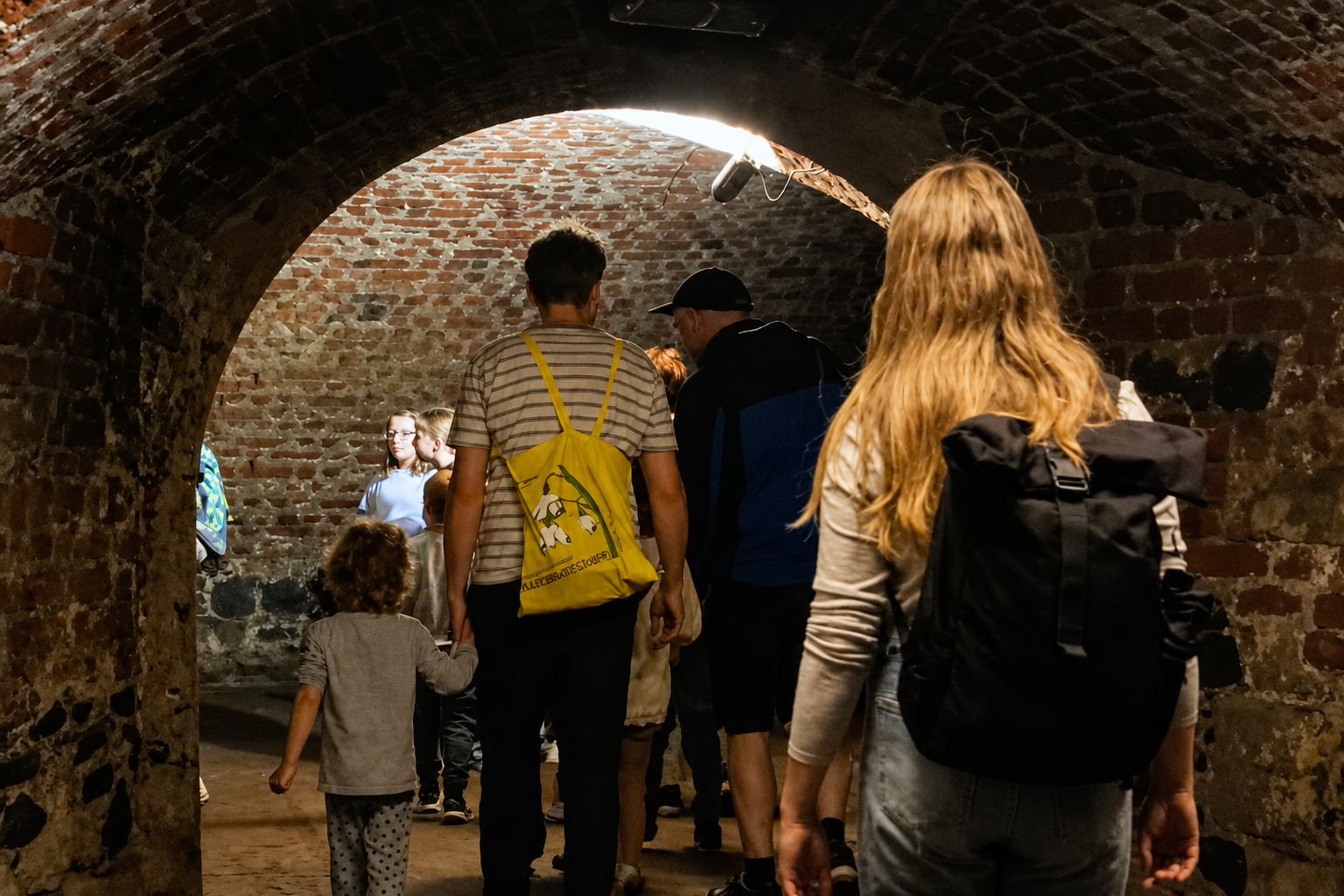
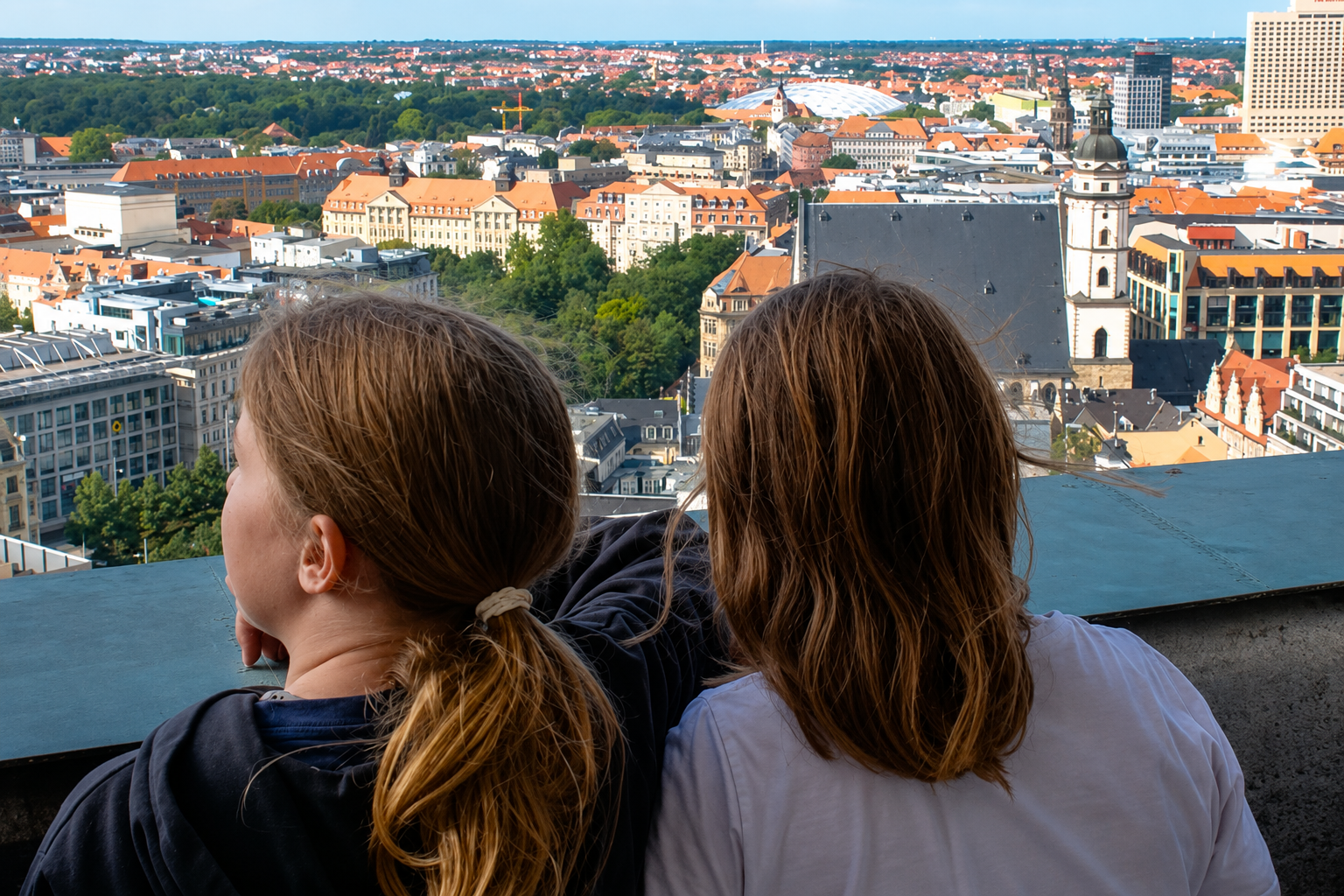
From the vaulted cellar through the council chambers to a view over the city from Germany’s tallest town hall tower, children aged between 6 and 14 can explore Leipzig’s administrative centre. The guided tours will take place on Thursday 23 July 2026, from 10 am to 12 noon, and on Friday 31 July 2026, from 4 pm to 6 pm.
Why is this important today, even though the tour takes place on Thursday? Because places are limited and demand is high. We therefore ask that you register in advance with the Leipzig Children’s and Youth Office by emailing rathausclub@dksb-leipzig.de. Adult companions are welcome (and should definitely not miss out on this rare opportunity!).
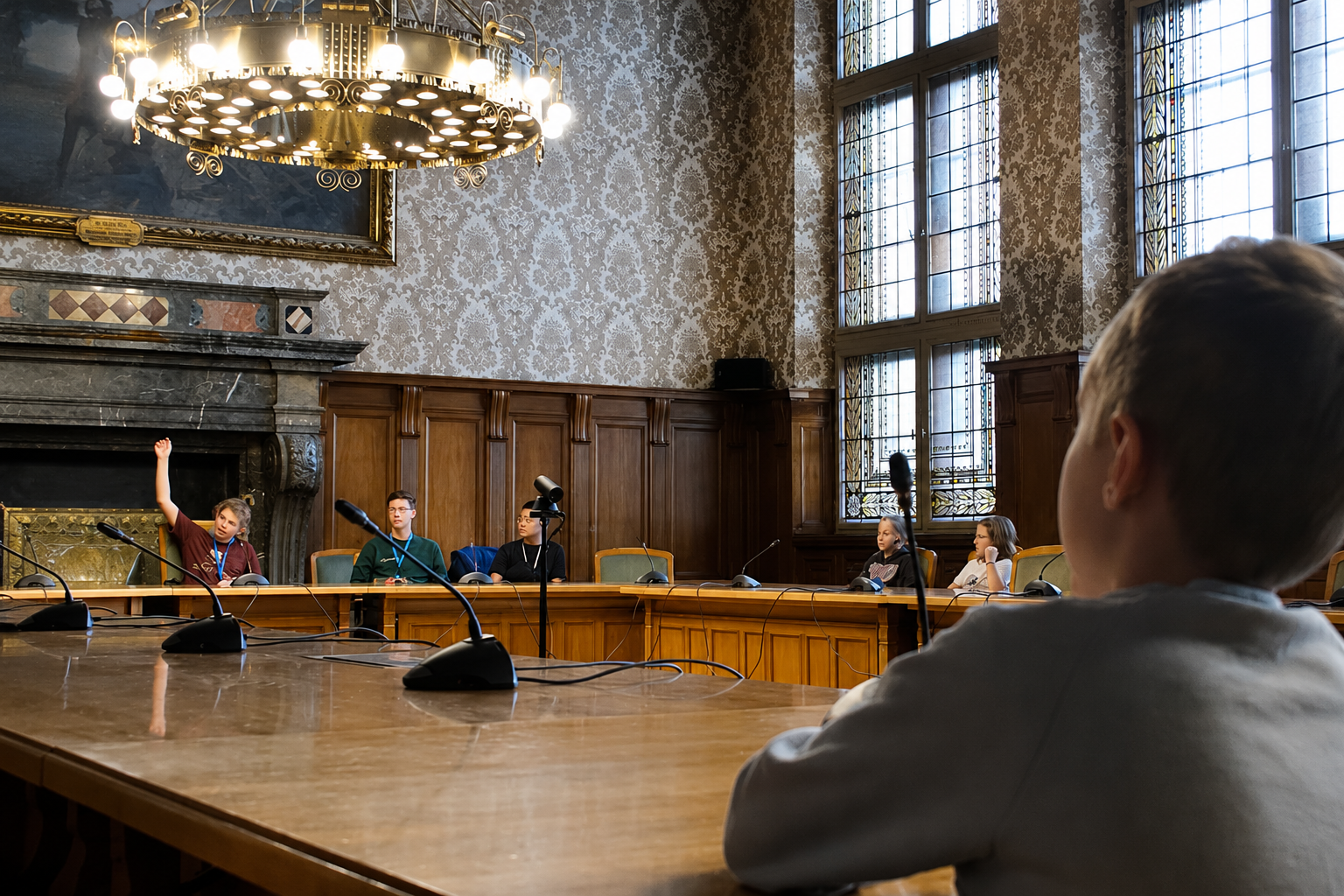
During the tour, the children will learn, amongst other things, when the New Town Hall was built, which animal motifs adorn the main entrance, and what decisions are made in the council chamber and how.
And what does all this have to do with the ‘Molche’? The tours are led by young people themselves. They’ve organised themselves through the Children and Youth Office of the Kinderschutzbund Leipzig e.V. And the first to offer such tours were Moritz, Oskar, Lotte and Charlotte. So it’s quite simple. Just as straightforward as the explanation of why this town hall, which looks like a stately castle, is still affectionately called ‘Pleißenburg’ by some Leipzigers. But one of the ‘Molche’ will let you in on that during the next game of ‘Mäusespiele’.
Empfohlen auf LZ


So können Sie die Berichterstattung der Leipziger Zeitung unterstützen:



There is one comment