Dieser Artikel ist auch in deutscher Sprache verfügbar: Zum deutschen Artikel.
Was it an attack or an attempt at sabotage? At the turn of the day, everything came to a standstill at the airport following a drone sighting. A state of emergency is also in force this afternoon around the Chemie-Stadion. There’s an anniversary celebration at Auensee today, to be followed by a major railway festival at the weekend. Wurzen is celebrating its famous son, Joachim Ringelnatz – and the town is awarding this year’s Future Prize.
Joy and concern as the Park Railway turns 75
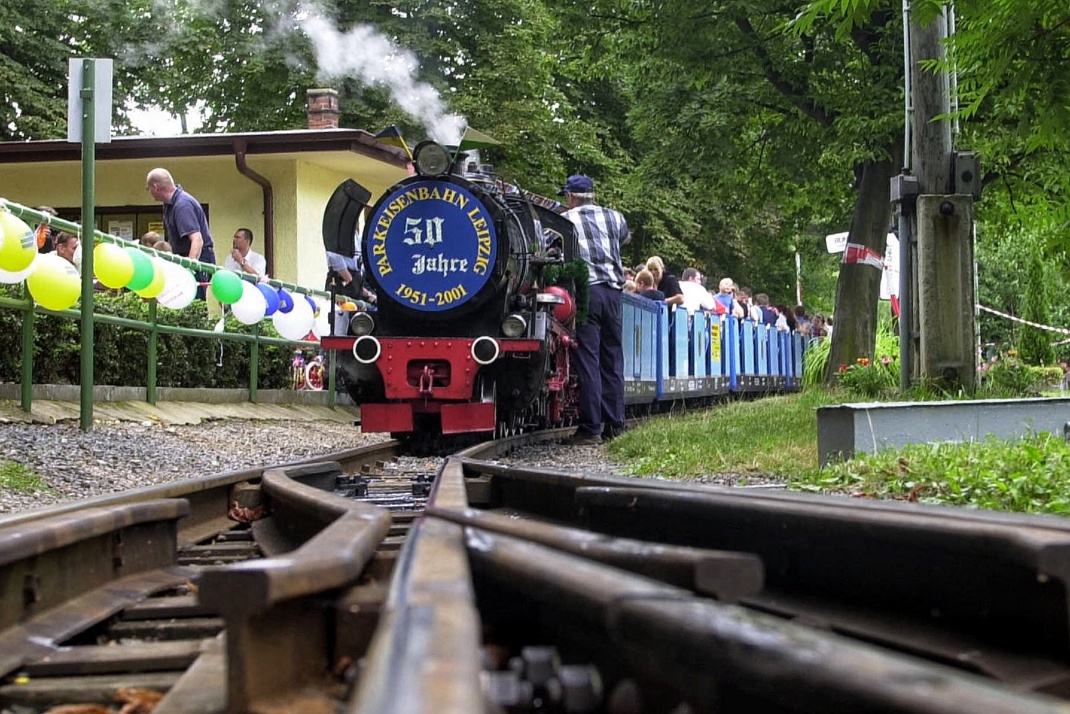
Even though the celebrations won’t really get into full swing until the weekend – today is its birthday: the Park Railway at Auensee began operating 75 years ago today. It is therefore practically a ‘vintage’ railway; after all, following the Killersbergbahn in Stuttgart (1939) and the Dresden Park Railway (1950), it is the third oldest of its kind in Germany.
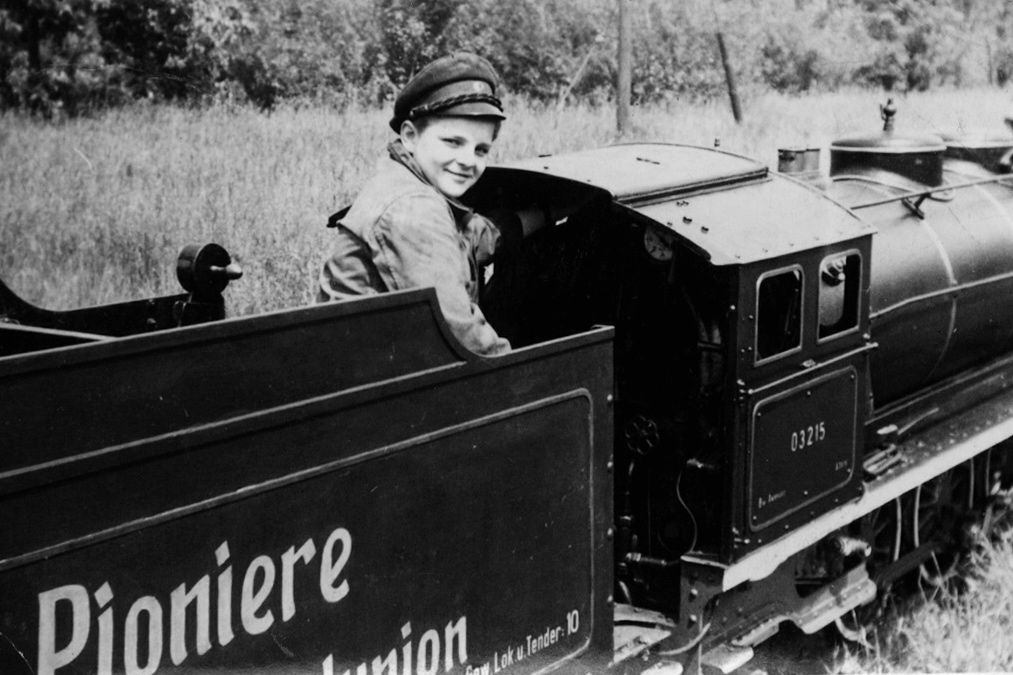
Since it began operating on 5 August 1951 as what was then the second ‘Pioneer Railway’ in the GDR, it has been run by children and young people. And it still delights passengers young and old alike with its steam locomotive, which is now 100 years old.
However, this project – beloved by generations – has been facing difficulties for some time now. Despite the celebrations, the association is facing considerable challenges. To ensure the long-term preservation of the railway, extensive investment is required in the track, platforms and buildings.
According to the association, the funds required for this – amounting to several hundred thousand euros – cannot be covered by current fare revenue. For this reason, the association is constantly seeking sponsors and further supporters. “Our infrastructure is showing its age, which now means urgent action is required,” explains board member Christian Möller-Engisch in an official statement. “Minor repairs to the track system have already been carried out in recent years. However, larger projects, such as replacing points or building new platforms, are now on the agenda.”
The association is appealing for financial and in-kind donations, as well as services, to help achieve its goal of ensuring the railway’s long-term preservation. A donation account has been set up for financial contributions, with the IBAN DE40 8605 5592 1090 0094 41.
The Auensee Park Railway has two locomotives. The steam locomotive is designated 03 2002-8. It was built in 1925 by Krauss & Co. AG, Munich, under factory number 8352; it has an output of 22 kW and, according to the association, reaches a speed of 30 km/h. In addition, there is the battery-powered locomotive 1. It was built in 1995 at Deutsche Bahn’s Halle/Saale works, based on a type NS 1b light railway diesel locomotive built in 1958 for the Muskau Forest Railway. The Akkulok has a power output of 8 kW and a top speed of 13.5 km/h.
The circular route around Lake Auensee is 1.9 kilometres long. For the 2026 season, a return journey on the regularly scheduled battery-powered locomotive costs 4.00 euros for adults aged 14 and over. Children aged 3 to 13 pay €2.50. When the steam locomotive is in service, a steam locomotive surcharge is added to the standard fare. Adults then pay €5.00, and children aged 3 to 13 pay €3.00.
You can become a member of the park railway staff from the age of nine. We look for an interest in railways, a enjoyment of teamwork and a willingness to take on responsible tasks. After completing their training, children and young people can later work as train conductors, level crossing attendants, supervisors or signalmen, for example. However, the actual driving of the locomotives is the responsibility of adults. Yet many a train driver’s career (not only on the park railway, but also at Deutsche Bahn) began with the ‘Dampfross’ at Auensee.
On 8 and 9 August 2026, visitors can look forward to a two-day family programme centred around the historic railway at Leipzig’s Auensee, running from 10 am to 8 pm on both days. Services will be suspended for a lunch break from 12.45 pm to 2 pm on both days. After all, the staff and locomotives need a breather now and then.
Red-White-Green Alert
Today, it is not just football fans who are turning their attention to Leipzig-Leutzsch as BSG Chemie Leipzig (club colours: green and white) host Halleschen FC (club colours: red and white) on the third matchday of the Regionalliga Nordost. The police are also keeping a close eye on the match, as encounters between the two clubs have repeatedly led to unsavoury incidents in the past.
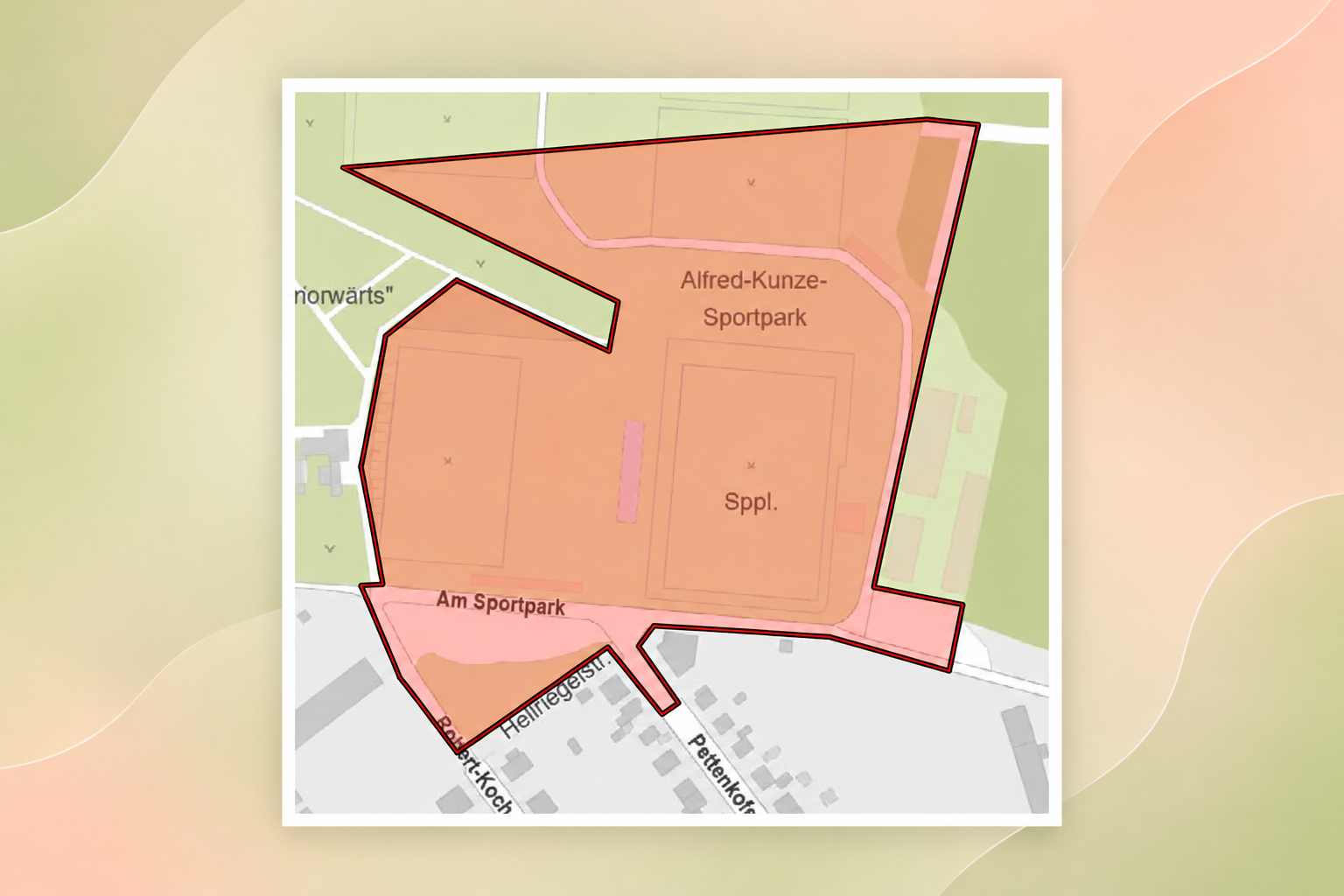
Due to the long-standing rivalry between the two sets of supporters, the fixture is classified as a security-sensitive derby and has implications beyond the sporting contest itself for security, traffic and local residents in the vicinity of the stadium. Following consultation between the police and the city, a separate general order has been issued.
This sets out security measures for the area around the Alfred-Kunze-Sportpark, as defined on a map. Visitors and local residents should therefore expect, in particular, cordons, checks and further restrictions in the vicinity of the stadium.
And it is quite astonishing what measures the authorities have to put in place simply to enable a sporting contest between two teams. The ban covers the carrying of gloves filled with quartz sand, irritant spray devices – insofar as these are not already prohibited under the Weapons Act (WaffG) – as well as pyrotechnic products of any kind, such as Bengal flares, smoke pots, flares, smoke bombs and similar items, insofar as these are not already prohibited under the Explosives Act (SprengG).
Furthermore, carrying mouth guards or dental protectors, as well as shin guards, is prohibited. The same applies to carrying items that are suitable for, and, given the circumstances, intended to prevent the identification of a person. These include balaclavas, tube scarves and face masks used for this purpose. The ban also covers covering the face by combining several items of clothing, such as a cap, scarf, hood, sunglasses or similar items, in such a way that at least two facial features – eyes, nose, mouth or ears – remain recognisable. Well then: let the games begin!
Apply today for the future
How do we want to live, and how will we live in the future? And what will the implications be? Every year, the Leipzig Future Prize honours projects and initiatives that promote the sustainable development of the trade fair city. The award is presented by the “Forum Nachhaltiges Leipzig” with the support of Leipziger Eigenbetriebe (Leipziger Gruppe), Westsächsische Entsorgungs- und Verwertungsgesellschaft mbH, Sparkasse Leipzig and the VNG Foundation.
A total of 12,000 euros in prize money is available. Decisions on how this is allocated are made by juries comprising the prize sponsors and the ‘Sustainable Leipzig’ Coordination Group. The focus is on initiatives that contribute to the implementation of global sustainability goals at a local level. These include, amongst others, projects in the areas of climate and resource protection, sustainable working environments, education for sustainable development, social justice and new forms of collaboration.
The aim is to preserve the natural foundations of life whilst enabling a good quality of life for all within these ecological limits. The selection process begins with the submission of an application via the competition’s website. The Coordination Group of the Sustainable Leipzig Forum then nominates between nine and twelve projects, which present their initiatives at jury meetings.
The Leipzig Future Prize is aimed at individuals from Leipzig and promotes engagement in the fields of volunteering, society, the environment, the economy, social issues, global solidarity, as well as civic and environmental engagement. Applications are open from today; all the formalities are summarised HERE ONLINE.
Summer festival in honour of Ringelnatz
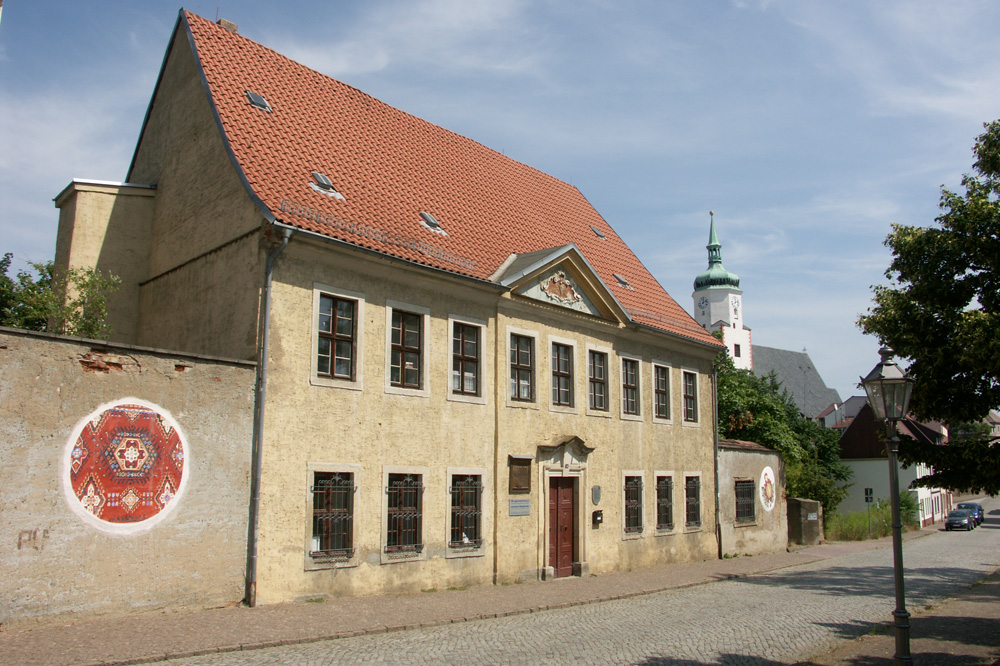
Wurzen – the town east of Leipzig, on the other side of the River Mulde. Known, even in the past, for its cereal factory with its distinctive square towers, which still produces and successfully markets popular biscuits and cornflakes to this day. And because it also produced a famous – and, moreover, mischievous – son, the 25th Ringelnatz Summer kicks off today in the town on the Mulde.
Joachim Ringelnatz was born on 7 August 1883, originally named Hans Gustav Bötticher. He became known as a writer, cabaret artist, painter and poet, whose humorous yet thought-provoking works remain hugely popular to this day. Under his pen name Ringelnatz (a nautical term of endearment for a seahorse), he left his mark on German literature during the Weimar Republic with an unmistakable blend of linguistic wit, satire and melancholy. He died on 17 November 1934 in Berlin and is regarded as one of the most significant German-language poets of the 20th century.
The opening event of the Ringelnatz Summer begins at 6 pm at the artist’s birthplace, Crostigall 14, 04808 Wurzen. The anniversary festival is themed ‘Learn to understand the world through others’ and places Joachim Ringelnatz within the context of the Year of Jewish Culture. The series of events, spanning several days, is organised by the Joachim Ringelnatz Association. The festival combines literature, remembrance culture and current social issues, and concludes this coming Sunday. The full programme is available online.
Drone alert at the airport
The sighting of an unidentified flying object temporarily brought operations at Leipzig/Halle Airport to a standstill last night. This was reported by various media outlets this morning. According to the Leipziger Volkszeitung, the incident occurred around midnight. An airport spokesperson confirmed the incident to the newspaper and classified it as a “drone sighting”.
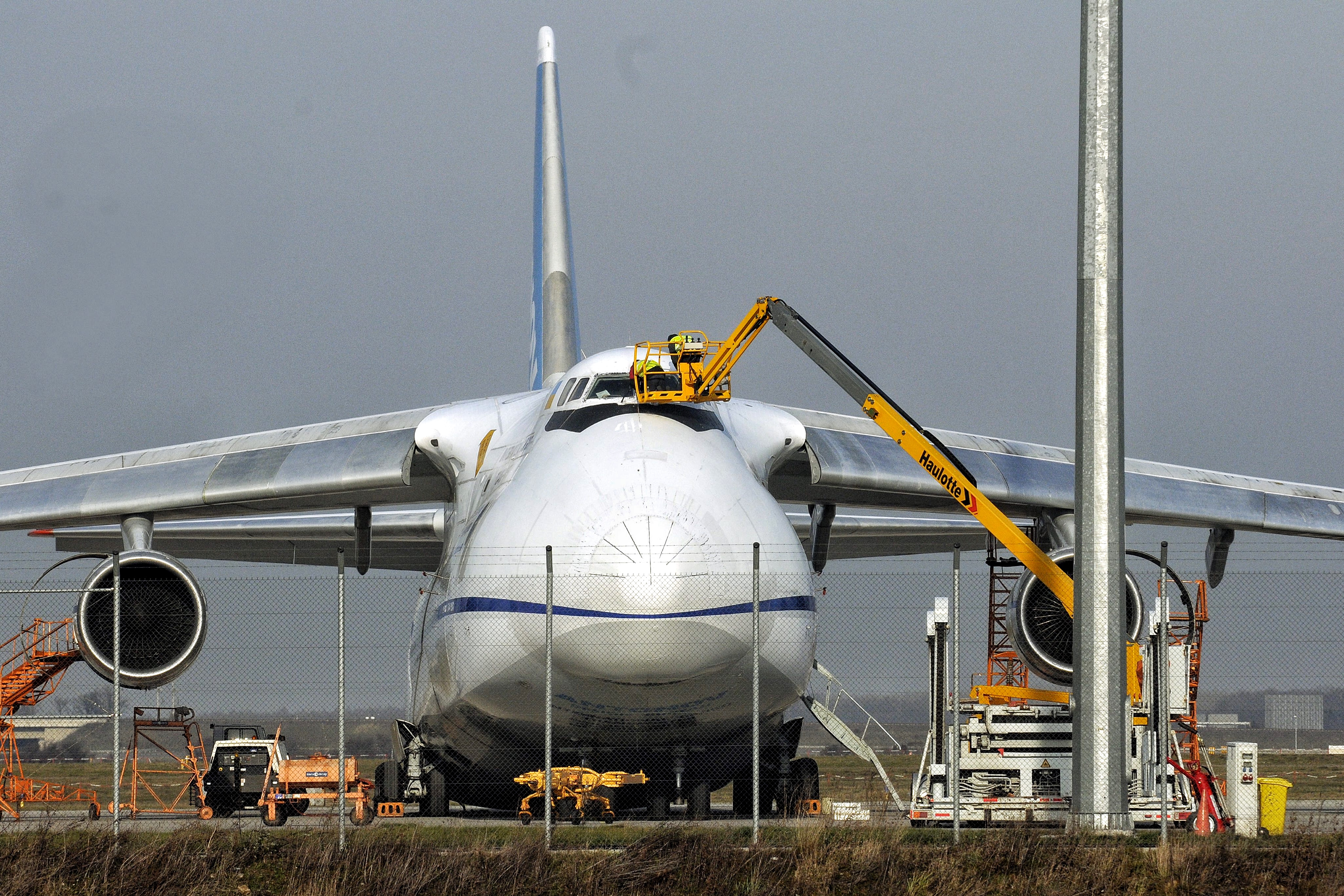
As a result of the closure, all flight operations were suspended. Several cargo aircraft and a passenger aircraft operated by Marabu were affected. The Airbus, arriving from Mallorca, was unable to land at the airport and was diverted to Nuremberg.
A statement issued this morning by the Leipzig Police Headquarters added: “In addition, an object was detected in the vicinity of the southern runway, which was initially examined by the Federal Police. An explosive ordnance disposal robot was also deployed as part of this operation. Flight operations in the northern sector resumed at 1.55 am.”
State and federal police have launched an investigation into the circumstances. As a result of Russia’s war of aggression, Ukraine has stationed the majority of its Antonov logistics fleet at this airport. These investigations are intended to determine whether the incident that occurred during the night was linked to these aircraft.
Empfohlen auf LZ


So können Sie die Berichterstattung der Leipziger Zeitung unterstützen:


There is one comment