Dieser Artikel ist auch in deutscher Sprache verfügbar: Zum deutschen Artikel.
Poor luck has been in the spotlight a lot over the past few days; it seems to be a significant factor. Today, it’s needed above all by those who still want to listen to Farin Urlaub’s travel tales. Things look rather less fortunate (in the sense of running smoothly) in the world of politics – a topic addressed by two events today. And at the museum, we come across one of the founders of the Leipzig School.
Crane disrupts bus service
Until 9 September, passengers on bus route 77 in the east of Leipzig must expect a change to the route. According to Leipzig Transport Authority
(LVB),
this is due to a crane being positioned on Plaußiger Straße.
The LVB describe the impact on bus services as follows: “Route 77 is operating via a diversion between the stops at Sellerhausen, Emmausstraße and Zweenfurther Straße and, when travelling towards Stünz, is serving a temporary stop on Cunnersdorfer Straße.” The transport authority has not yet specified a precise time for when the diversion will be lifted on Wednesday.
Anhalt election becomes a pub talking point
Hardly any election in recent German history is likely to have stirred up emotions as much as last Sunday’s state election in Saxony-Anhalt. And so, just two days after this vote, the Leipzig event series “Knowledge in Leipzig: The Pub Talk” is devoting a public discussion from 6.00 pm to 8.00 pm to the question: “Protest vote or a turning point? Analyses of the state election in Saxony-Anhalt”.
The discussion will focus on the possible consequences of the election for Saxony-Anhalt and Germany. Dr Hendrik Träger from the Institute of Political Science at the University of Leipzig will be taking part in the discussion. His research focuses on political parties and elections at local, state, federal and European levels, as well as decision-making processes within the German federal system.
Also taking part is Dr Alexander Leistner from the Institute of Cultural Studies at the University of Leipzig. The sociologist and cultural studies scholar focuses, amongst other things, on democracy and processes of social transformation in eastern Germany.
As the organising University of Leipzig explains, ‘Wissen in Leipzig: The Pub Talk’ brings members of the public and academics together for a conversation outside the lecture theatre. According to the university, the format does not follow the traditional university lecture model, but rather focuses on an exchange in a relaxed atmosphere, where there is also an opportunity to ask questions and discuss them.
Today’s session takes place at the Gambrinus pub (Odermannstraße 12, 04177 Leipzig-Alt-West). Admission is free.
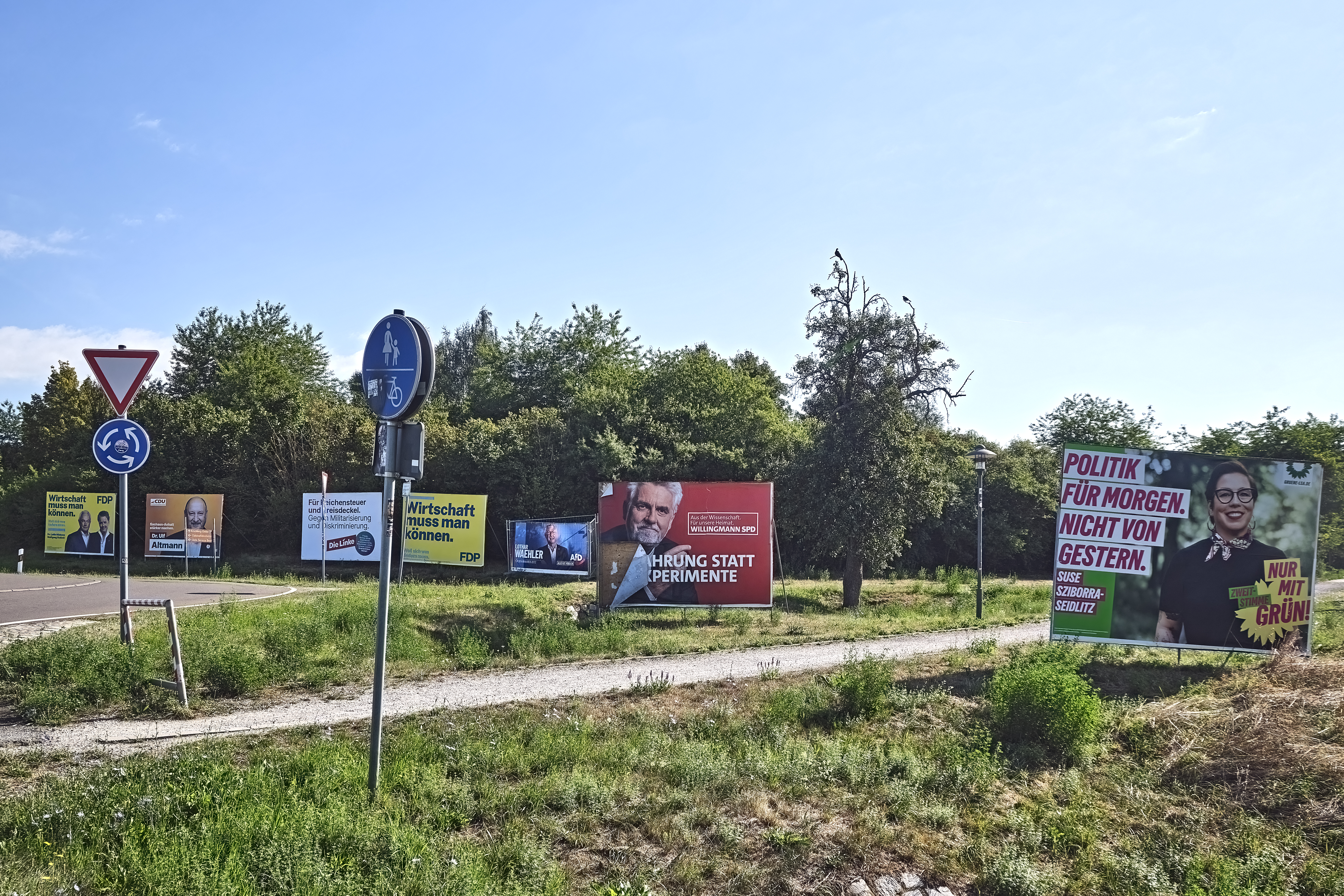
Independent candidates are reshaping local politics
Politics is also the focus of this evening’s discussion at the Zeitgeschichtliches Forum: under the title ‘Between political alienation and local participation’, the talk will explore the growing importance of non-party political engagement in Saxony. From 7 pm, Dr Johannes Kieß from the Else Frenkel Brunswik Institute will speak on the topic ‘The role of voters’ associations at local level’.
The focus is on how the political landscape in Saxony’s local authorities is changing as voters’ associations and independent candidates gain in importance and, in some municipalities, increasingly displace established parties. Dr Kieß’s research focuses, amongst other things, on political attitudes, democratic culture, anti-democratic mobilisation and right-wing extremism. He is also working on a Leipzig study on authoritarianism.
Following his talk, he will be in discussion with Kerstin Körner, Mayor of the district town of Dippoldiswalde. Körner has been Mayor since 2019 and is a member of the CDU. However, when she stood for re-election in May 2026, she ran as an independent candidate and retained her seat with 77.4 per cent of the vote. An open discussion is planned afterwards, in which the audience will be invited to join the discussion on the implications of the developments described for citizen engagement and local democracy.
The Forum for Contemporary History is situated on Grimmaische Straße, to the left of the Mädler-Passage. It is very easy to spot thanks to the monumental sculpture ‘Der Jahrhundertschritt’ by Wolfgang Mattheuer standing in front of it.
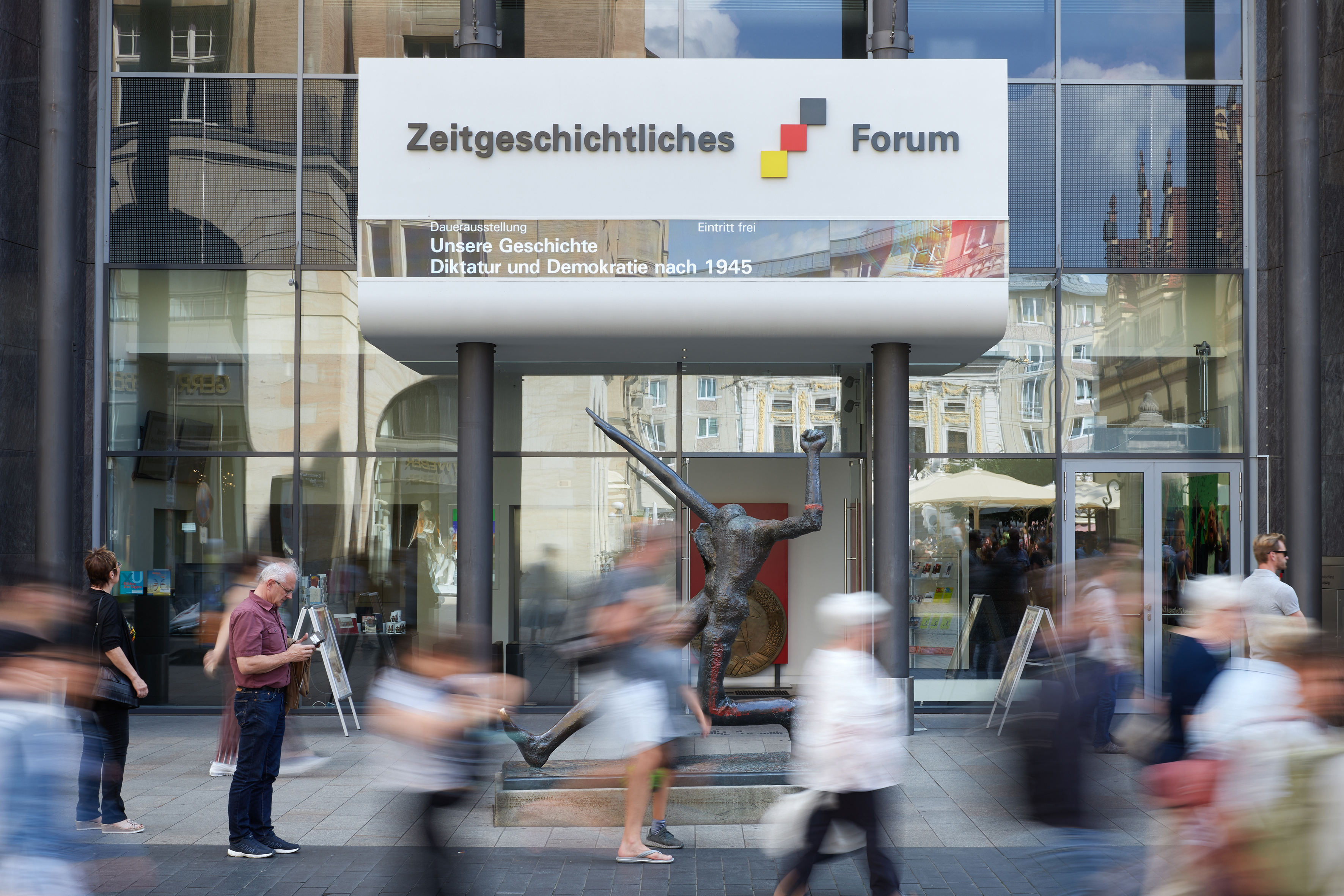
Mattheuer’s “Jahrhundertschritt” has lost none of its symbolic power. Photo: Alexander Schmidt / PUNCTUM / Forum for Contemporary History
Travelling until the doctor comes
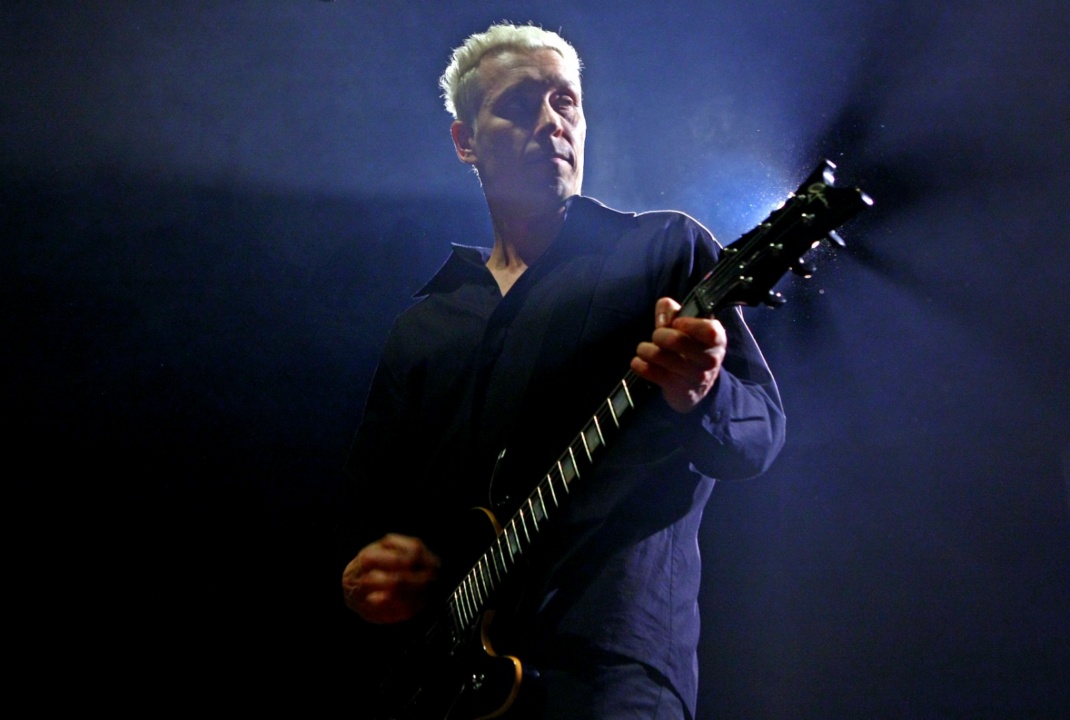
The musician Farin Urlaub, born Jan Vetter, is one of the three founding members of the Berlin punk rock band “Die Ärzte” and won, amongst other awards, the World Music Award with them. Yet he has long been known as a solo artist, author and photographer as well. True to his stage name, he loves to travel and will be talking about it this evening at 7.30 pm at the Felsenkeller with the author Jochen Schliemann.
The focus will be on personal experiences from his travels: Urlaub and Schliemann will discuss their travel adventures and show photographs to illustrate them. A particular highlight will be Farin Urlaub’s decades-long journeys through Africa. According to his official website, the musician has travelled to more than 40 countries there, partly on his own, partly with a guide, and by motorbike or 4×4. Schliemann is presented there as a journalist, traveller, writer and as one half of ‘Reisen Reisen – Der Podcast’.
So the audience shouldn’t expect a concert, but rather an evening of conversation and images about being on the move. And just as you need a bit of luck when travelling, that’s exactly what’s needed this evening too. Because the venue is sold out. Only returned or uncollected tickets might still grant entry.
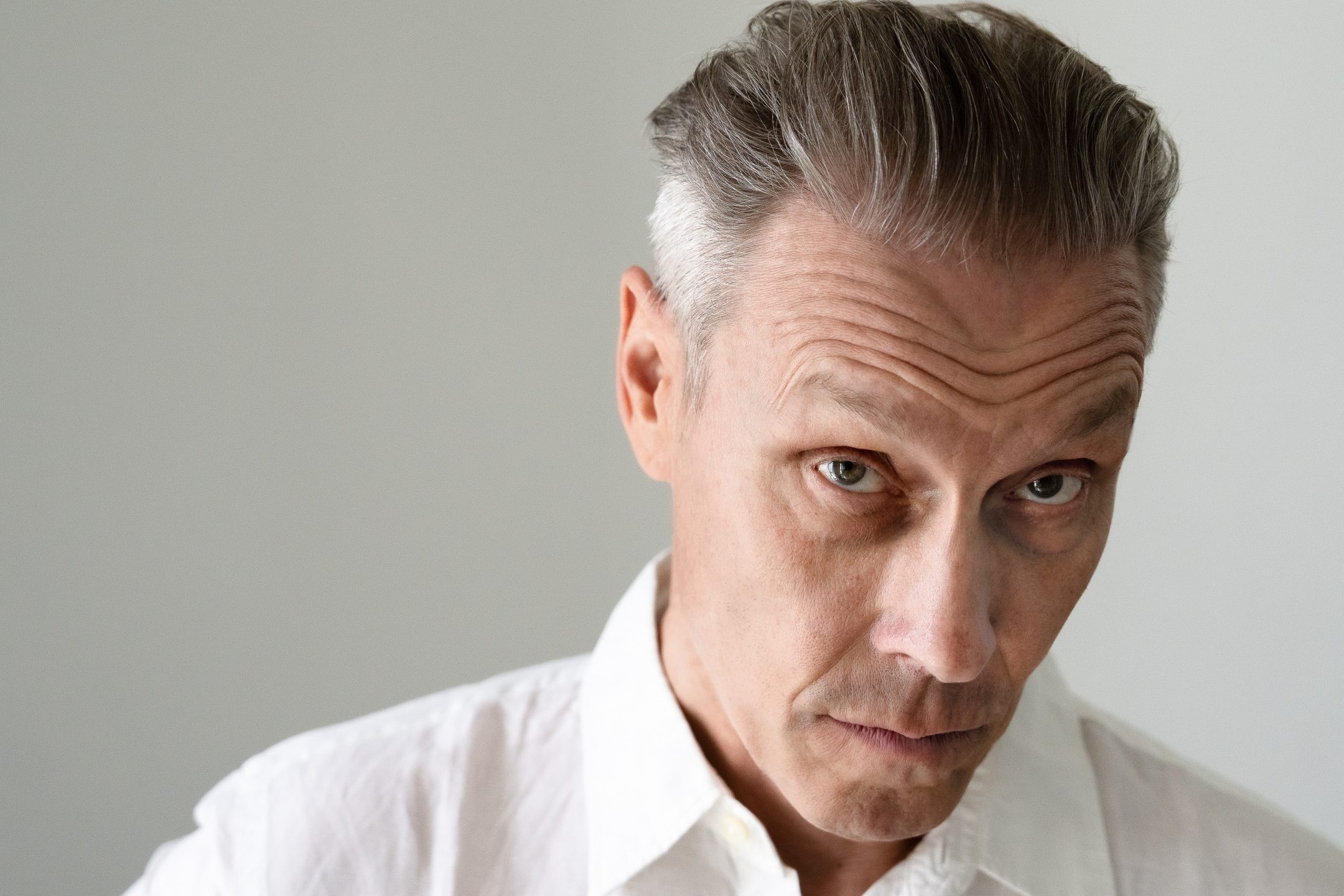
Co-founder of the Leipzig School: Müller at the Town Hall
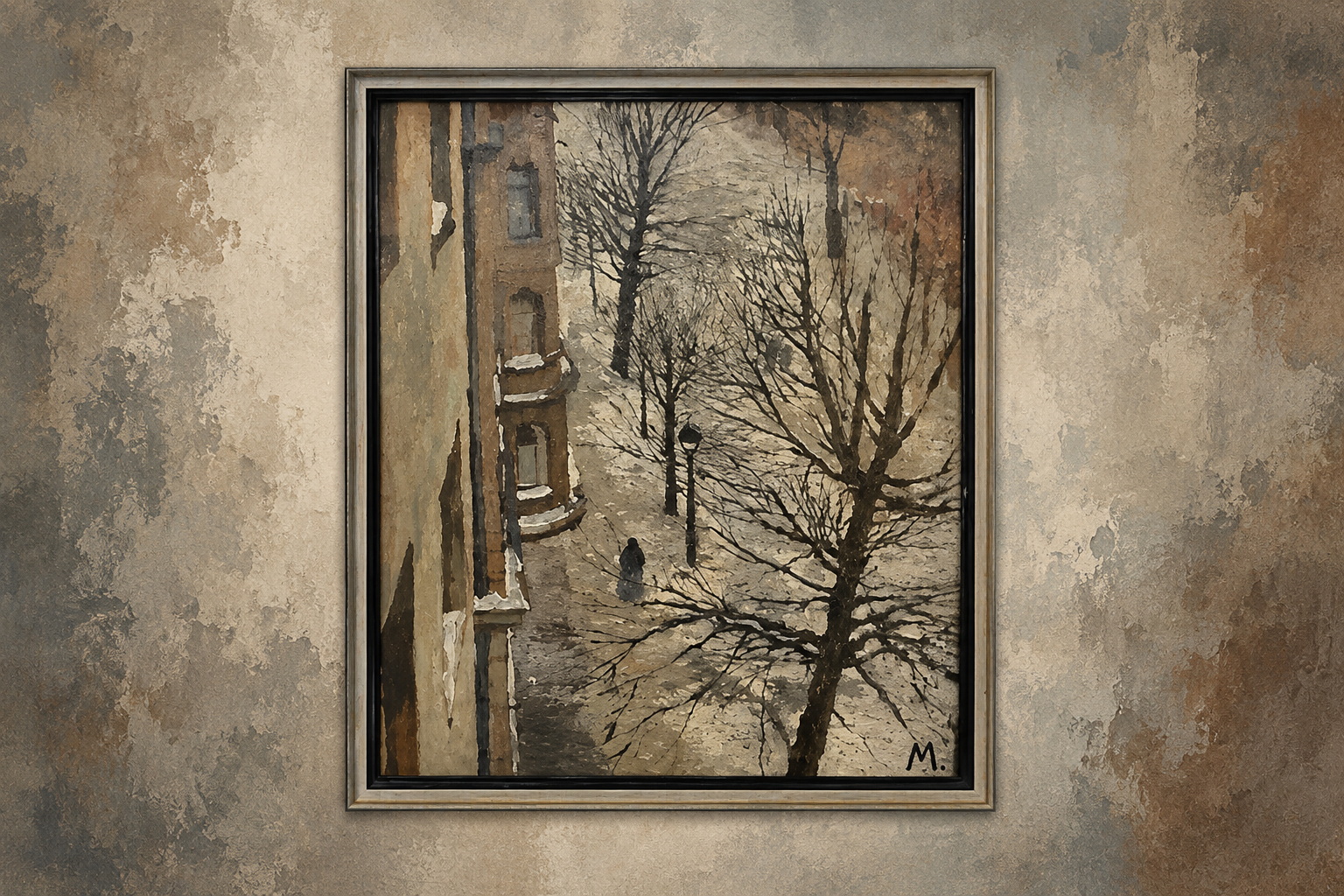
From today, early works by the Leipzig painter and sculptor Gerhard Kurt Müller are on display at the Old Town Hall. The exhibition ‘Early Views’ is open from 10.00 am on the second floor. It is open Tuesdays to Sundays from 10 am to 6 pm, and admission is free. The City History Museum is hosting the exhibition until 17 January 2027, thereby also commemorating the artist’s upcoming 100th birthday.
Gerhard Kurt Müller was born on 1 October 1926 in Leipzig-Probstheida and died on 16 October 2019 in Leipzig. The works on display are donations from the Gerhard Kurt Müller Foundation. According to the City History Museum, they illustrate the significance of the urban landscape in the work of Leipzig painters, although Müller later moved away from this subject matter.
Müller’s connection to Leipzig’s art history dates back to the immediate post-war period. In 1944, at the age of 17, he was sent to war and remained a prisoner of war until 1948. According to the museum, he processed these experiences artistically throughout his life. From 1948, he studied at what later became the Academy of Graphic Arts and Book Design (HGB), where he subsequently became a professor and, for a time, rector.
The City History Museum counts Müller amongst the co-founders of the Leipzig School. The museum describes his later work as powerful and abstract, highlighting influences from Expressionism and Cubism as well as Müller’s particular affinity with French culture and literature.
Empfohlen auf LZ


So können Sie die Berichterstattung der Leipziger Zeitung unterstützen:




There is one comment