Dieser Artikel ist auch in deutscher Sprache verfügbar: Zum deutschen Artikel.
To protect against the next heatwave, the transport authority has unveiled an initial package of measures. A “Centre for Immigration and Internationals” is opening at the Otto-Schill-Straße Citizens’ Advice Bureau; the city office is offering free and anonymous counselling for people with mental health issues who are experiencing problems with their treatment. A guided tour of the city explores the lives and social roles of lesbians and gay men in the GDR.
LVB take a light-hearted approach to the heat
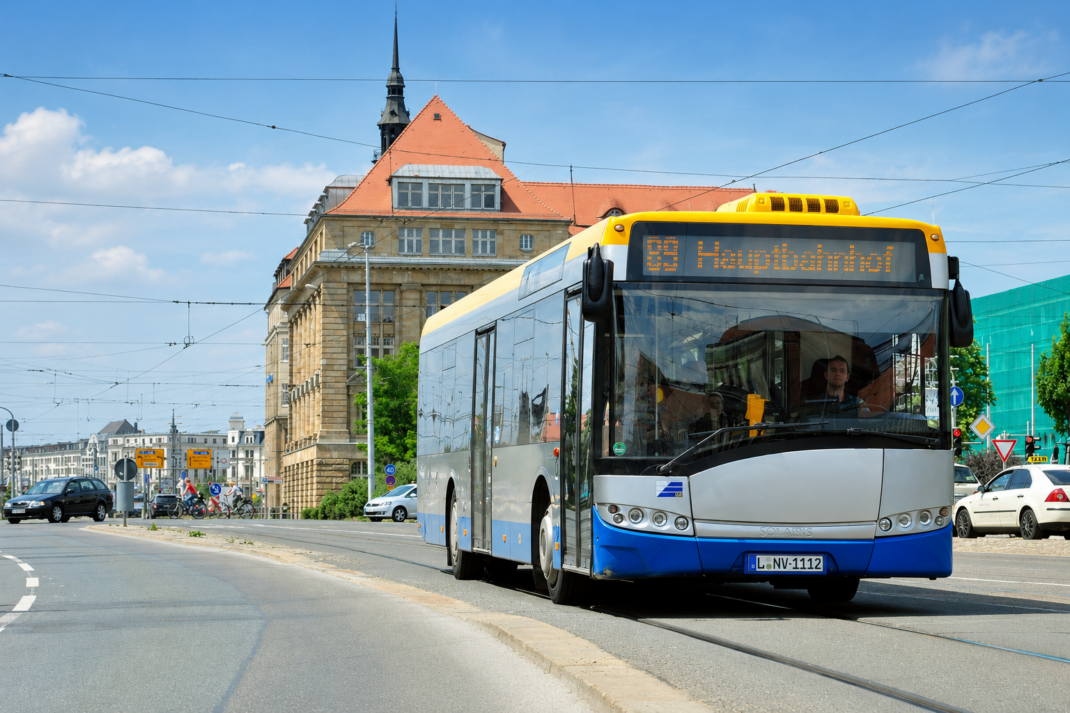
From today, Leipzig’s trams are running to schedule again. At least according to the timetable originally planned for operations during construction work. This is because the summer holidays are traditionally used for extensive renovation work (as reported by the LZ
). Leipzig’s public transport operator had recently been forced to suspend operations on the rail network because, across the entire 150-kilometre track network, a bitumen-based joint sealant had swelled due to the extremely prolonged heatwave and, like a beast, had glued together the rails, points and the trams’ undercarriages, trapping them in its grip.
With a view to new, impending heat waves, Leipzig’s public transport
operator (LVB) now appears to be prepared. Depending on air and rail temperatures, as well as the monitoring data to be collected from the track structure, it should be possible to implement various measures. According to a statement from the LVB, decisions will be made in consultation with the expert from TÜV Süd Rail who has already been appointed.
Their assessment will, amongst other things, inform the decision on “whether the joints need to be sanded or cooled with water, individual lines taken out of service, sections closed or buses kept off the tracks”, the statement continues. In this context, “sprinkling” refers to the application of sand, which can be removed again afterwards, according to a company spokesperson.
“The height of summer is still to come. In extreme cases, the situation could worsen again in hot weather. To ensure safety and prevent damage, the scenario of restricted services remains an option,” says Ulf Middelberg
, a member of the LVB management board, in a statement.
Toralf Müller, LVB’s Managing Director of Technology and Operations, adds: “In addition, our driving staff have once again been made particularly aware of the need to watch out for changes to the track, especially the longitudinal rail joints, and to report these immediately to the control centre. We will be monitoring heat-sensitive areas such as the city centre ring line more closely and intensively.”

The LVB is determined to prevent a resurgence of the ‘bitumen beast’. Joint sealant melted by the heat had recently caused tracks and undercarriages to stick together. For a whole week, virtually no trams were running. Photo: Benjamin Weinkauf
Integrating more quickly into society
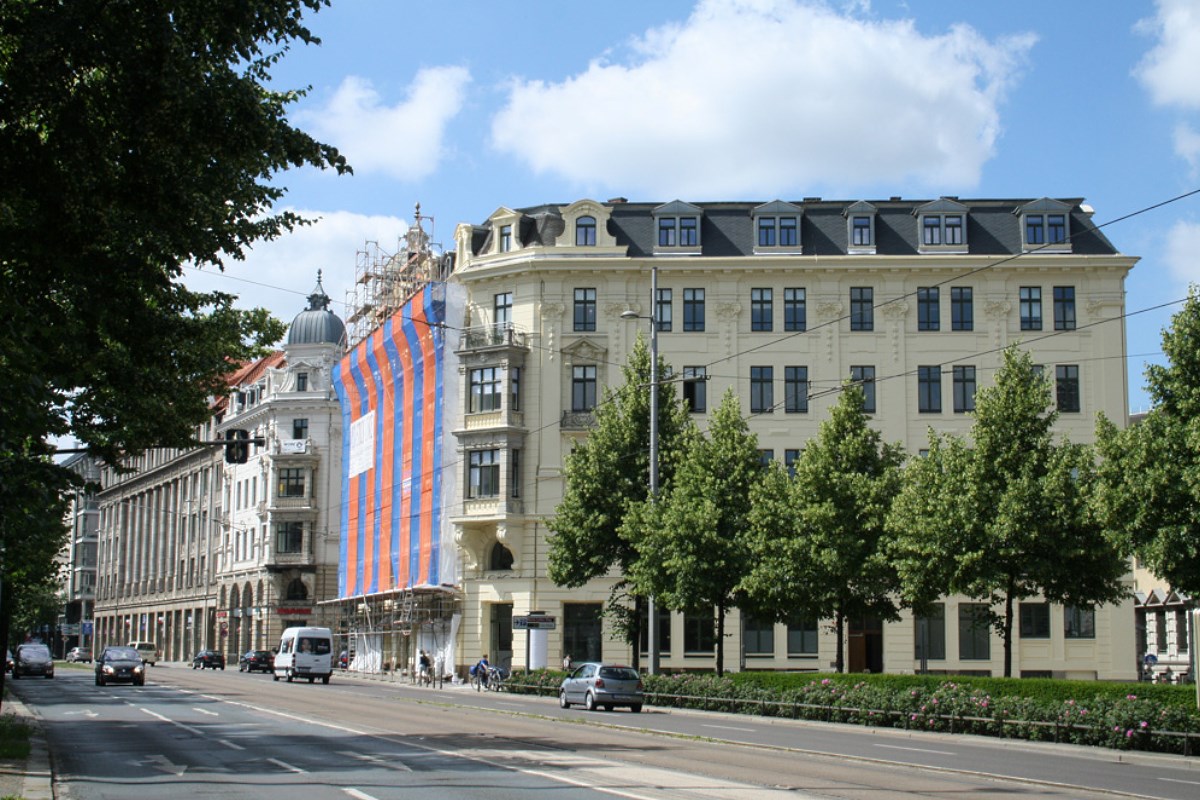
633,600 people live in Leipzig, around 136,500 of whom have a migrant background. To cope with growing immigration and boost the city’s international appeal, the local authority has set up a help centre, which opens today as the “Centre for Immigration and Internationals” (CII) at Otto-Schill-Straße 2, not far from St Thomas’ Church.
The aim of the new centre is to make it easier for immigrants, international skilled workers, students and businesses to access information and support services, and to streamline administrative procedures. In future, the City of Leipzig’s Welcome Centre, the Specialist Information Centre on Immigration (FIZ) and the IBAS Recognition Advisory Service (Information and Advisory Centre for Recognition in Saxony) will all operate jointly at the CII.
The services are aimed in particular at international skilled workers, people new to Leipzig, students and researchers from abroad, companies with international staff, and people with foreign professional qualifications or educational qualifications.
According to the city, pooling these services is intended to better coordinate advisory processes, reduce bureaucratic hurdles upon arrival and facilitate the recruitment of skilled workers for the regional economy.
Support for people with mental health conditions facing difficulties
Mental health conditions place an extreme and draining burden on those affected. When difficulties or conflicts arise in connection with treatment, care, hospitals, residential homes, legal guardianship or other institutions, those affected and their families often reach their breaking point.
The “Leipzig Independent Complaints Bureau” (LUBS) offers monthly consultation hours during which people can receive free advice, anonymously if they wish. Staff at the consultation sessions are also bound by a duty of confidentiality. Confidential consultations are available today at the city office (New Town Hall
/ Stadthaus, Burgplatz 1). No appointment is required, nor are any referrals or forms necessary.
LUBS was founded in 2024 as Saxony’s first independent psychiatric complaints office. The aim of the organisation is to provide people with mental health conditions with low-threshold access to advice and support, and to address problems within the psychiatric care system.
According to the City of Leipzig, the city office
is accessible: the premises are fully accessible to wheelchair users and there is an accessible toilet.
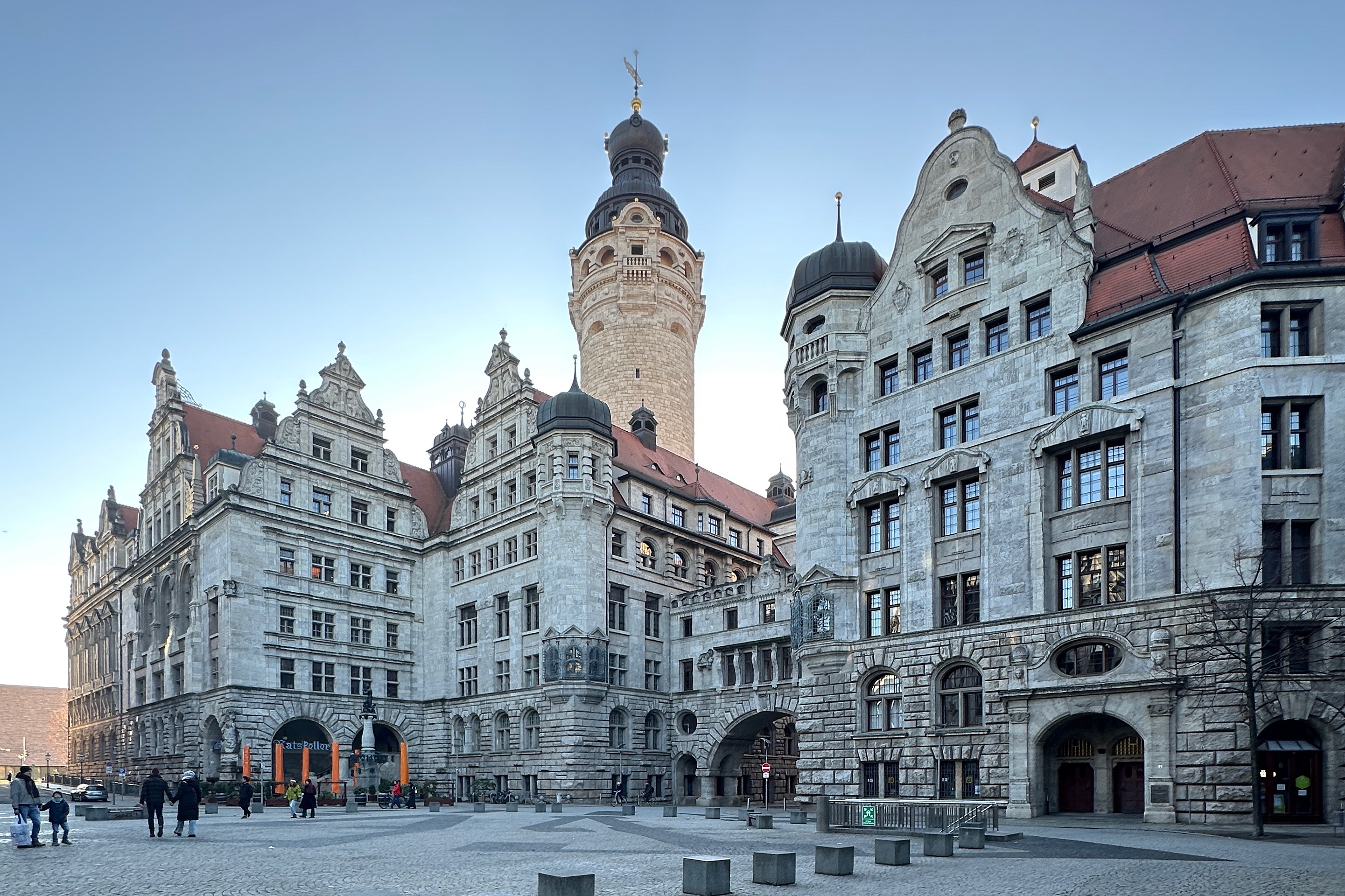
Town Hall and Stadthaus on Burgplatz. The advice centre is located in the complex on the right. Photo: Benjamin Weinkauf
Register today for a queer city tour
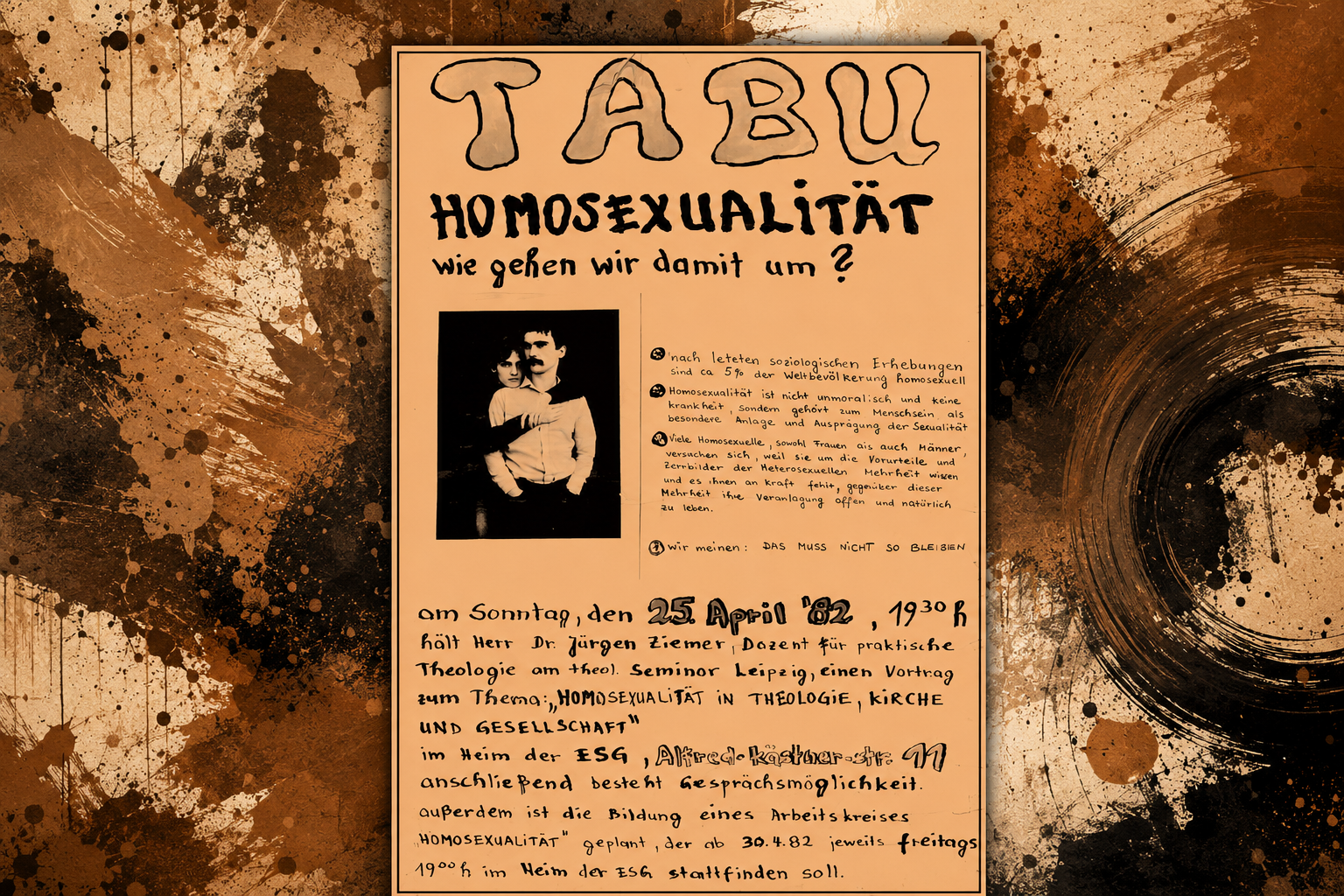
The lives of lesbians and gay men in Leipzig before 1989 are the focus of a guided tour being offered as part of CSD Action Week. Was there a queer scene in the GDR, where did people meet, and under what circumstances? The city tour, led by Christine Rietzke, starts on Saturday 11 July at 4 pm at the Leipzig Transport Authority’s Mobility Centre on Willy-Brandt-Platz.
However, for organisational reasons, participation is only possible upon prior registration, which can be done informally via hallo@frauenkultur-leipzig.de. The participation fee for the two-hour tour is 8 euros, or 6 euros for concessions. The event is organised by the Queer-Feminist History Circle Leipzig in cooperation with the Frauenkultur Socio-Cultural Centre.
As well as the places where lesbians and gay men met in the GDR, the tour will also explore the emergence of the first queer networks and the political demands that were already being articulated before the Peaceful Revolution. Furthermore, the tour sheds light on the development of the queer community after 1989 and places it within the city’s historical context.
Empfohlen auf LZ


So können Sie die Berichterstattung der Leipziger Zeitung unterstützen:




There is one comment
Centre for Immigration and Internationals – finally, congratulations, well done.