Dieser Artikel ist auch in deutscher Sprache verfügbar: Zum deutschen Artikel.
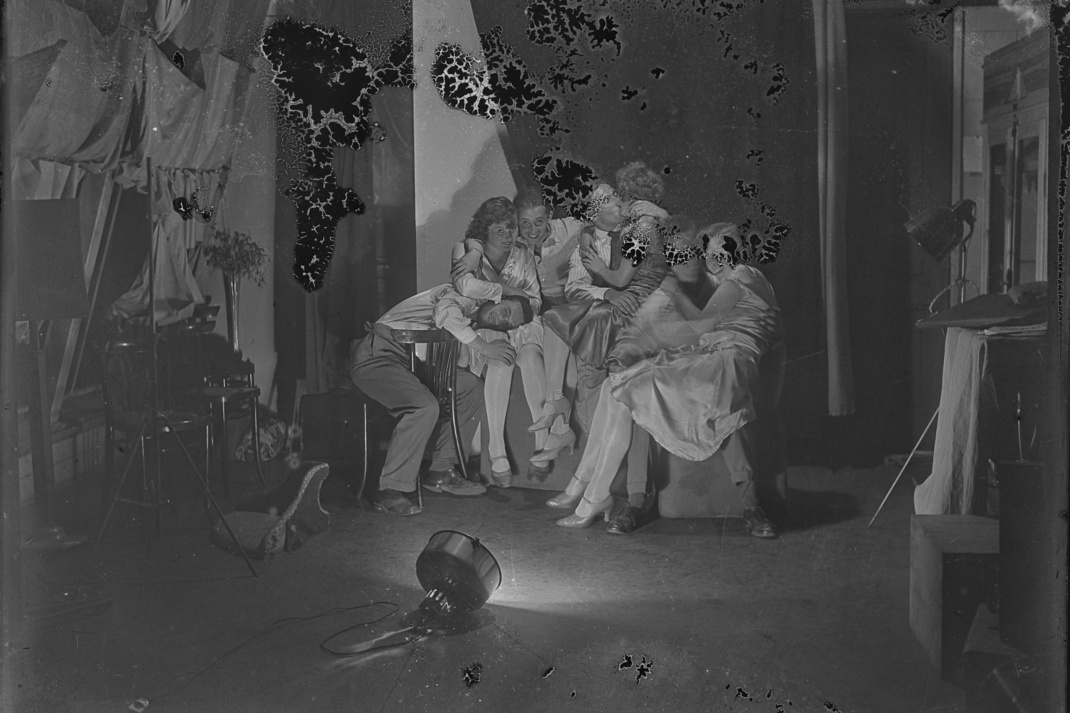
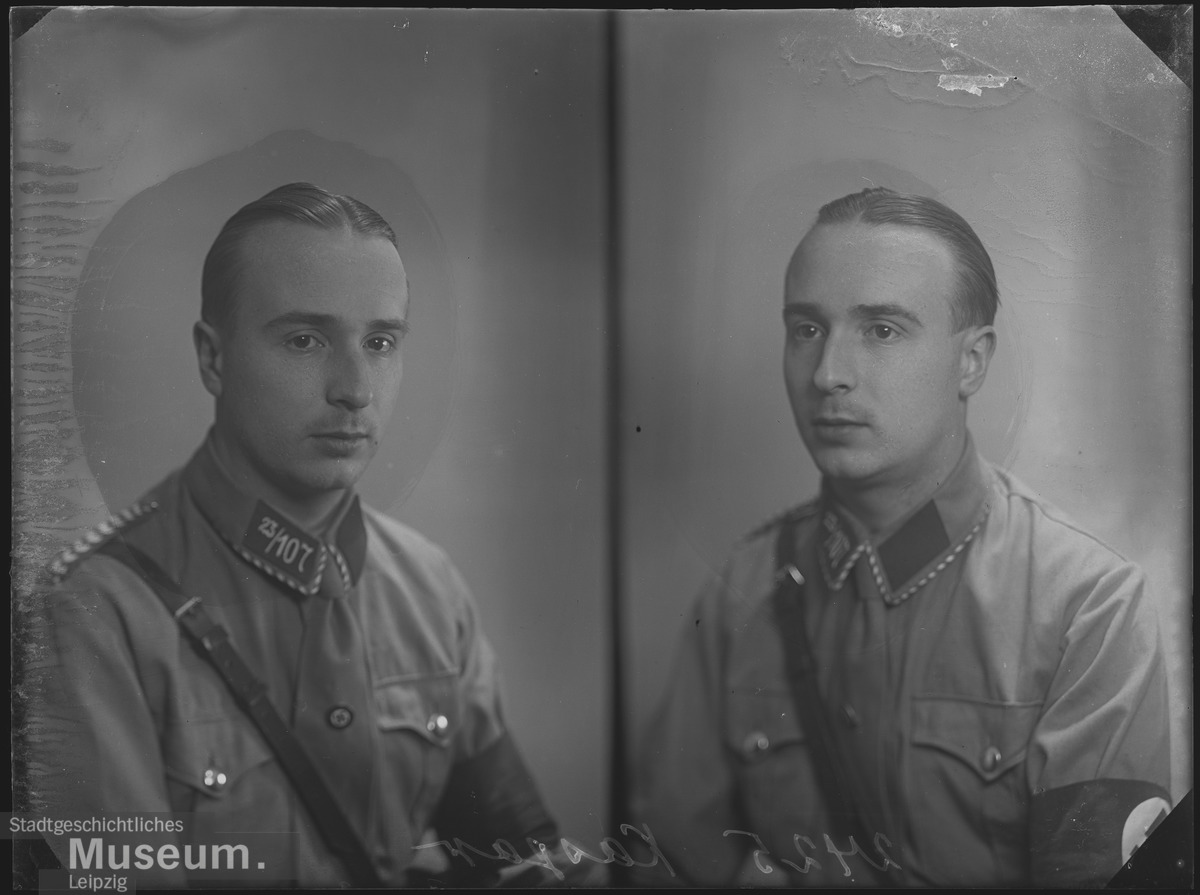
A photography studio, just a few minutes’ walk from the New Town Hall, next door to the police headquarters. People come and go in a steady stream; wedding photos are taken. Ladies pose with their little dogs. Portrait photos are taken and family albums are filled. Every now and then, men in uniform walk into the shop to have smart photographs taken of themselves, in autograph-card quality. Abram Mittelmann’s business is a prestigious establishment, and his skill as a photographer is well known throughout the city. ‘If you can’t develop your own photos, go to Mittelmann’ is the slogan behind his success.
From the Südvorstadt to his death
The house at Peterssteinweg 15, a stylish Wilhelminian-style building, houses not only the studio and darkroom but also the Mittelmann family’s spacious flat. In 1938, the success story came to an end. A reconstruction of this story is now on display at the City History Museum, offering a glimpse into an incredible treasure trove of photographs documenting contemporary history. Accompanied by the unimaginable suffering caused by the Shoah.
Abram Mittelmann was expelled from Germany; the task of winding up the business fell to his son Siegfried and his sister. The family was torn apart, deported following the occupation of Western Europe, and murdered. The renowned photographer, who had taken portraits of Leipzig’s Nazis, was shot dead during a raid in Brussels. Only Siegfried, his brother Leon, and Leon’s wife and children survived the Holocaust.
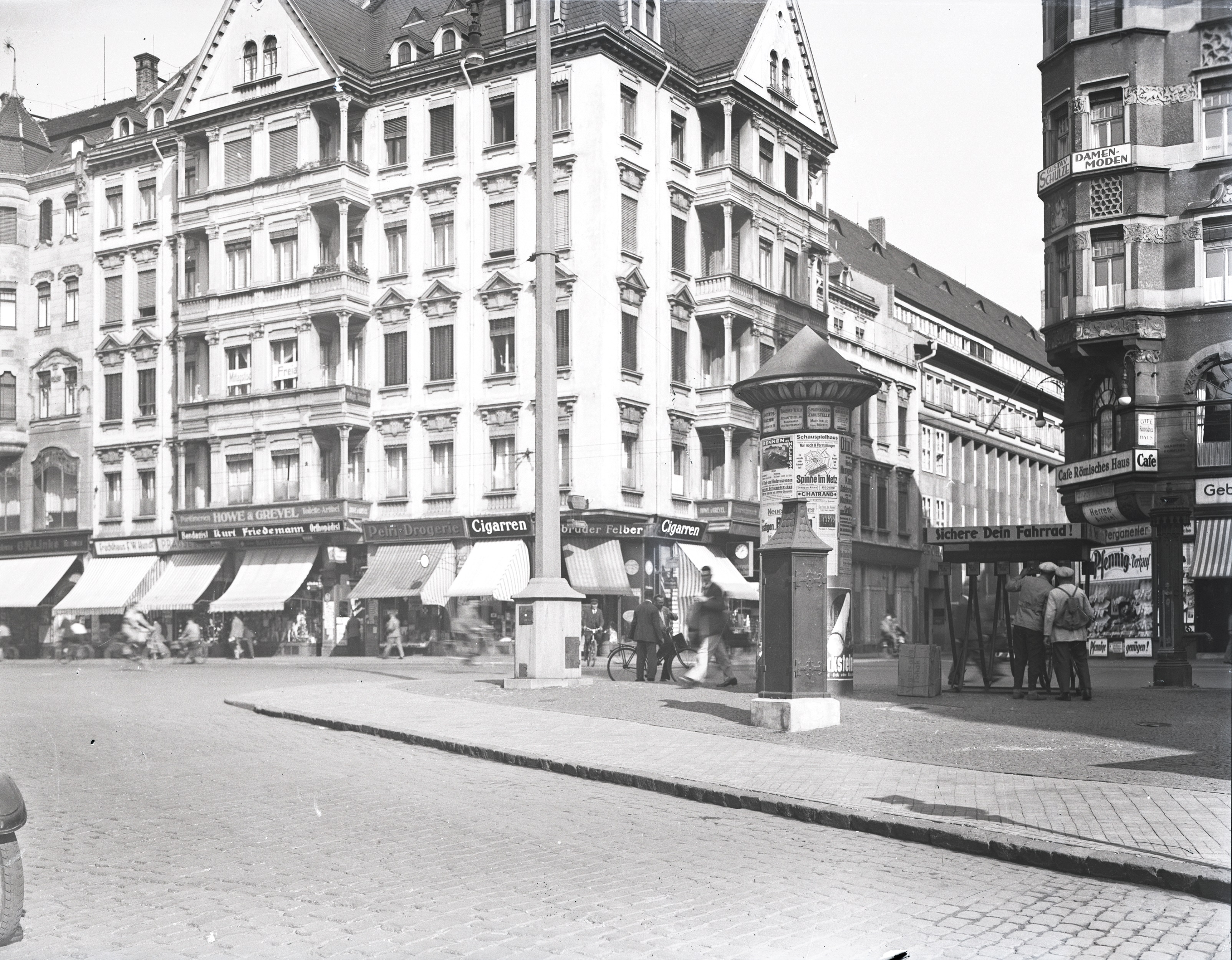
They were neighbours. The house at Peterssteinweg 15. Photo: City History Museum
The struggle over the finds
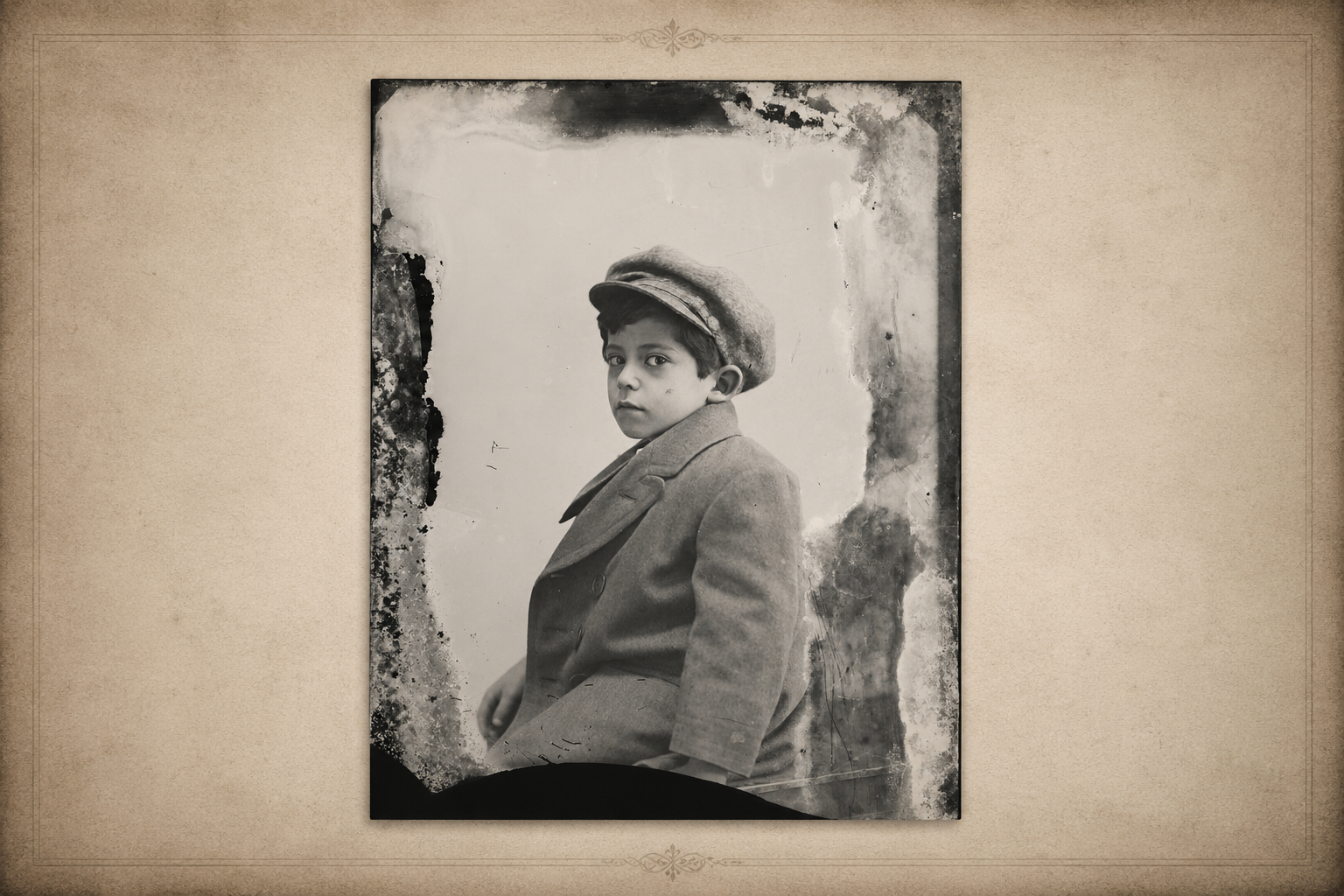
Fifty years after the studio’s tragic demise, a Leipzig-based photographer discovers several boxes in an attic. They contain envelopes holding glass plates – negatives of photographs. Some had names on them. Not all of them. In 1989, an exhibition was held at Leipzig University to mark the 50th anniversary of the Nazi pogrom night. An accompanying book is published, and the woman who discovered the photographic treasure contributes images from the Mittelmann studio. One of the pictures, for which no name could be found, opens the book on the first inside page. A little boy in a jacket that’s too big, wearing a flat cap.
On 3 November 2021, Nadia Vergne visits Leipzig. ‘Stolpersteine’ are being laid in front of the house where her family’s studio was once located. These memorials, set into the pavement, commemorate the victims of the Nazi dictatorship at the house where they last lived. By chance, someone hands Mittelmann’s granddaughter the book, which by this point had itself become a historical artefact. She opens it – and sees a childhood photograph of her father.
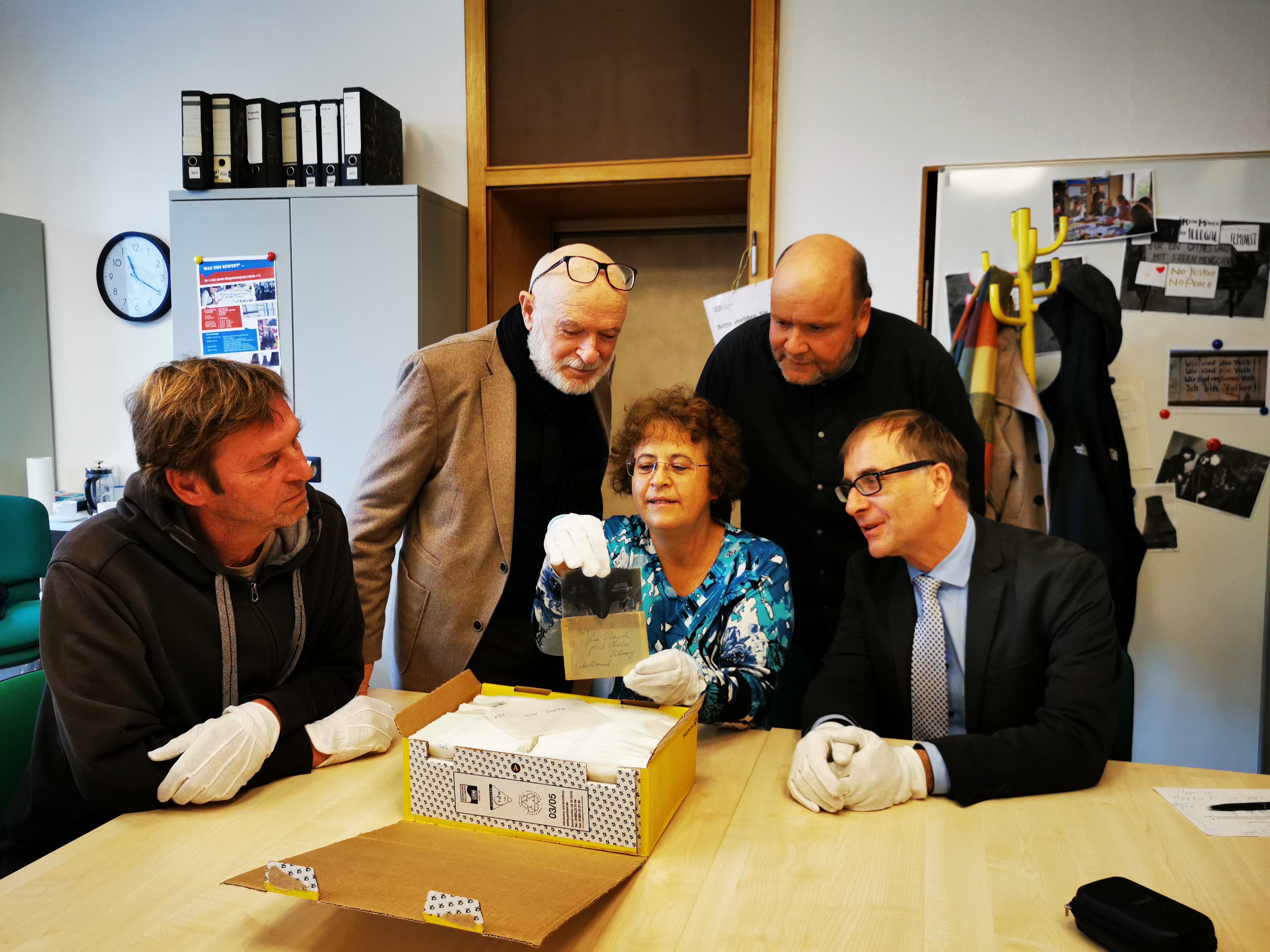
In 2022, the glass plate negatives were handed over to Nadia Vergne, Abram Mittelmann’s granddaughter, by the woman who had found them. For many years, the heiress had tried in vain to achieve this. Attempts at mediation, including those by prominent figures, had failed for a long time. Eventually, she sought the help of the media. Now, an initiative involving Nadia Vergne, the Leipzig Museum of City History, the Ariowitsch-Haus on behalf of the Jewish Religious Community, and the Leipzig Citizens’ Movement Archive e.V. has begun to catalogue the collection. This ultimately facilitated the handover of the collection. 862 of the photographs could be linked to specific individuals. In the process, it was possible to establish first names and other biographical details, or to narrow down the identity to a few possible candidates. More than 730 individuals and groups were identified as Jewish, including at least 168 photographs of the Mittelmann family.
A photographic treasure trove for the public
The exhibition and digital resources paint a picture of a typical Jewish family in Germany. Around 100 portraits and group photographs offer previously unknown insights into Jewish life in the city of Leipzig – both during the period of normality before 1933 and during its violent destruction. As research into the Mittelmann photographic collection is not yet complete, the exhibition is set to be expanded in November 2026.
At the opening, Abram Mittelmann’s granddaughter spoke words that move us, words that deserve to be heard: “For the future, I hope that these photographs will help many people to rediscover images of their families. I also hope that we can put a face to the victims of the Shoah. A face speaks louder than a name. It reminds us that it was people who were murdered. I hope that the younger generation will continue the work of remembrance. For me, passing on this legacy is important today. The younger generations must understand just how terrible discrimination and exclusion are. Young people should think critically and question propaganda. Tolerance and respect are vital so that we can live in harmony.”
Nadia Vergne’s aim is to make her family’s legacy accessible to everyone. That is why the City History Museum has created a database that is accessible to everyone free of charge, where you can search or simply browse. And perhaps a granddaughter will even find photos of a member of her own family. The archive, which has been preserved and catalogued to date, can be found here on the internet.
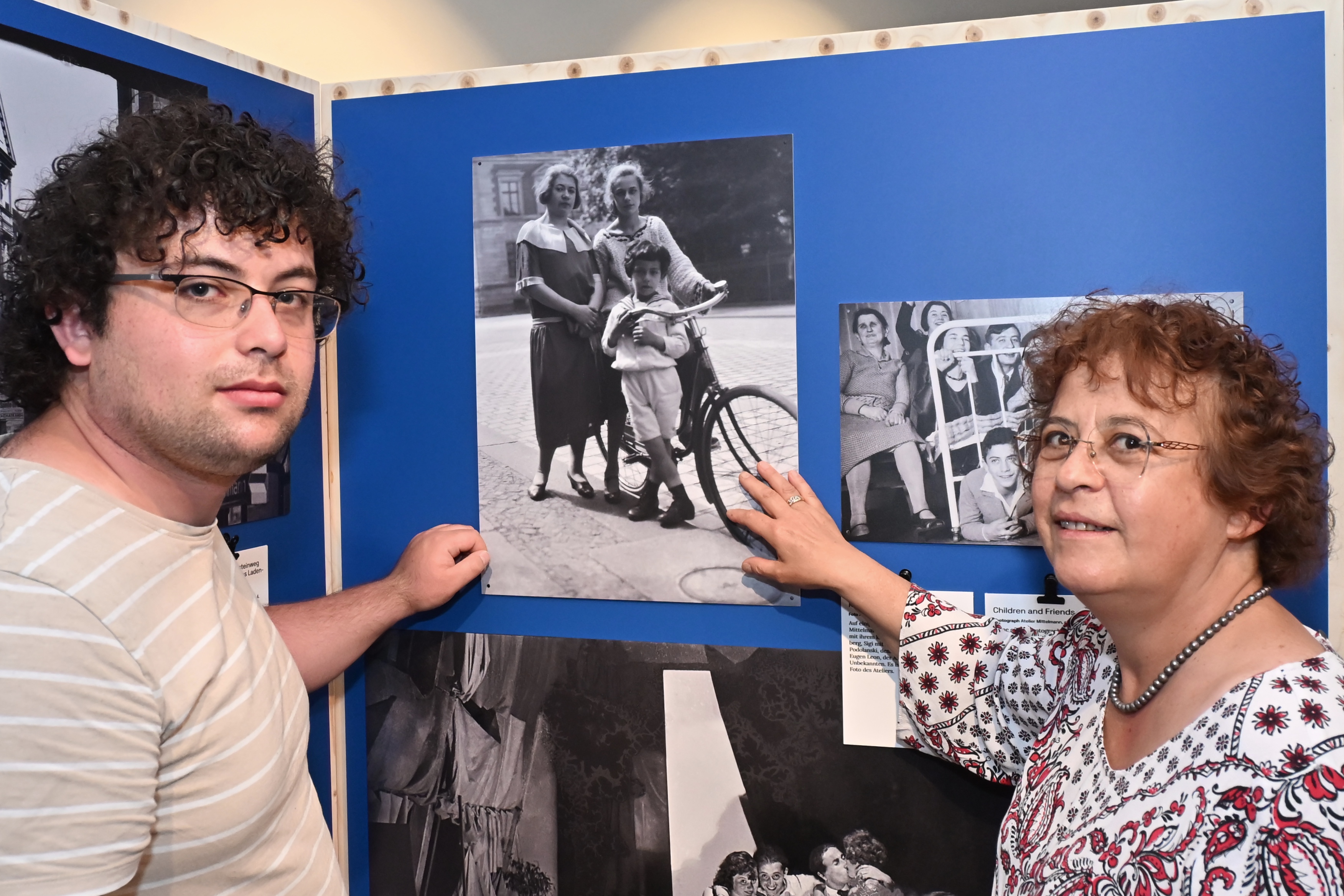
The exhibition at the Leipzig City History Museum, Böttchergäßchen 3, 04109 Leipzig, is open from 10 am to 6 pm on Tuesdays to Sundays and on public holidays. Standard admission is 7 euros. Concessionary tickets and evening tickets cost 3.50 euros each. Children and young people up to the age of 18 are admitted free of charge. Further information is available by calling 49 (0) 341 9651340.
Empfohlen auf LZ


So können Sie die Berichterstattung der Leipziger Zeitung unterstützen:


There is one comment