Dieser Artikel ist auch in deutscher Sprache verfügbar: Zum deutschen Artikel.
The Leipzig CDU is today nominating its candidate for the mayoral election. At the Regional Court, all eyes are on the door through which celebrity doctor Gero Strauß is due to walk. What if he backs out again? The HTWK is opening two exhibitions on the history of queer lifestyles and the influence of plastic on our lives. And an awards ceremony in Dresden is building anticipation…
Will he come, or won’t he?
There is a sense of tense anticipation at the Leipzig Regional Court. The trial of the former head of the Leipzig Head Centre, Prof. Gero Strauß, is due to resume there today. He has repeatedly failed to appear at hearings, so the presiding chamber issued a warrant for his arrest last week (as reported by the LZ).
The ENT specialist has been standing trial at the Regional Court since 2 June 2026. The prosecution accuses him of eight counts of serious fraud, 57 counts of breach of trust and one count of making a false statutory declaration. According to the prosecution, Strauß is alleged to have used loans – which were intended for the purchase of medical practices and investments in medical technology – for private purposes.
The resulting loss is estimated at just under 1.5 million euros. Furthermore, according to the indictment, he is alleged to have used company funds amounting to around 214,500 euros for, amongst other things, private jet flights, club memberships, luxury apartments and hospitality.
The reaction of his court-appointed defence lawyer, Christian Schößling, caused further tension. After the allegations surrounding the medical certificate came to light, he applied to be relieved of his duties, citing a breakdown in trust with his client. However, the court rejected the application, citing, amongst other things, the risk of further delays in the extensive proceedings.
Should Gero Strauß fail to appear again despite the existing summons to appear in court, the court could order his arrest and appearance. The summons, however, is not intended to punish the defendant, but solely to ensure his attendance at the main hearing. Our reporter Lucas Böhme reports on the progress of the trial.
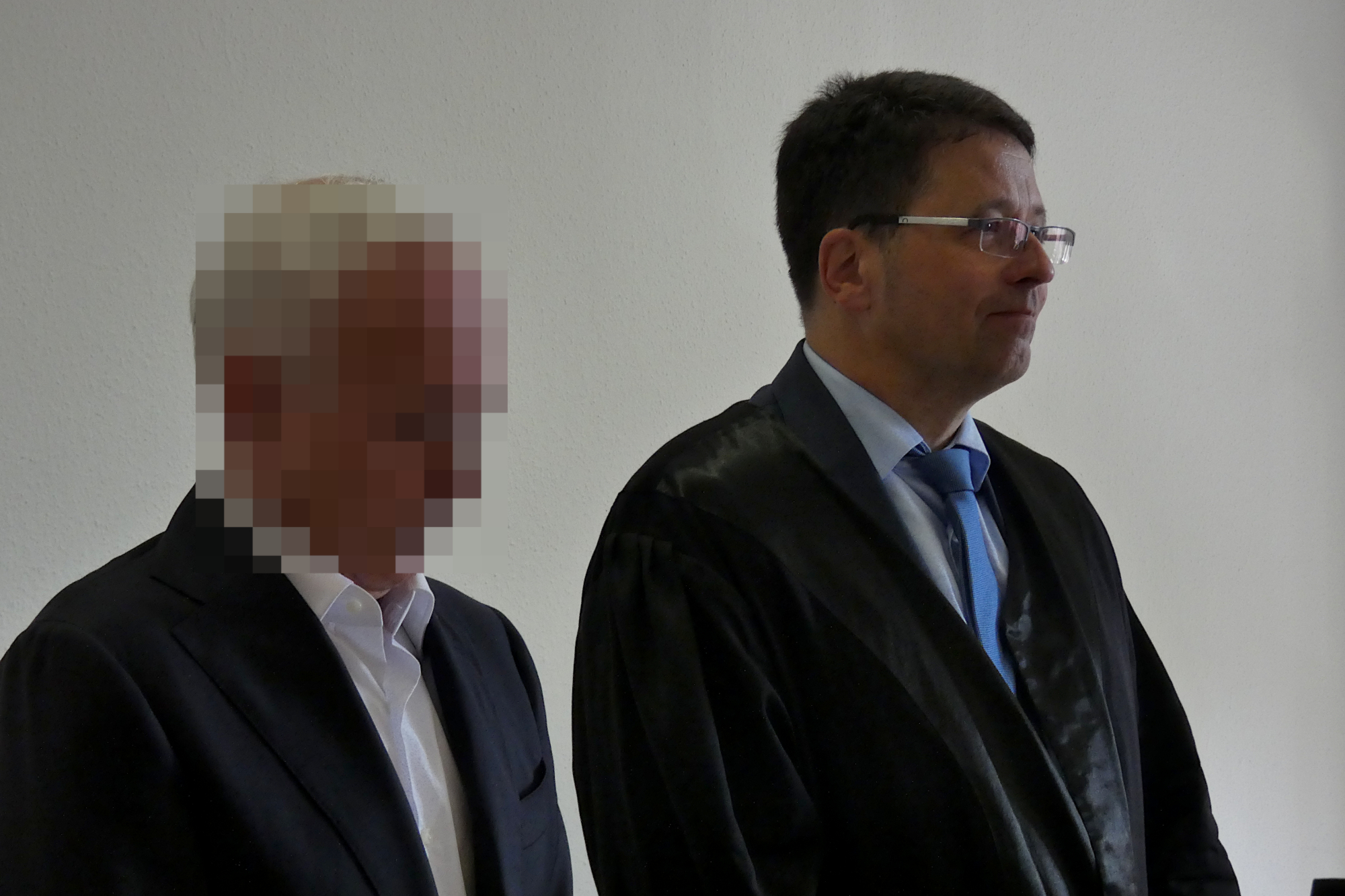
As rare as an appointment with a specialist – court days involving Gero Strauß seem to be a stroke of luck. Furthermore, defence lawyer Christian Schößling (right) no longer wishes to assist him © Lucas Böhme
Will he, or won’t he?
Leipzig’s CDU members are today making their decision on the candidate for the 2027 mayoral election. At a meeting, they will vote on whether Michael Weickert will officially stand as a candidate. The district executive committee had already nominated the 36-year-old as a candidate on 2 June 2026 and recommended him to the members for election. Weickert has been a member of Leipzig City Council since 2014 and has led the CDU parliamentary group since 2023. The mayoral election will take place on 21 February 2027.
As the incumbent, Burkhard Jung, is not standing for re-election after three terms in office, the race is considered more wide open than it has been for a long time. In the run-up to the election, names such as Torsten Bonew, Jens Lehmann and Sebastian Gemkow had also been mentioned as possible candidates.
In theory, further candidates could still be put forward at the general meeting. However, insiders do not expect a surprise of the sort that recently occurred at the FDP’s federal party conference.
Should Weickert be nominated, the CDU would launch its election campaign with its parliamentary group leader. Our reporter Thomas Köhler will report on the vote tomorrow.
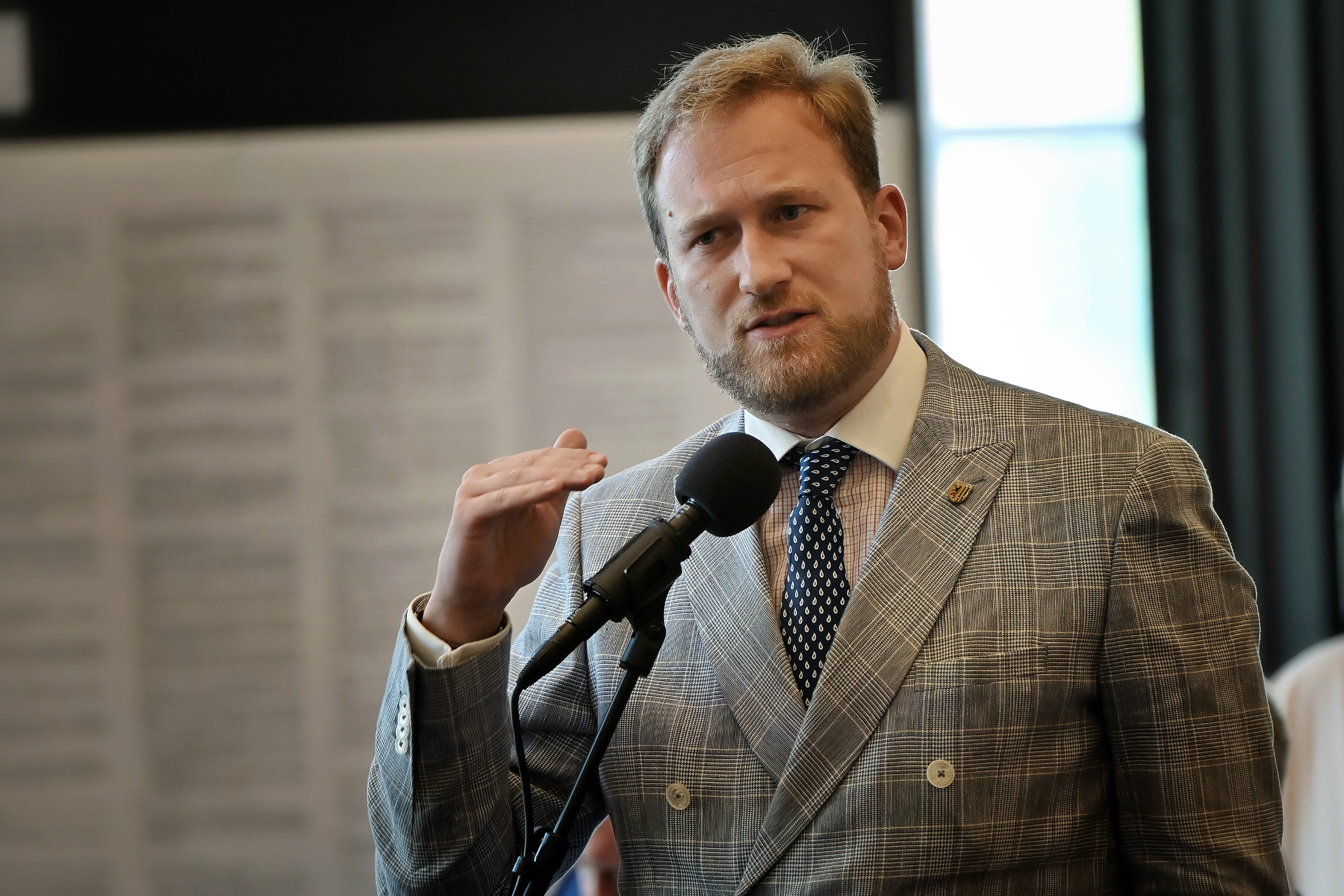
Aims to break the tradition of SPD mayors. The Leipzig CDU leadership sees Michael Weickert as a promising candidate for the mayoral election. Photo: Benjamin Weinkauf
Who will win it and who won’t
Unlike traditional architecture prizes, the Saxon State Prize for Building Culture does not focus solely on the design quality of a building. Aspects such as sustainability, social benefit, urban planning impact and the interaction between clients, planners and users are also assessed. The prize thus honours projects that go beyond good architecture to provide exemplary responses to current challenges in construction.
This year’s State Prize for Building Culture is being awarded today in Dresden under the motto ‘BUILDING AT THE INTERSECTION OF HIGH-TECH AND LOW-TECH’. It comes with a prize of 50,000 euros. A total of 34 projects were submitted. In the past, there have been two winners from Leipzig.
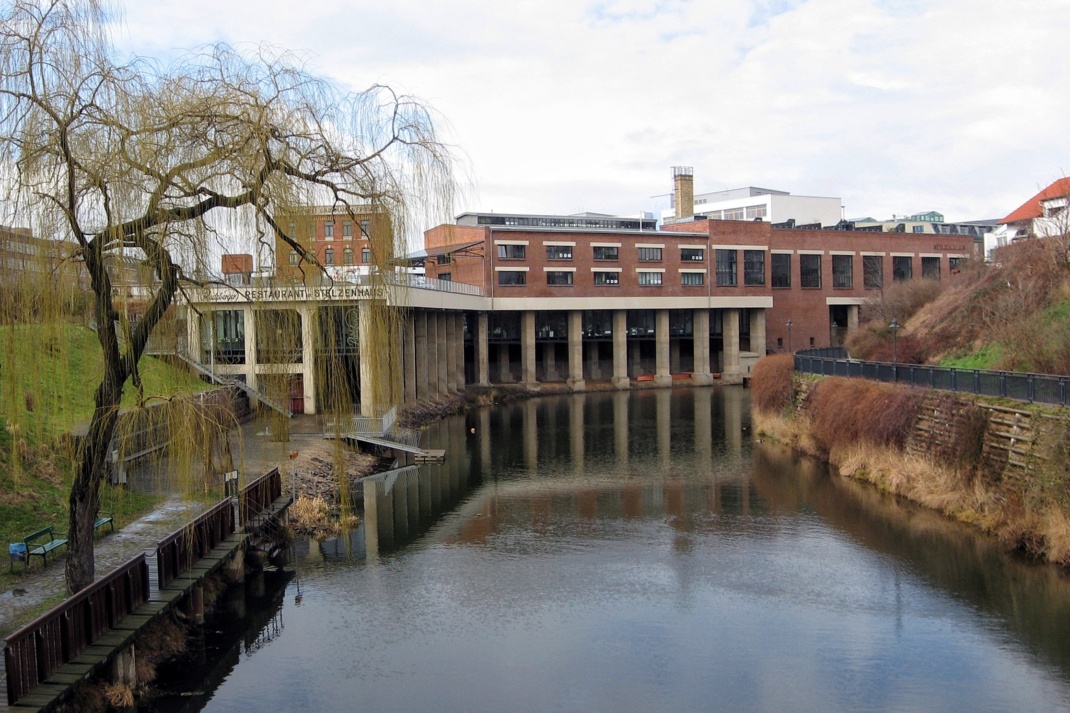
One such example was the Stelzenhaus in Plagwitz in 2004. The building, erected on stilts above the waters of the Karl-Heine Canal, is regarded as an early symbol of the transformation of former industrial and brownfield sites following reunification, and combined experimental architecture with urban development.
In 2019, the Holzhaus Leipzig-Lindenau received the State Prize. Designed by the Leipzig-based firm ASUNA for a building cooperative, the project combines residential and commercial use in an urban timber structure and particularly impressed the jury with its sustainability, flexible uses and the use of renewable raw materials. In addition, seven further projects from Leipzig have received honours in recent years or reached the final stage of the competition.
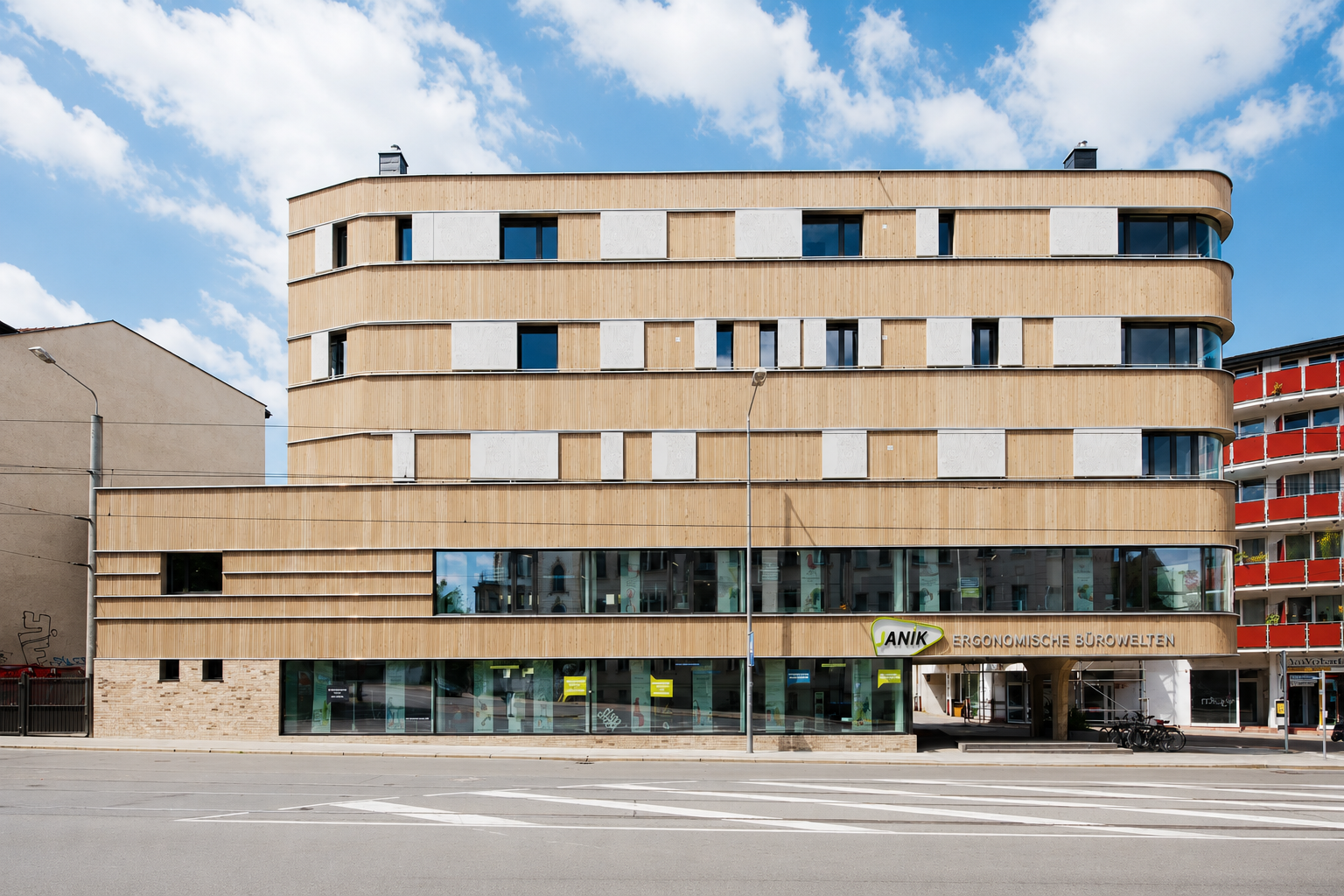
Awarded in 2019. The Holzhaus, not far from the Felsenkeller. Photo: Peter Eichler/Asuna/Saxony State Prize for Building Culture
Was it like that, or was it different?
‘Shaped. Felt. Lived’ is the title of a series of museology exhibitions opening today at the Leipzig University of Applied Sciences (HTWK). The first two exhibitions will run until 6 July 2026. The focus is on two themes that link current social debates with historical perspectives.
In the Lipsius Building (Room Li 312), the exhibition “Plastic – Perfect. Practical. Problematic” explores the material plastic and its significance in everyday life. The exhibition is designed as a walk-through residential installation and addresses issues of consumption and environmental impact. According to the Federal Environment Agency, 5.91 million tonnes of plastic waste were generated in Germany in 2023.
In the HTWK Library, the exhibition ‘(In)visible – Queer History of the Last 100 Years’ explores aspects of queer life and queer memory culture. Topics covered include venues in Berlin’s gay scene of the 1920s, forms of state repression, and the significance of secret codes and personal ads, including examples from the GDR.
It examines the differences between the two German states. The so-called ‘gay paragraph’, Section 175, was abolished in the East in 1968, whilst the provision remained in force in the Federal Republic until 1994.
The exhibitions form part of a practical project undertaken by fourth-semester museology students. The students are responsible for every stage of the process, from developing the theme, through researching artefacts and drafting texts, to the design and implementation of the exhibitions. The Museology degree programme at HTWK focuses on the documentation, research and communication of cultural and everyday history.
With this new exhibition series, the university is now making this work accessible to a wider public. The opening event begins today at 1 pm on the campus on Gustav-Freytag-Straße, between the Media Centre and the HTWK Library. Guided tours will be offered afterwards. Admission is free.

Cover image for the exhibition “Plastic – Perfect. Practical. Problematic.” (Graphic: Museology)
Licence notice: The cover image of the Stelzenhaus is by Lumu and is licensed for use on Wikimedia. It has been cropped slightly for use on this page, whilst retaining the original meaning.
Empfohlen auf LZ


So können Sie die Berichterstattung der Leipziger Zeitung unterstützen:



There is one comment